In 1960 the Aral Sea, on the border of Kazakhstan and Uzbekistan, was the fourth-largest lake on Earth. Then the Soviet Union diverted the two rivers that fed it to grow cotton in the desert. With its supply cut off, the lake started to evaporate.
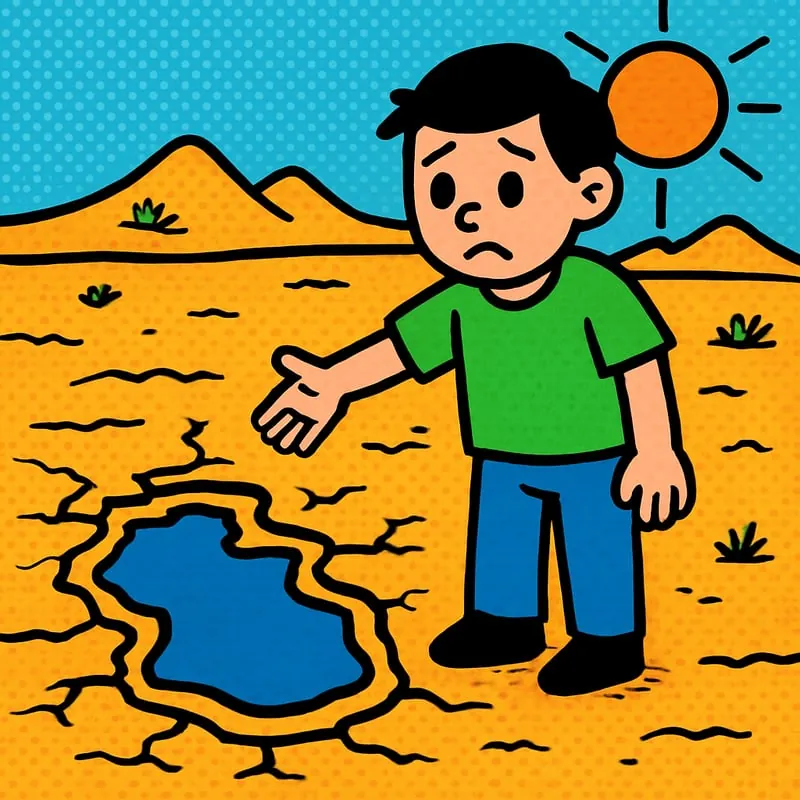
By the year 2000 the Aral had lost most of its water. Fishing villages built along the old shoreline now look out across barren salt flats stretching dozens of kilometres. Old fishing trawlers, abandoned where they were once anchored, sit rusting in dry sand. The exposed seabed is also dusty and full of pesticides, which the wind picks up and dumps on nearby towns.
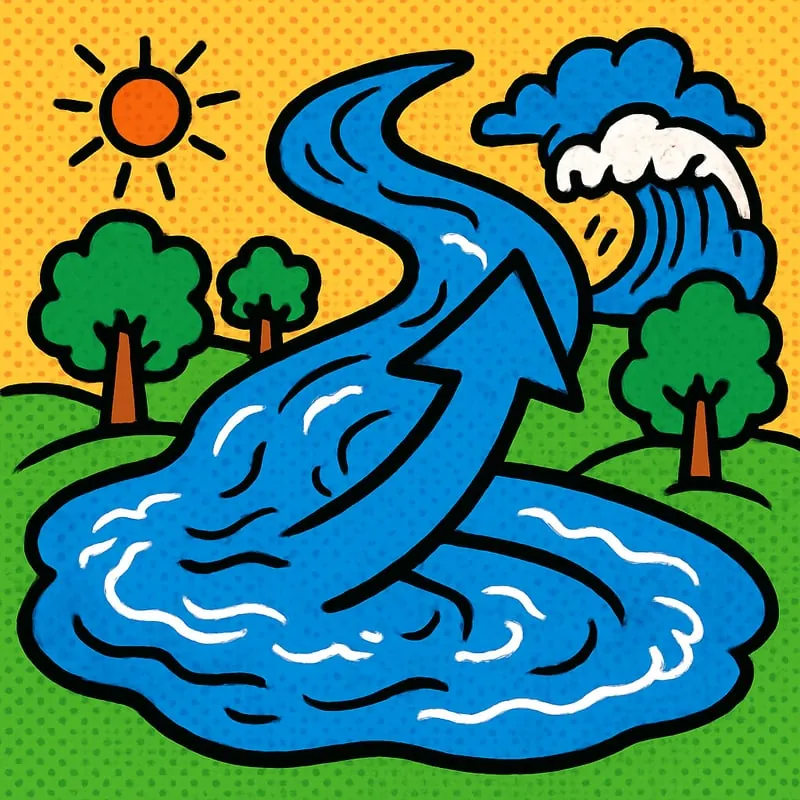
In 2005 Kazakhstan built the Kok-Aral Dam to trap water flowing in from the Syr Darya river. The North Aral has been slowly refilling ever since. By the end of 2025 it held about 42% more water than it did just a few years earlier, and more than 20 fish species are back. The southern stretch is still desert - but a second dam-raising project is planned to push the rescue further in the late 2020s.