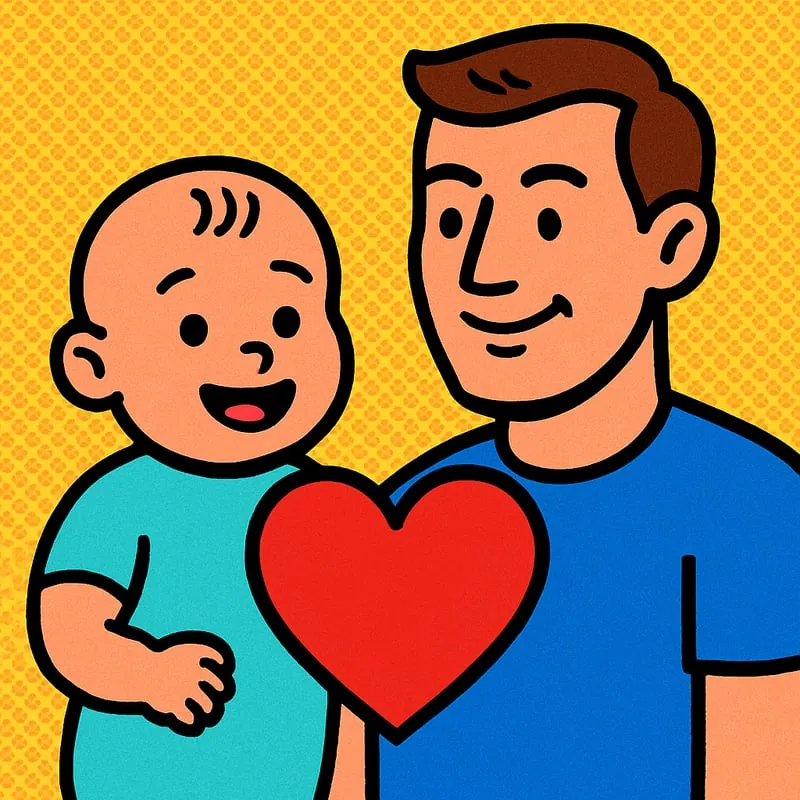
The pace of your heart changes dramatically over your lifetime. A newborn baby’s resting heart rate is around 120-140 beats per minute - almost twice the rate of a healthy adult. As children grow, their heart rates slow down. By age 6 or so, kids are at about 80-120 bpm. By the teenage years and into adulthood, the rate settles to a typical resting heart rate of 60-80 bpm.
Why so different? Smaller bodies need more heartbeats to circulate enough blood. A baby’s heart is tiny, so each beat pumps less. To deliver enough oxygen and food to all the rapidly-growing tissues, the heart has to beat faster. As people grow up, their hearts get bigger and stronger, each beat pumps more blood, and the rate naturally drops.
Athletes can lower their resting heart rate even further. Long-distance runners and cyclists often have rates of 40-50 bpm. The cyclist Miguel Indurain famously had a resting heart rate of just 28 bpm - his heart was so efficient that it didn’t need to beat much at rest. The opposite extreme: hummingbirds have heart rates over 1,200 bpm. Pace of life, literally.