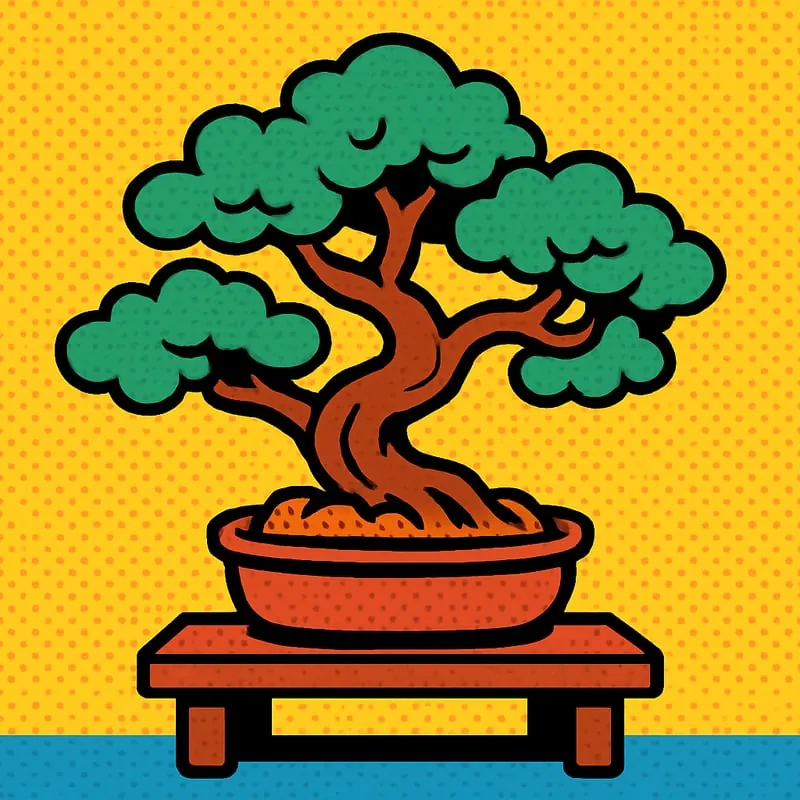
A bonsai is a normal tree species - a pine, juniper, maple or fig - that’s been kept tiny on purpose. Growers use small pots, careful pruning of roots and branches, and wire wrapped around limbs to shape the tree over many decades. The DNA is identical to the giant version in a forest; only the lifestyle is different.
The oldest documented bonsai is thought to be over 1,000 years old. Many are family heirlooms, passed down for centuries from one caretaker to the next. They’re treated less like houseplants and more like living sculptures.
In 1976, Japan gave the United States a 400-year-old bonsai pine as a bicentennial gift. Decades later, the donor’s family revealed something startling - that tree had been in their backyard nursery in Hiroshima, just two miles from where the atomic bomb went off in 1945. It survived without a scratch.