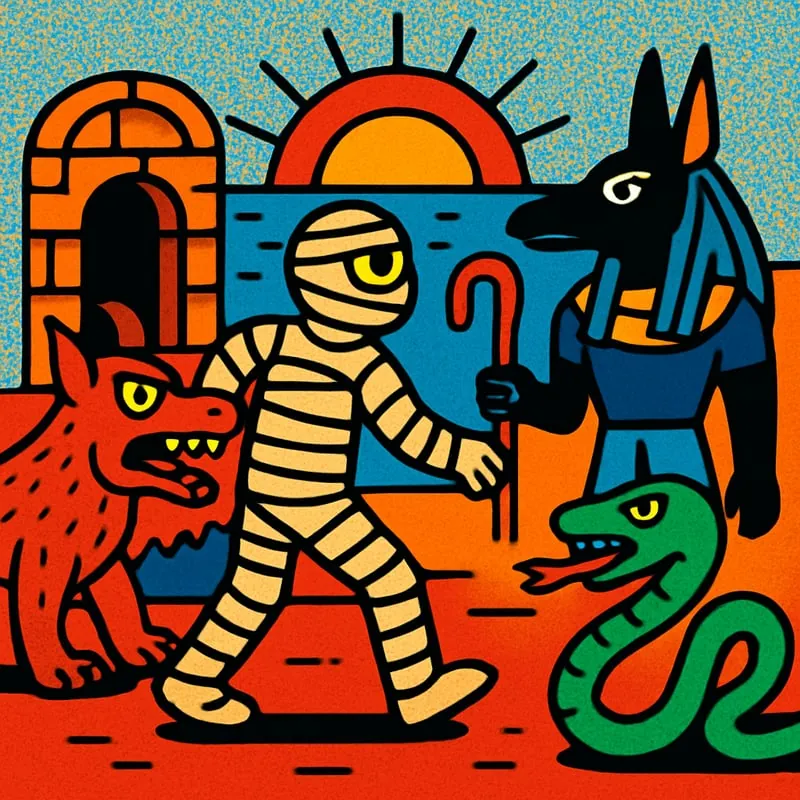
For ancient Egyptians, dying was the beginning of a very long trip. They believed that after death, the soul had to travel through the underworld, called the Duat, before reaching paradise. The journey was packed with obstacles: twelve enormous gates to pass through, each guarded by a different god or monster who had to be greeted by name.
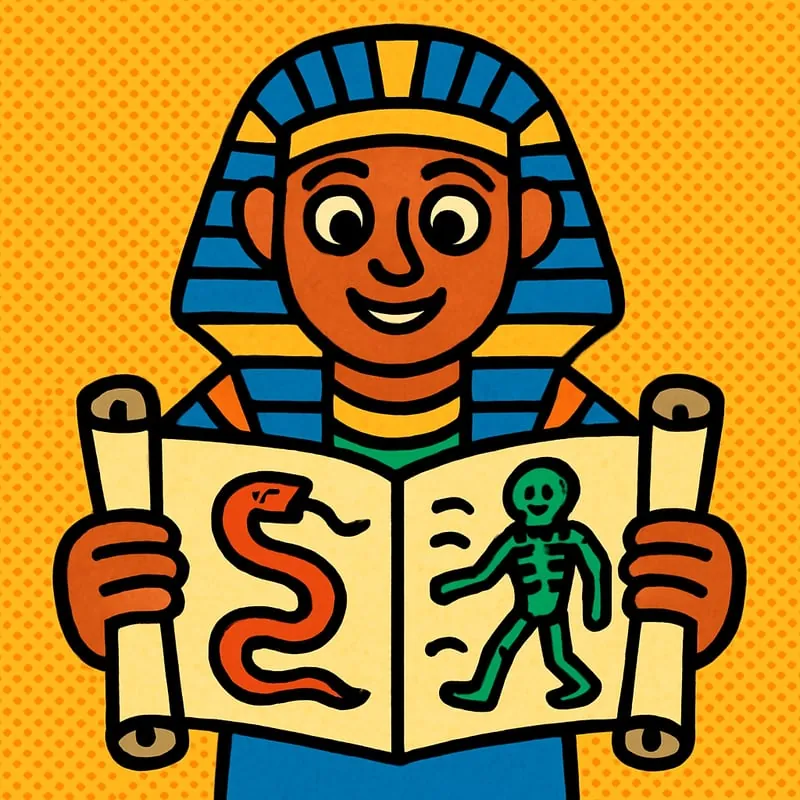
Along the way, the dead person had to recite spells from the Book of the Dead, name dozens of demons, and avoid lakes of fire. At the end of the journey was the famous Weighing of the Heart ceremony, where Anubis tested whether the person had lived a fair life.
If everything went well, the soul was rewarded with eternal life in the Field of Reeds. According to Egyptian myth, this was a perfect copy of Egypt itself, with the best farmland, the best fishing in the Nile, and no illness or hard work. People who failed any test simply ceased to exist, which the Egyptians considered worse than any punishment.