Kiwifruit don’t come from New Zealand at all - they come from China, where they grew wild for thousands of years before farmers started planting them. The Chinese name means “macaque peach” because monkeys love them. The first seeds were brought to New Zealand in 1904 and the fruit was nicknamed the “Chinese gooseberry.”
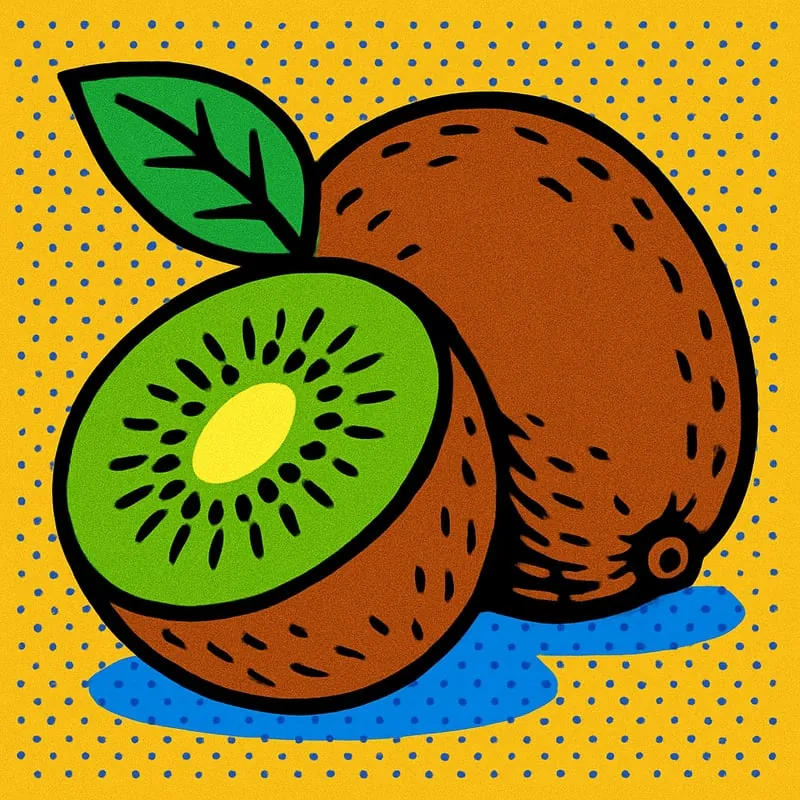
In 1959, New Zealand growers wanted to sell their fruit to America. But “Chinese gooseberry” sounded foreign, and gooseberries had a higher import tax. So the growers renamed the fruit “kiwifruit” after New Zealand’s famous flightless brown bird, which the fuzzy fruit kind of looks like.
The new name worked. Sales took off and the kiwifruit became a worldwide hit. Today they’re grown across New Zealand, Italy, China, Chile, and Greece. A single kiwifruit also packs more vitamin C than an entire orange and more potassium than a banana, all wrapped in a fuzzy little package.