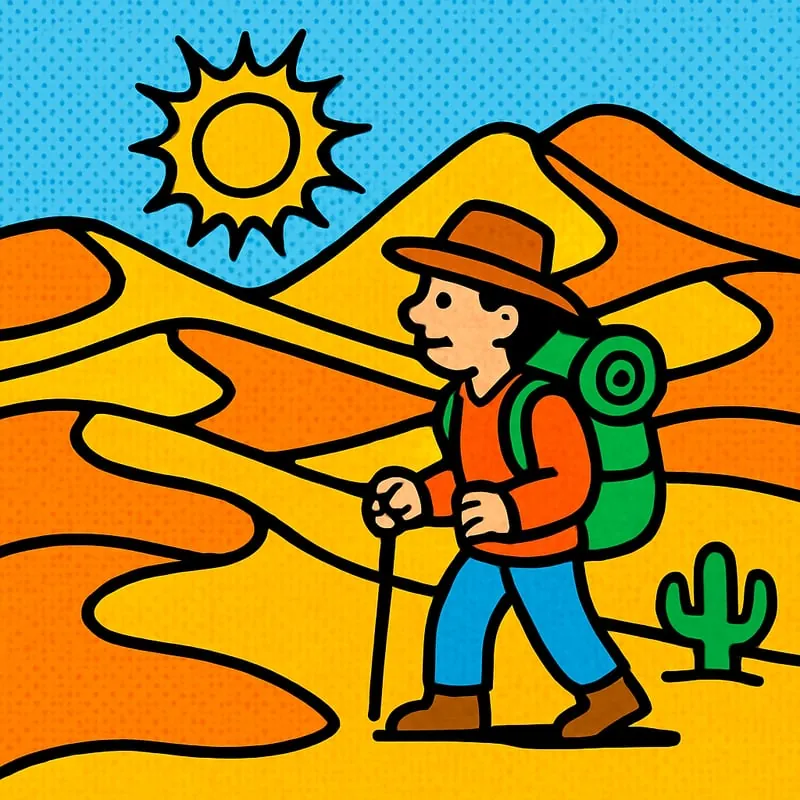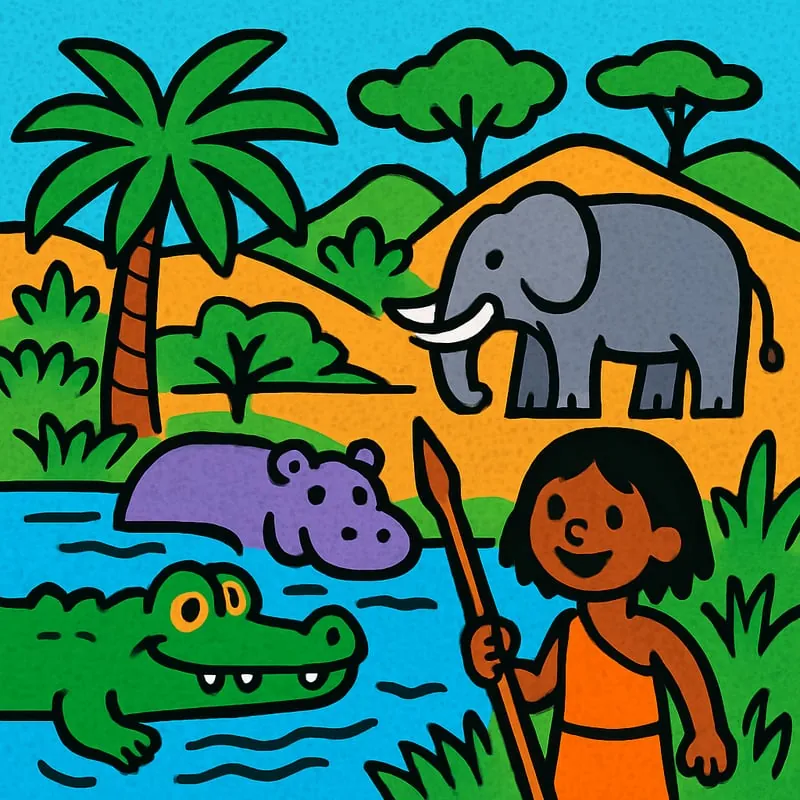
The Sahara today is the biggest hot desert on Earth - mostly sand, sun, and silence. But if you climbed in a time machine and got out about 6,000 years ago, you wouldn’t recognize the place. Grass swept across the dunes, rivers cut through what is now bone-dry rock, and huge lakes glittered where the sand is now hundreds of feet deep. Hippos splashed in the water. Elephants and giraffes walked the savannah. People fished, herded cattle, and painted scenes of their lives on cave walls.
This wet, green Sahara is called the African Humid Period. It started around 11,000 years ago and lasted thousands of years. Scientists know it happened because cattle bones, fish skeletons, and pollen from leafy plants keep turning up under the sand. Satellite images even show fossil river channels, completely buried, snaking across the desert.
Then, around 5,000 years ago, things flipped. A slow wobble in Earth’s orbit shifted the African monsoon south, the rains failed, and the green Sahara dried out within a few hundred years. The cycle is expected to repeat - in roughly 15,000 years, the Sahara will probably go green all over again.