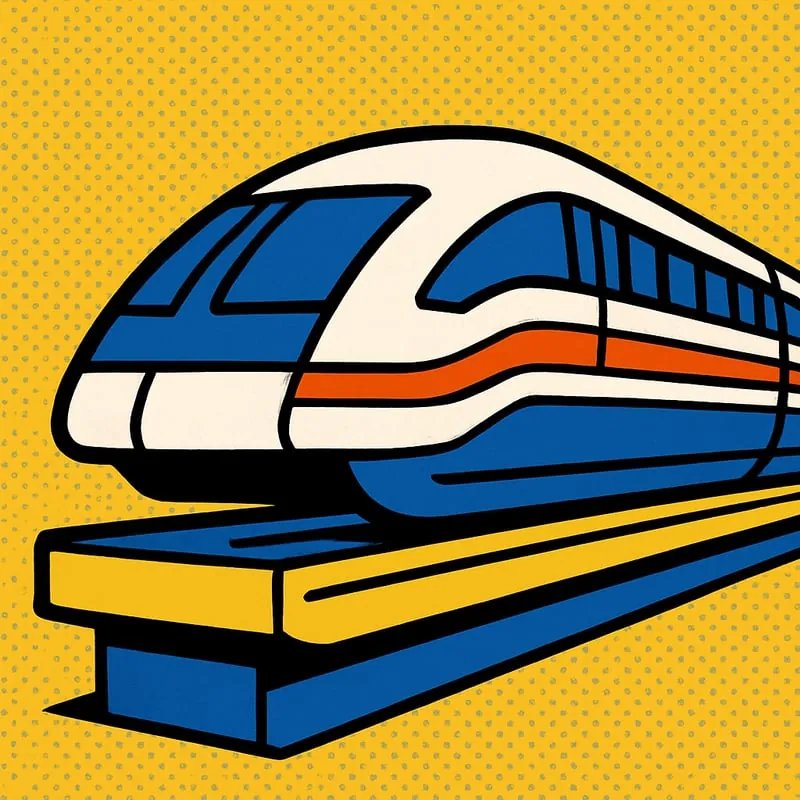
When you ride a normal train, you hear the rhythmic clack of wheels on rails. When you ride the Shanghai maglev you hear almost nothing at all. That’s because no part of the train ever touches the track. It floats about a centimeter above it, held up by powerful magnets, while more magnets push it forward.
This means there is hardly any friction. With nothing rubbing or grinding, the train can reach 268 mph (431 km/h). That’s faster than most propeller planes. The 19-mile ride from Pudong Airport to downtown Shanghai takes only seven and a half minutes.
Experimental maglevs in Japan have gone even faster - over 375 mph in tests - but the Shanghai train is the fastest one normal people can ride every day. Inside, the speed is so smooth you barely notice it until you spot something through the window and realize it’s already a tiny dot behind you.