Most cells in your body are specialists. A heart cell can only ever be a heart cell. A liver cell can only ever be a liver cell. They have specific shapes, jobs, and abilities, and they can’t switch to anything else.
Stem cells are different. They’re undifferentiated, meaning they haven’t picked a job yet. Given the right signals, a stem cell can become a heart cell, a liver cell, a nerve cell, or almost anything else. Embryonic stem cells (from the very earliest stages of development) are the most flexible. Adult stem cells exist in some tissues (like bone marrow and skin) but are more limited - bone marrow stem cells, for example, can only become blood cells.
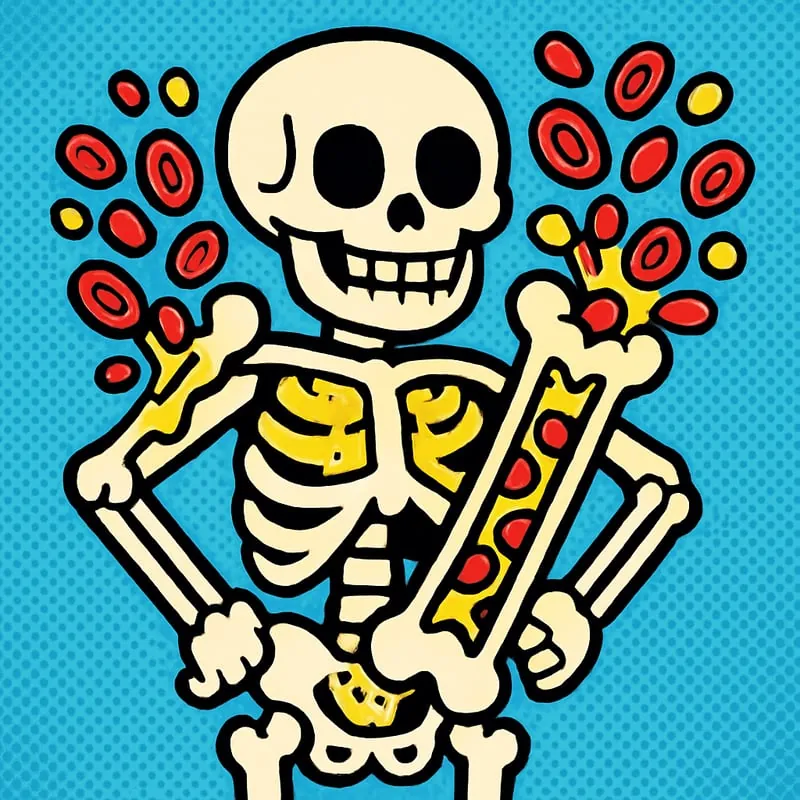
Medicine has been quietly revolutionized by stem cells over the past few decades. Bone marrow transplants are a classic example - replacing a patient’s blood-cell-making stem cells with healthy ones. Scientists are now learning to take a person’s regular cells and “reset” them into stem cells (called induced pluripotent stem cells), then grow them into whatever tissues are needed. The possibilities are huge: grown-to-order organs, custom tissue repair, even fixing diseases at the cellular level.