A tsunami is unlike a normal ocean wave. Regular waves are made by wind ruffling the surface of the water - they’re an upper-layer thing. A tsunami is a sudden displacement of the entire water column, usually caused by an underwater earthquake, landslide, or volcanic eruption.
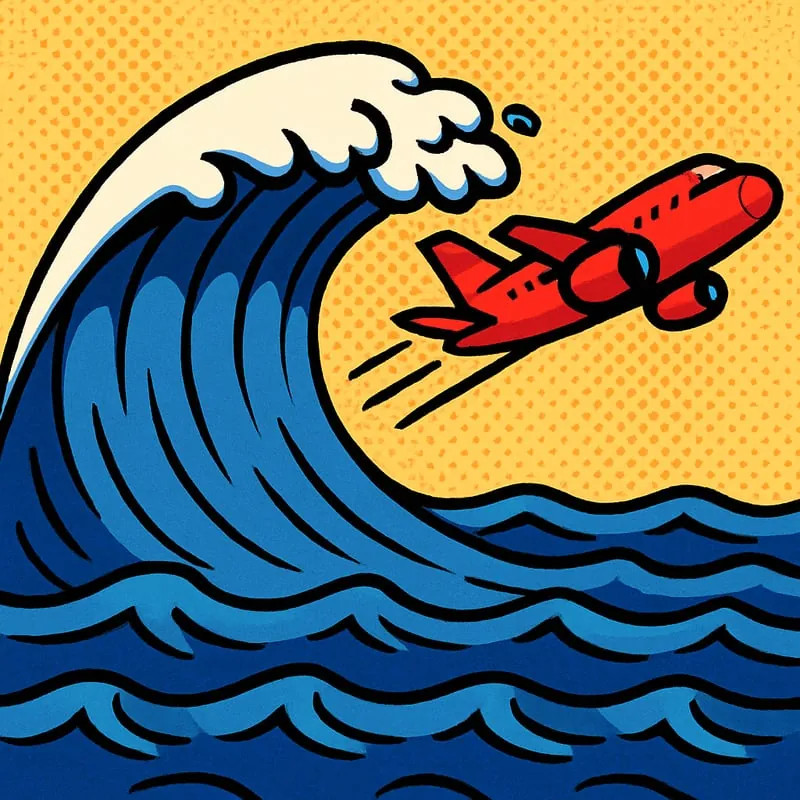
In deep open ocean, a tsunami doesn’t look like much. It’s often only a few feet high - almost invisible from a ship passing through. But it’s moving incredibly fast: up to 500 miles per hour, roughly the speed of a passenger jet. From a quake off Japan to the U.S. west coast in less than a day.
When the tsunami enters shallow coastal water, things change dramatically. The bottom of the wave slows down while the top keeps pushing forward. The water piles up, and the wave grows taller - sometimes 30, 60, even 100 feet tall by the time it crashes ashore. The strongest warning sign is that the sea often sucks back from the shore first, before the wave arrives.