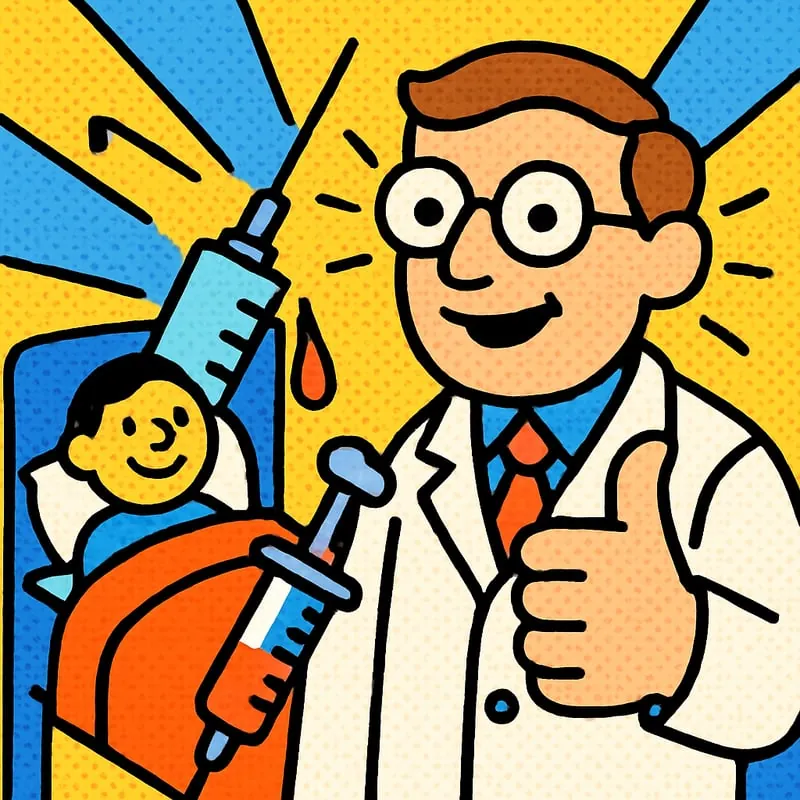
Just before midnight on September 11, 1922, a doctor named Frederick Banting walked into a room at Toronto General Hospital and gave a frail patient a small injection of a brand-new medicine called insulin. The patient was a 14-year-old boy named Leonard Thompson, and he weighed only 65 pounds because his body could no longer use sugar properly. Within days of starting on a steady dose of insulin, Leonard was sitting up, smiling, and eating like a teenager again. He went on to live for 13 more years.
Before insulin, type 1 diabetes was an almost certain death sentence, especially for children. Doctors could only offer a starvation diet to slow it down, which was heartbreaking. Banting, a young Canadian surgeon, became obsessed with the idea that something in the pancreas could control blood sugar. With a student named Charles Best, a chemist named James Collip, and a lab from Professor John Macleod, he managed to extract that mystery substance from cow pancreases and purify it enough to inject into people. Within months, hospitals around the world were ordering insulin, and kids who had been days from dying were running around playgrounds.
Banting won the Nobel Prize for his discovery in 1923 and immediately split his prize money with Best, who hadn't been included. He sold the patent for insulin for just one dollar, saying it was unfair to profit from saving lives. Today more than 500 million people around the world live with diabetes, and almost all of them depend on insulin that traces its history back to that one chilly Toronto night.