On June 7, 1769, a tall, soft-spoken hunter named Daniel Boone climbed a wooded ridge in what is now eastern Kentucky and stopped dead in his tracks. Spread out below him were rolling green hills, herds of buffalo, and a river valley bigger than anything he had ever seen. He had spent days squeezing through a narrow notch in the mountains called the Cumberland Gap, following a path used by Shawnee and Cherokee hunters for centuries. Now he was looking at land that few colonists had ever laid eyes on.
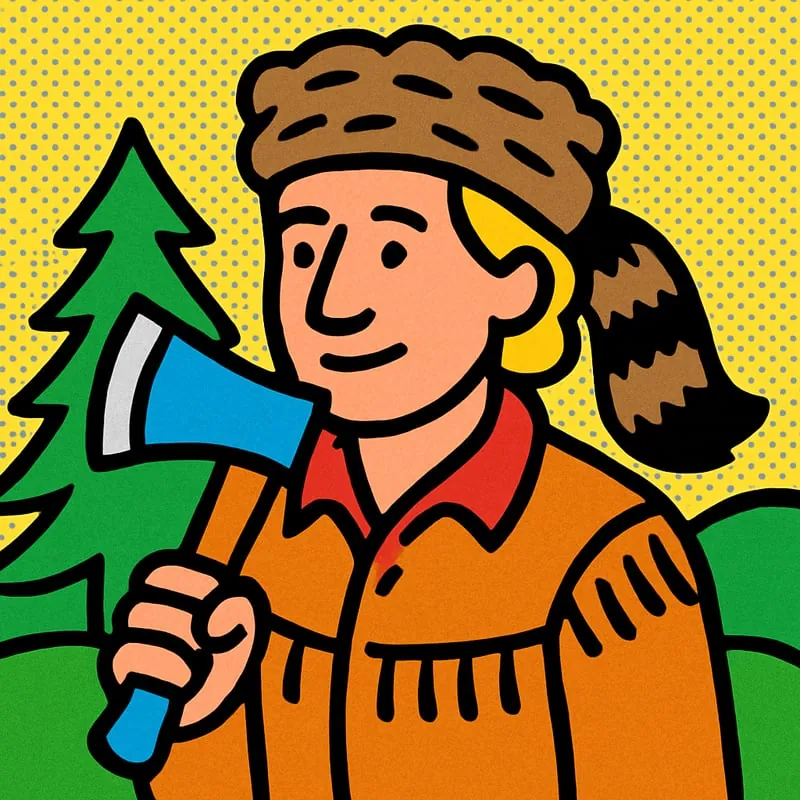
Boone was 34, born to a Quaker family in Pennsylvania, and had been hunting and trapping since boyhood. He stayed in Kentucky for two whole years on this trip, sleeping under the stars, dodging hunting parties, and once getting captured and then escaping. When he finally walked back to North Carolina, his stories spread like wildfire. Six years later, he led a team of thirty axe-men to carve a trail called the Wilderness Road through the same mountains. In 1775, he founded the wooden fort of Boonesborough on the banks of the Kentucky River. Thousands of pioneer families followed his path, and within twenty years Kentucky was a state.
Boone became a legend in his own lifetime. Books, plays, and tall tales turned him into a buckskinned superhero who never missed a shot. The real Boone was quieter - a man who loved the woods more than crowds and was actually a careful friend of many Native leaders. Today the Daniel Boone National Forest covers more than 700,000 acres of the Kentucky hills he first wandered into on that summer day.