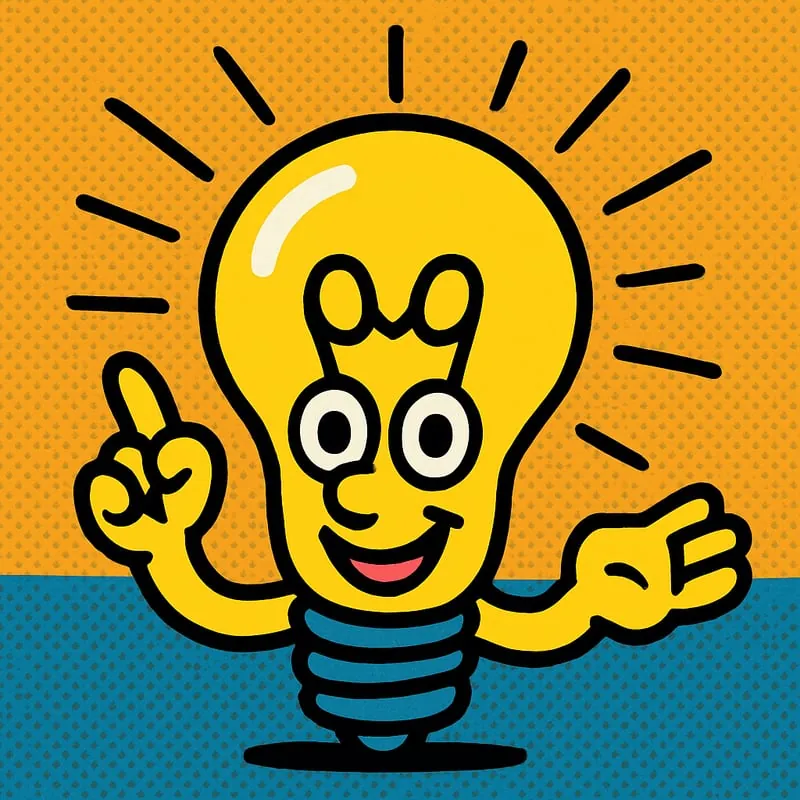
On New Year's Eve, December 31, 1879, more than 3,000 curious visitors poured into the tiny New Jersey village of Menlo Park, arriving by special trains laid on by the railroad. They wanted to see something Thomas Edison had been promising for over a year - a building lit not by gas or candles, but by electric light bulbs that anyone could use. As darkness fell, Edison threw the switch. Forty glowing glass bulbs lit up his laboratory and the surrounding streets with a steady, golden glow. The crowd gasped.
Edison had been racing for months. Other inventors had created electric arc lamps that were too bright and too harsh for indoor use. Edison wanted something soft, safe, and cheap. His team of "muckers," as he called his workers, tested more than 6,000 different materials looking for a filament that would glow without burning up too quickly. They tried bamboo, fishing line, beard hair, and finally carbonized cotton thread. On October 22, 1879, one of those bulbs glowed for 13 hours straight. They had it.
The New Year's Eve demonstration convinced investors, newspapers, and the public that the electric age was real. Within three years, Edison had built the world's first power station on Pearl Street in lower Manhattan, lighting 85 customers. Within 20 years, electric light bulbs were spreading across the globe, replacing dangerous gas lamps and candles. Edison eventually held 1,093 patents for inventions including the phonograph, the movie camera, and the alkaline battery. But the humble light bulb is what truly changed the world, turning night into day in every home, school, and hospital on the planet.