On 25 January 1924, in the snowy little French town of Chamonix at the foot of Mont Blanc, the very first Winter Olympics flickered to life. Around 250 athletes from 16 countries had travelled in by train and sleigh. They marched into a chilly outdoor stadium carrying their nations' flags, surrounded by piles of fresh snow. A French speed skater named Camille Mandrillon recited the Olympic oath. Cannons fired. Crowds in heavy fur coats cheered through their misty breath.
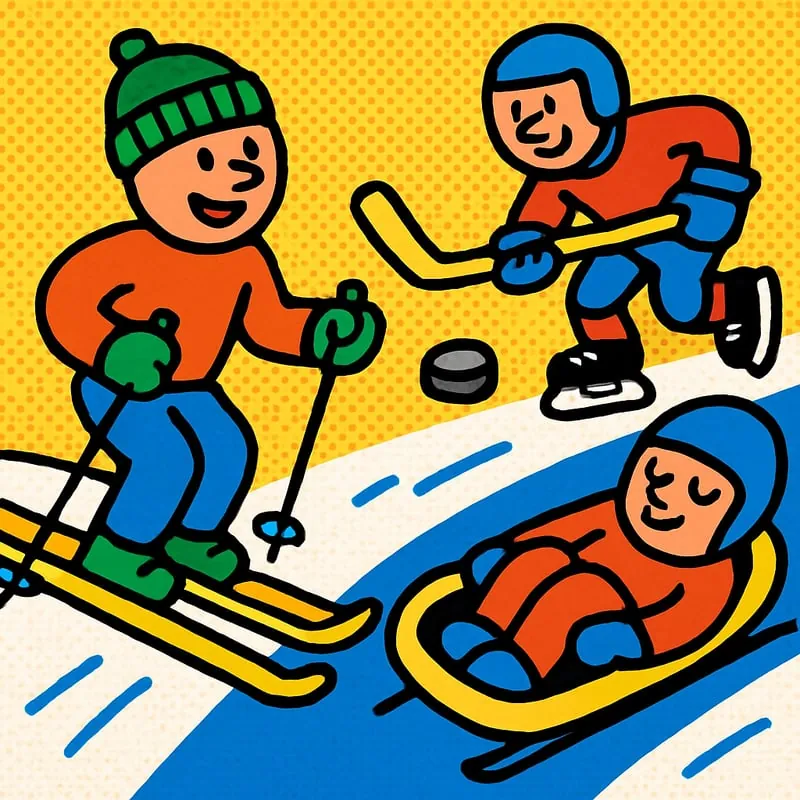
This was a brand-new idea. The Summer Olympics had been running since 1896, but snow and ice sports had been ignored. Then officials agreed to hold an 'International Winter Sports Week.' Athletes raced in only 16 events - speed skating, figure skating, ski jumping, ice hockey, cross-country skiing, bobsled, and a wild sport called military patrol that was a mix of skiing and rifle shooting. A young Norwegian figure skater named Sonja Henie competed at just 11 years old. She finished last but went on to win three Olympic golds in later years.
The Games were such a hit that the International Olympic Committee officially renamed them the First Olympic Winter Games. They have been held every four years ever since, growing from 16 events to nearly 110, and from 16 countries to over 90. Athletes now whoosh down icy bobsled tracks at 90 miles per hour and somersault through the air on snowboards. But every twirling figure skater and goggled ski jumper still owes a tip of the wool hat to a small French town in 1924.