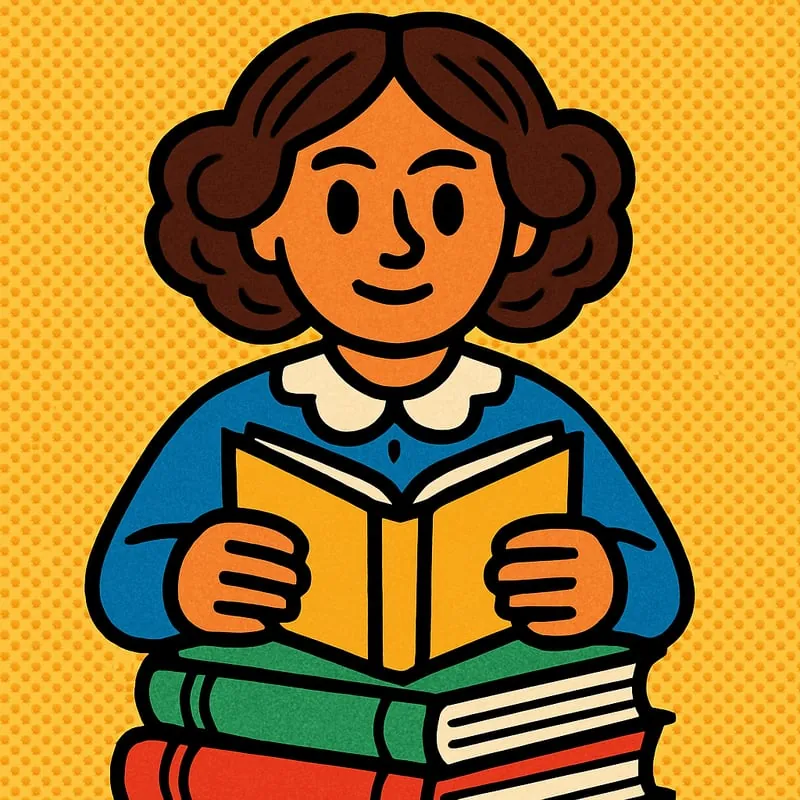
On November 29, 1832, in Germantown, Pennsylvania, a baby girl named Louisa May Alcott was born to a famously poor but famously bookish family. Her father, Bronson Alcott, was a school teacher and philosopher with grand ideas and very little money. The family bounced from house to house, often moving when the rent ran out. To help feed her parents and three sisters, Louisa worked as a teacher, a seamstress, and even a maid. She also scribbled stories late at night by candlelight, selling spooky thrillers under fake names to earn extra cash.
In 1868, a publisher asked her to write a book for girls. Louisa wasn't excited - she said she didn't really like girls or know many besides her own sisters. But she sat down anyway and based the story on her own family. The book was called Little Women, and it followed the four March sisters - quiet Meg, fiery Jo, gentle Beth, and artistic Amy - as they helped their mother through a hard winter while their father served in the Civil War. Jo, the tomboy writer who refused to act like a proper young lady, was basically Louisa herself.
Little Women was a sudden, huge hit. Readers begged for more, and Louisa wrote sequels following the sisters into adulthood. Suddenly the once-broke Alcott family had a steady income, and Louisa used the money to support her parents and sisters for the rest of their lives. She also marched for women's rights and was one of the first women in her town to vote in a local election. More than 150 years later, Little Women has been turned into movies, plays, and TV shows around the world, and Jo March still inspires kids to grab a pencil and write.