On November 17, 1869, a long line of ships entered a brand-new ditch slashed straight through the Egyptian desert. The Suez Canal had finally opened, and it was a jaw-dropping shortcut: 120 miles of water joining the Mediterranean Sea in the north to the Red Sea in the south. Before the canal, a ship going from Europe to India had to sail all the way down around the tip of Africa - a voyage of thousands of extra miles. Now, sailors could chop nearly half the journey off the map.
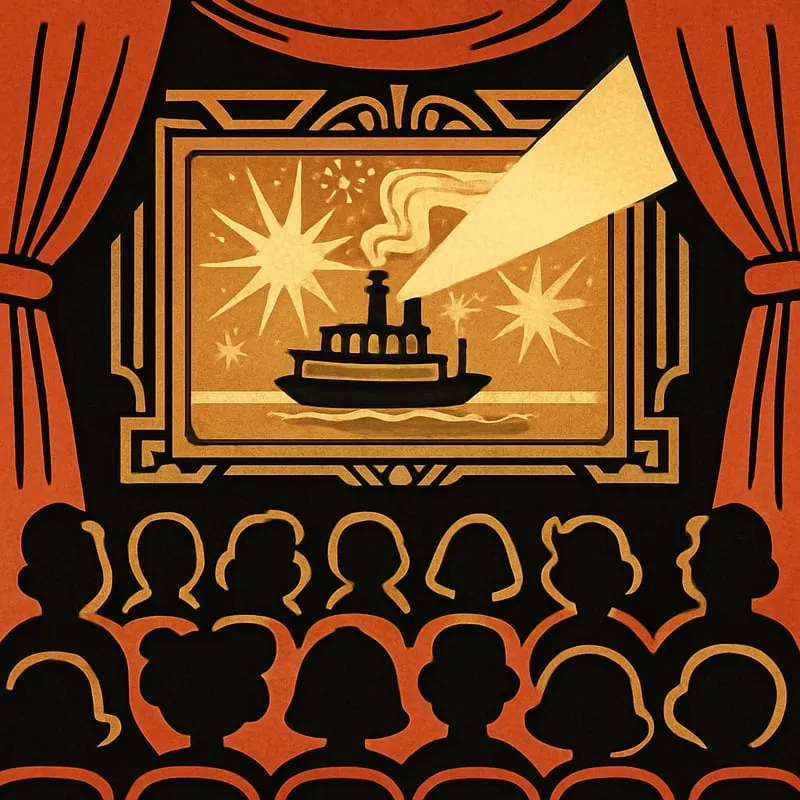
Building it was an enormous undertaking. A French engineer named Ferdinand de Lesseps had pushed the project forward, and for ten years about 1.5 million workers, mostly Egyptian laborers, had dug through sand and rock. Early crews used hand shovels and baskets carried by camels. Later, steam-powered dredgers chugged through the dunes scooping out tons of soil. The opening ceremony was a spectacular party. The French Empress Eugenie arrived on her yacht, fireworks lit up the desert sky, and the Egyptian ruler had even ordered a new opera house in Cairo for the celebration (which led to the famous opera Aida).
The canal completely rewired global trade. Suddenly Britain could reach its colonies in Asia in weeks instead of months. Oil, food, cars, and toys still pour through Suez today - about 12 percent of all the world's shipping. In 2021 a giant container ship called the Ever Given got stuck sideways in the canal for six days, jamming up shipping worldwide and reminding everyone just how important this skinny strip of water still is. One desert shortcut, opened more than 150 years ago, still helps move much of what you eat, wear, and play with.