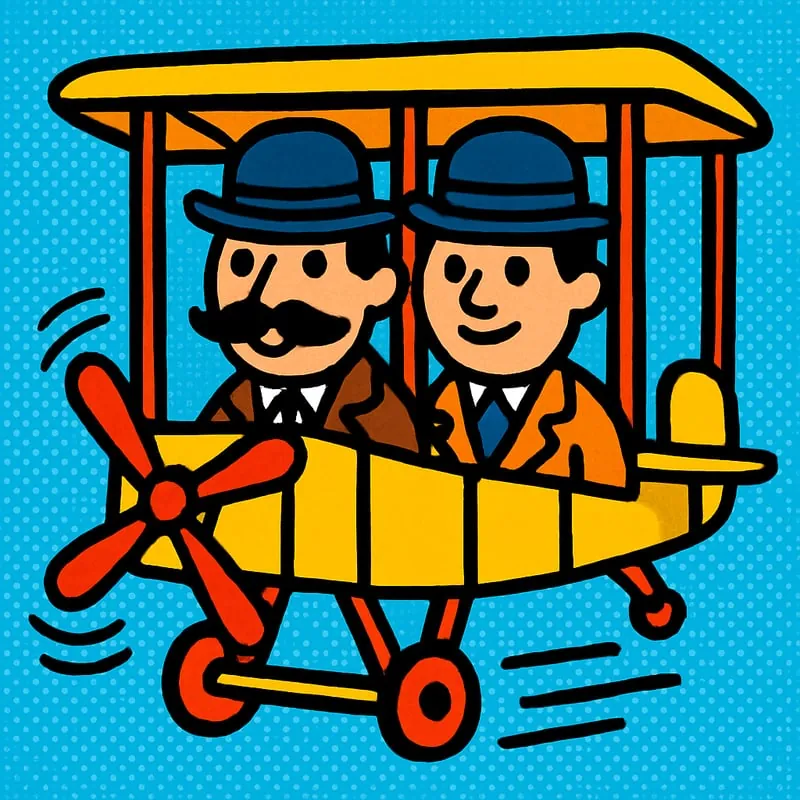
Two bicycle-shop owners from Ohio, Orville and Wilbur Wright, had spent four years studying how birds turned and gliding their homemade kites and gliders down the sand dunes of Kitty Hawk, North Carolina. They picked Kitty Hawk for its steady winds and soft landings. Most experts at the time thought powered flight was impossible. The brothers disagreed.
On the morning of December 17, 1903, the wind was strong and freezing. The brothers tossed a coin to see who would fly first. Orville won. He lay flat on the lower wing of their machine - they called it the Wright Flyer - while Wilbur ran alongside to steady the wing. The engine roared, the plane lifted, and for 12 seconds Orville flew. He covered just 120 feet - less than the length of a Boeing 747 today. But he was airborne, powered, controlled, and steered. That was the breakthrough.
They took turns trying again three more times that day. The fourth flight, with Wilbur at the controls, lasted 59 seconds and covered 852 feet. Then a gust of wind flipped the plane and damaged it beyond easy repair. They went home for Christmas.
The story almost didn't get out. Only five people watched the flight, and most newspapers either ignored the news or got it wrong. It took years for the Wright Brothers to convince the world they had really done it. Today, the original Wright Flyer hangs in the Smithsonian Air and Space Museum in Washington, D.C.