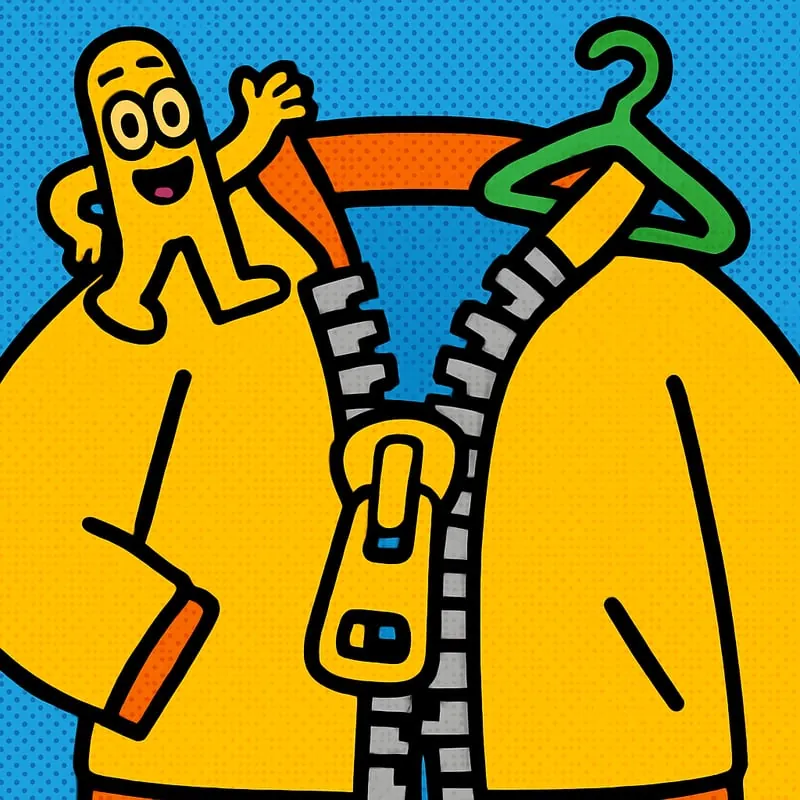
On April 29, 1913, a Swedish-American engineer named Gideon Sundback filed a patent for a device he called the 'Separable Fastener' - a row of tiny metal teeth that locked together when a slider was pulled along them. Today we just call it the zipper. Sundback had spent years tinkering, mostly working out of a factory in Hoboken, New Jersey, until he finally had a design that didn't snag, pop open, or fall apart.
The zipper had a slow start. The first big customer was the U.S. Army during World War I, which used zippers on money belts for soldiers. After the war, the B.F. Goodrich company used Sundback's invention on a new style of rubber boot and gave it the catchy name 'zipper' - because it made a 'z-z-zip' sound when you closed it. The name stuck so well that the company eventually lost the trademark. By the 1930s, zippers were appearing in children's clothes, where they were marketed as easy for kids to use by themselves.
Today around 7 billion zippers are made every year. They appear on jeans, jackets, backpacks, tents, sleeping bags, suitcases, and astronaut suits. A Japanese company called YKK makes about half of all the zippers in the world, stamping its initials on the slider of countless pants pockets. Gideon Sundback's clever row of little metal teeth turned out to be one of the most useful tiny inventions ever - every time you zip up a coat, you're using his idea.