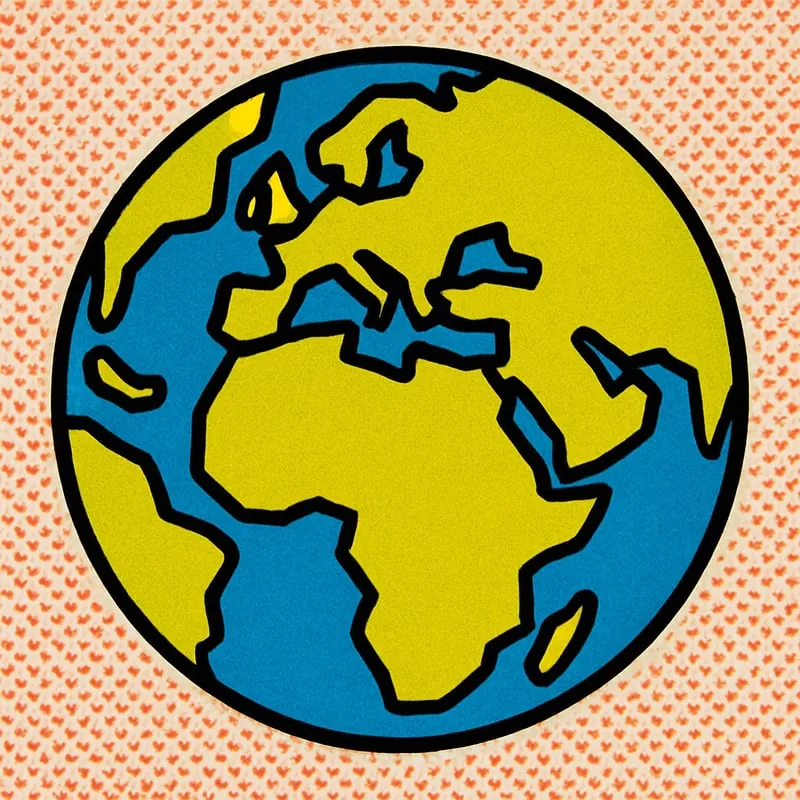
Earth’s outer shell - the crust - isn’t one solid layer. It’s broken into roughly a dozen large plates plus several small ones, all floating on a thick, slowly-flowing layer of hot rock underneath called the mantle. Heat from Earth’s core makes the mantle churn slowly, and the plates above ride the currents like ice on a slow river.
This is called plate tectonics, and it explains a huge amount of geology. Where plates pull apart (mostly under the oceans), molten rock rises up and forms new crust - that’s how the mid-ocean ridges work. Where plates collide, mountains push up - the Himalayas are growing right now because India is still slowly crashing into Asia. Where one plate dives under another, you get volcanoes, earthquakes, and trenches.
The movement is slow - about 1 inch a year, roughly the rate your fingernails grow. But over millions of years it adds up to vast changes. About 300 million years ago, all the continents were jammed together into a single supercontinent called Pangaea. They’ve been slowly drifting apart ever since. In another 250 million years, they’re expected to crash back together into a new supercontinent.