High in the Caucasus mountains of Georgia, on a wind-blasted limestone plateau, sits a hole in the ground that looks barely big enough to wriggle into. Drop a pebble in and you won’t hear it hit the bottom. That’s the entrance to Veryovkina Cave, the deepest known cave on Earth.
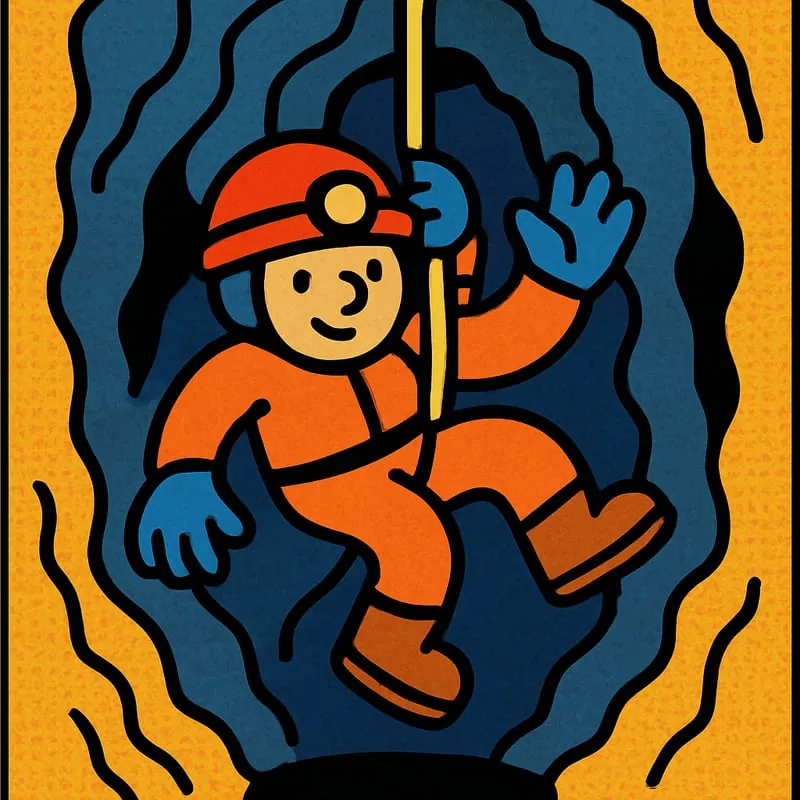
Cavers have measured Veryovkina at 2,212 metres deep - that’s deeper than seven Eiffel Towers stacked on top of each other, or about one and a half Burj Khalifas pointing straight down. To get to the bottom, an expedition rappels down a chain of vertical shafts and waterfalls for days, sleeping in tents wedged onto narrow ledges. They’ve found cave shrimp, blind scorpions, and weird pale spiders living in pitch darkness, with no idea the sky exists.
In 2018, a sudden flood at the bottom of Veryovkina nearly trapped a Russian team for good. They climbed for 36 hours straight to escape. The cave was already known to be one of the deepest in the world - that record-setting trip is what made it the deepest, beating the previous champion, Krubera Cave, just a few kilometres away.