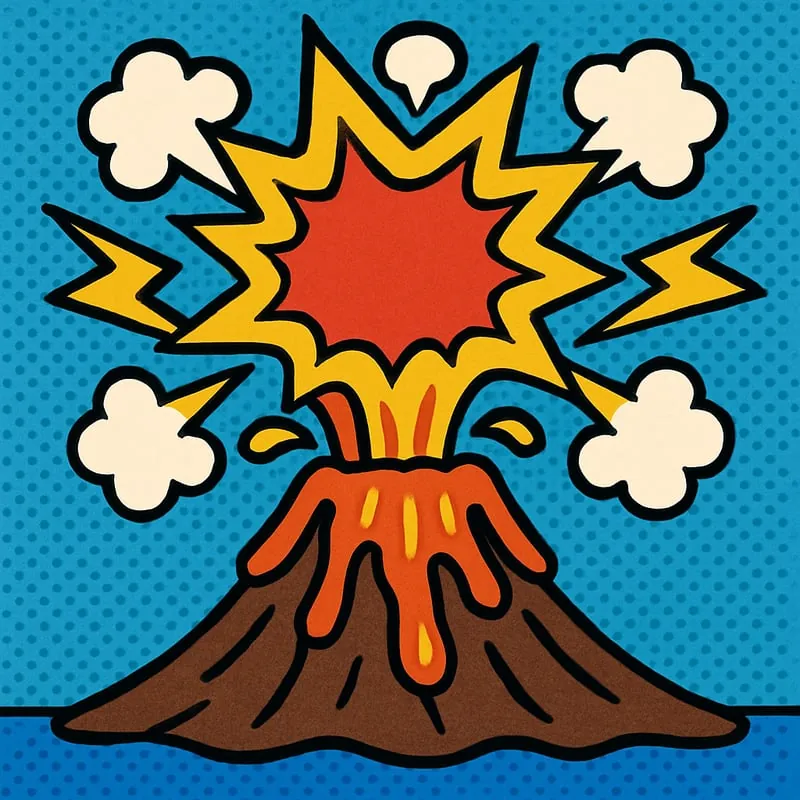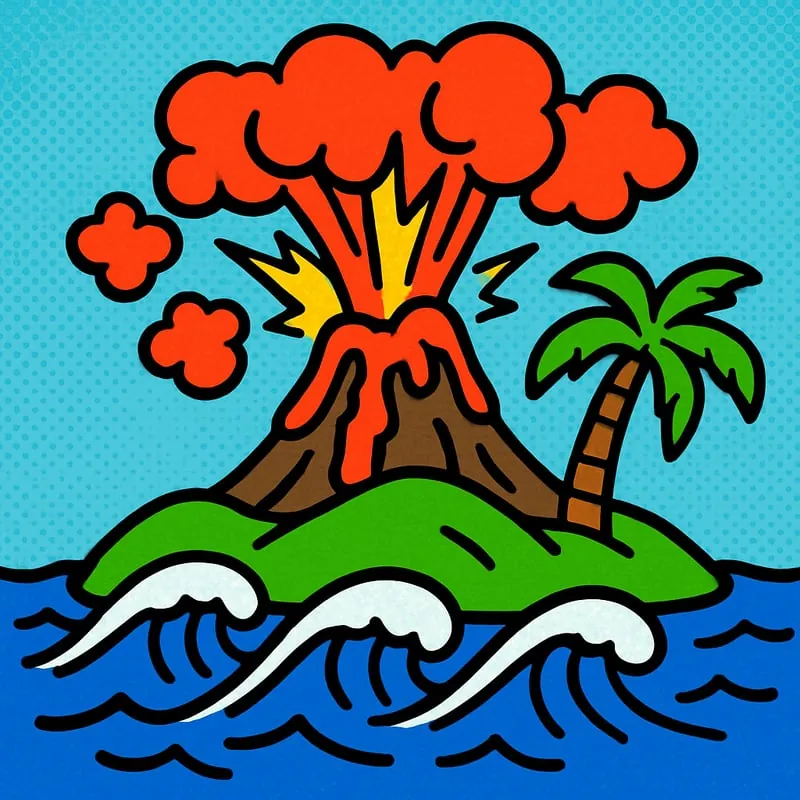
On the morning of 14 November 1963, sailors south of Iceland noticed black smoke and steam rising from the ocean. A volcano on the seafloor was erupting. Over the next few days, ash and lava piled high enough to break the surface - and a brand-new island was born.
The eruption kept going for almost four years. By the time it finished in 1967, the island, named Surtsey after the Norse fire giant Surt, covered about 2.7 square kilometres. Since then waves have been eating away at its edges, slowly shrinking it down.
Surtsey is one of the most carefully protected places on Earth. Right from the start, scientists banned all visitors except researchers, so they could watch how life arrives on bare land. Mosses, then seabirds, then bushes have all turned up in order - a living time-lapse of an ecosystem starting from zero.