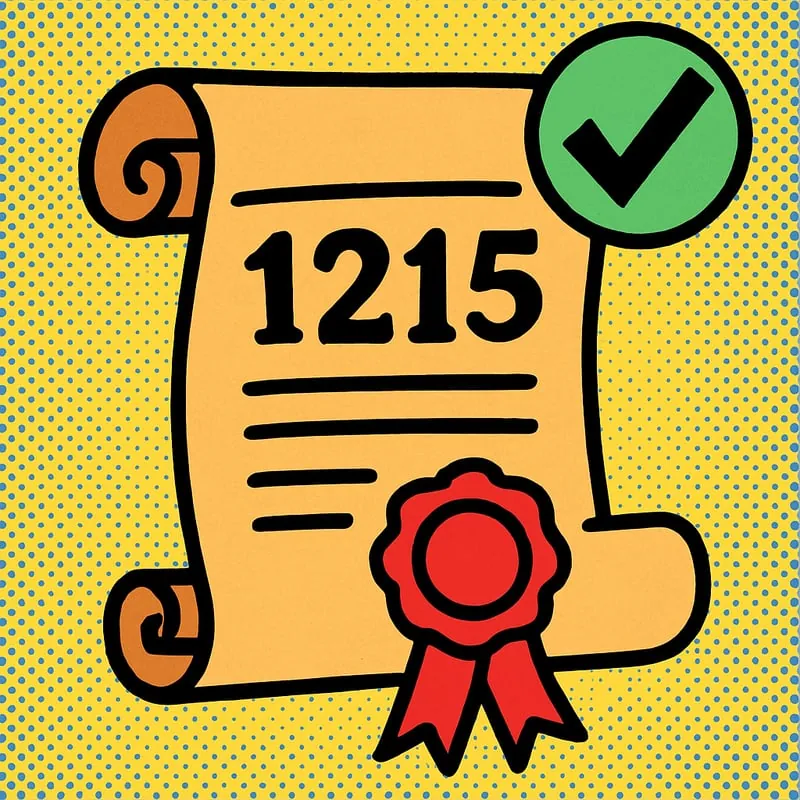
In 1215, English nobles got fed up with King John. He was taxing them heavily, losing wars, and ignoring his own promises. So a group of rebel barons met him in a meadow called Runnymede and basically said: “Sign this, or else.” The document was the Magna Carta - Latin for “Great Charter.”
The Magna Carta had 63 clauses. Most were about specific medieval problems like fishing rights and forest laws. But buried inside was a wild, world-changing idea: that even the king had to follow the law. Nobody - not even the most powerful person in the country - was above it. That idea would echo for centuries.
Today only four of the original 63 clauses are still part of English law. But the basic idea - that rulers must obey the law and respect their people’s rights - became the foundation for democratic governments around the world, including the United States.