← All topics

HISTORY

Kings, empires, inventors, wars and the turning points that shaped the world we live in.

50 facts

MORE HISTORY FACTS

49 facts
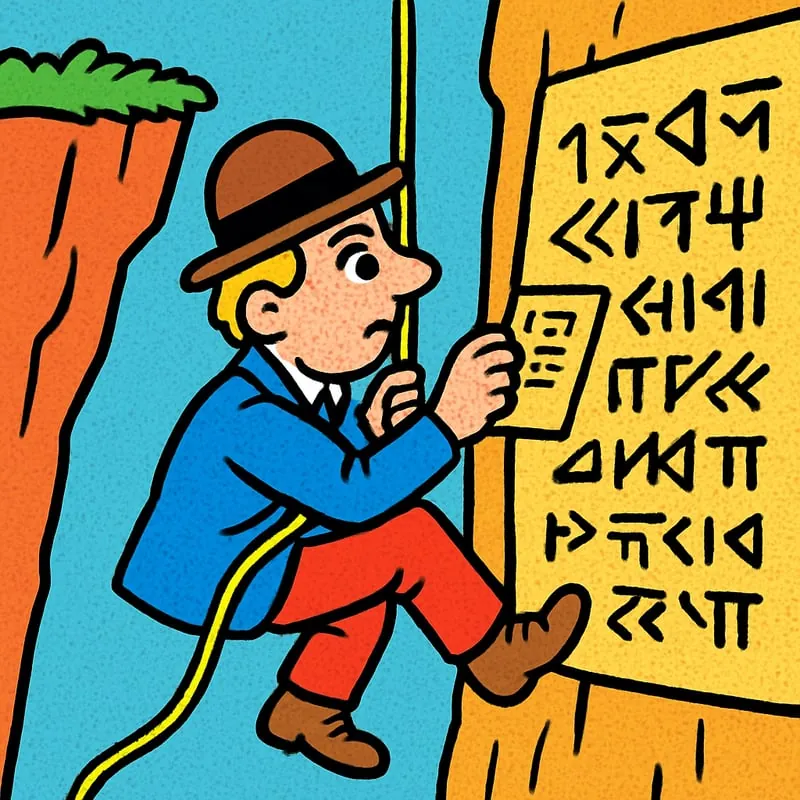
A determined man in a bowler hat dangles from a cliff, carefully copying cuneiform symbols from a massive stone inscription.
DID YOU KNOW? An Englishman dangled off a cliff to copy a code that unlocked ancient Mesopotamia. Henry Rawlinson hung from ropes in modern Iran to copy a giant carved inscription - the Rosetta Stone of cuneiform. 2 min read
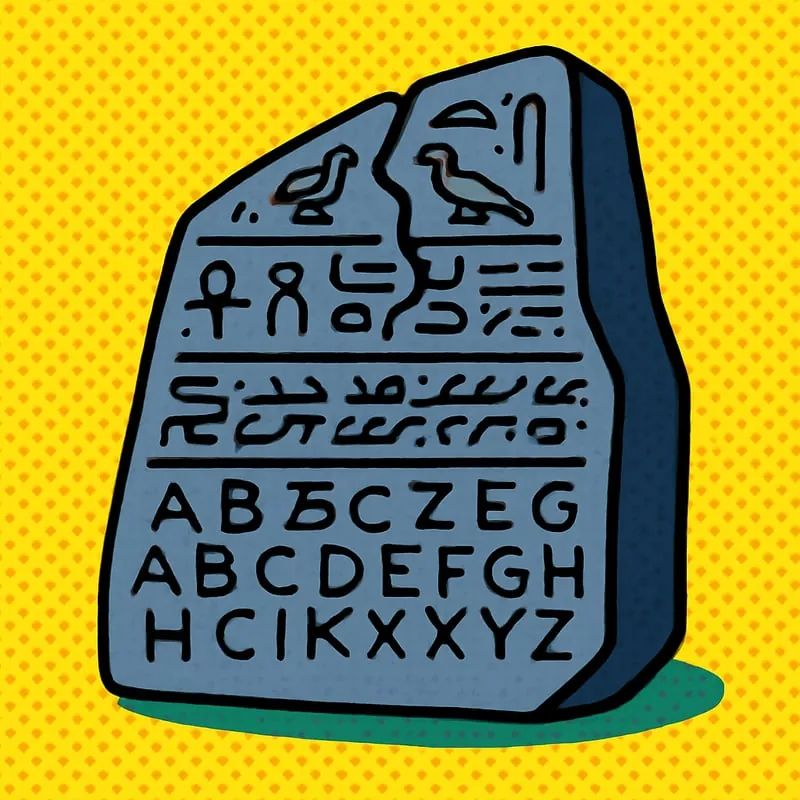
A large, cracked stone slab displays Egyptian hieroglyphs alongside letters of the alphabet, set against a bright yellow…
DID YOU KNOW? One broken stone slab let us read ancient Egyptian after 1,400 years of silence. The Rosetta Stone had the same text in three scripts - and finally cracked the code of Egyptian hieroglyphs. 2 min read
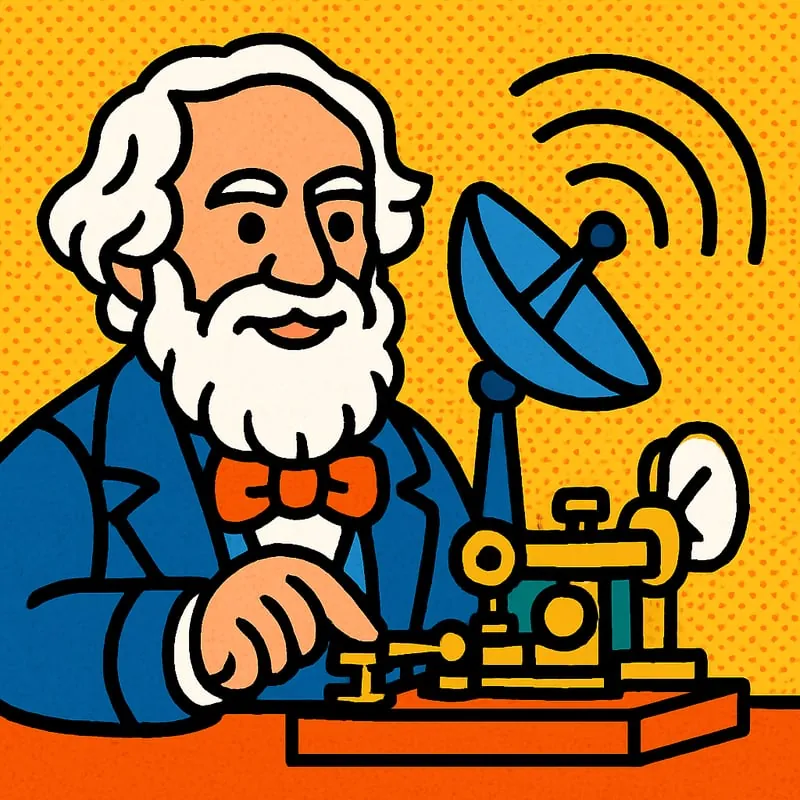
Samuel Morse, with a white beard and bow tie, taps a Morse code key next to a vintage telegraph machine, sending signals.
DID YOU KNOW? The first long-distance Morse code message ever sent was: "What hath God wrought?" In 1844, Samuel Morse tapped that phrase from Washington D.C. to Baltimore - and instant long-distance messaging was born. 2 min read
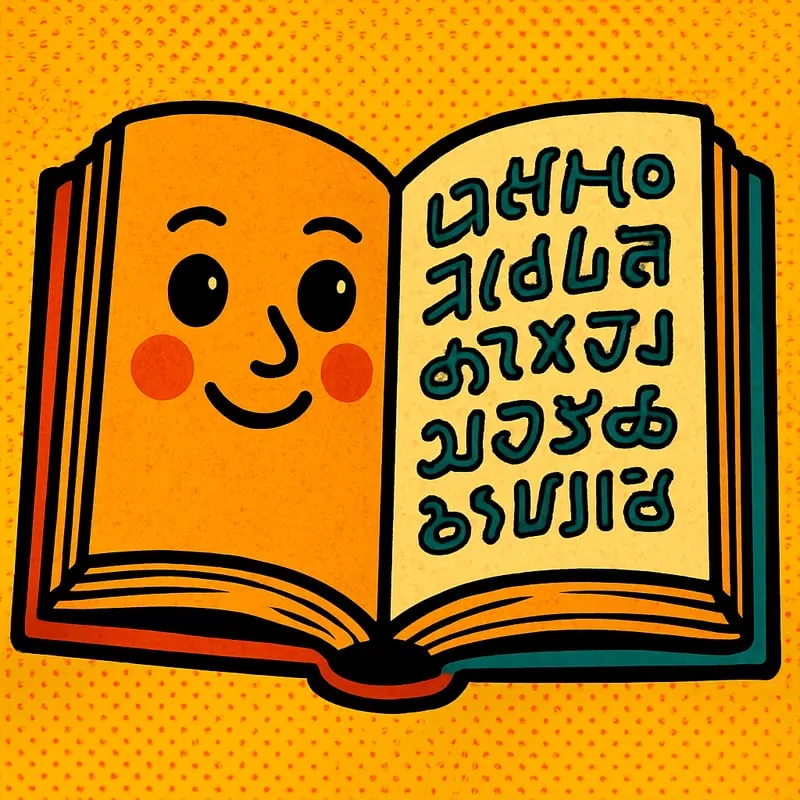
An open book with a smiling face, filled with mysterious, colorful symbols that no one can decipher.
DID YOU KNOW? There is a 600-year-old book that nobody on Earth can read. The Voynich Manuscript is written in a script no one recognizes - and despite countless attempts, nobody has ever cracked it. 2 min read
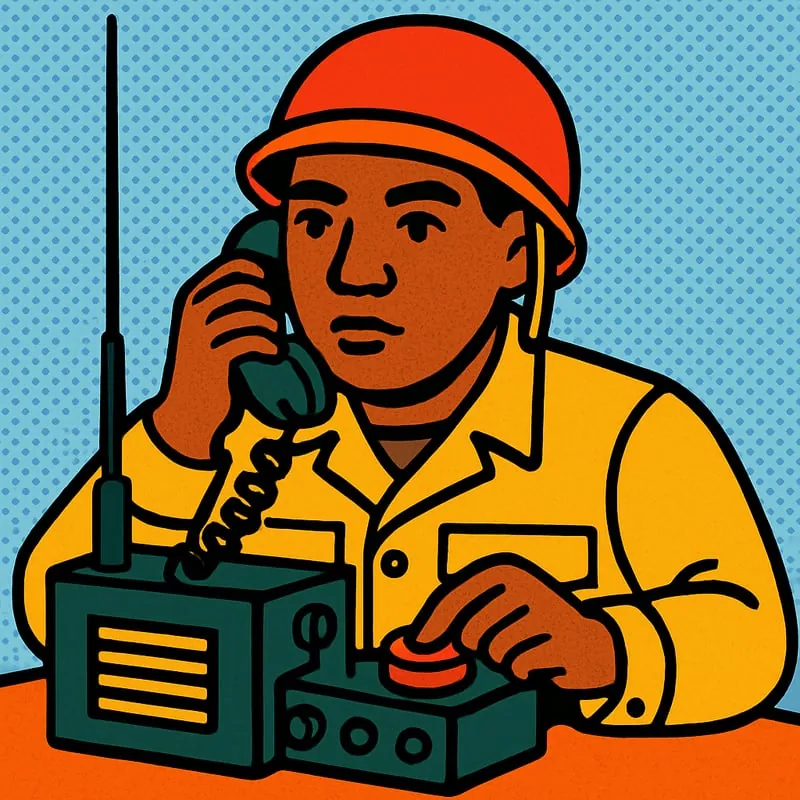
A Navajo Marine in a bright orange helmet speaks into a vintage green radio, focused and ready for action.
DID YOU KNOW? Navajo Code Talkers built the only WWII code that was never broken. Around 400 Navajo Marines used their own language - plus a layer of secret code - to send vital messages in the Pacific. 2 min read
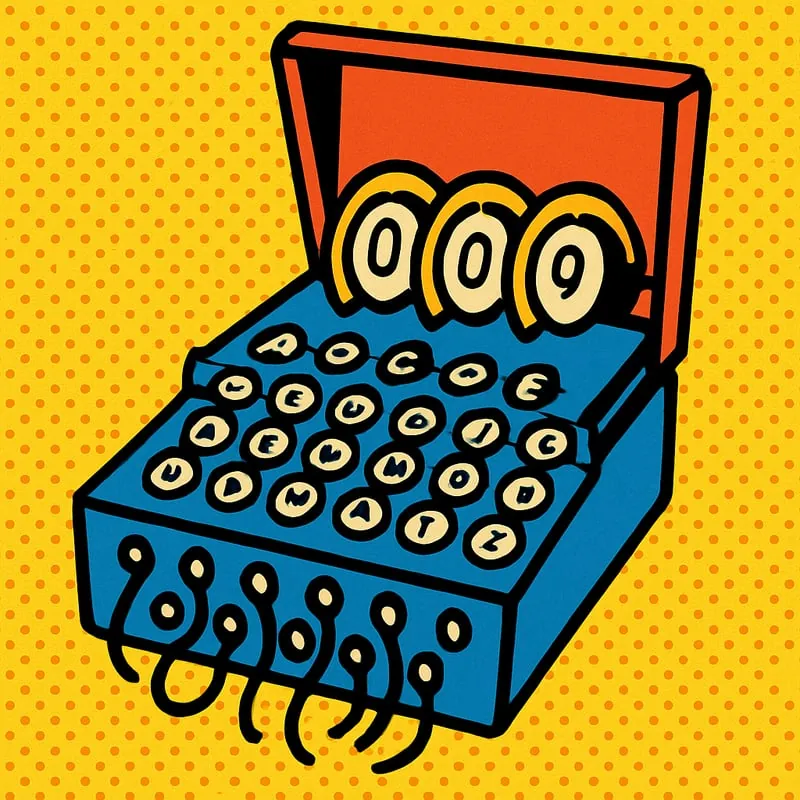
A colorful Enigma machine opens with spinning dials showing "000," surrounded by whimsical letters and wires.
DID YOU KNOW? The German Enigma machine had 159 quintillion possible settings. That's a 159 followed by 18 zeros - and codebreakers had to figure out the right one every single day. 2 min read
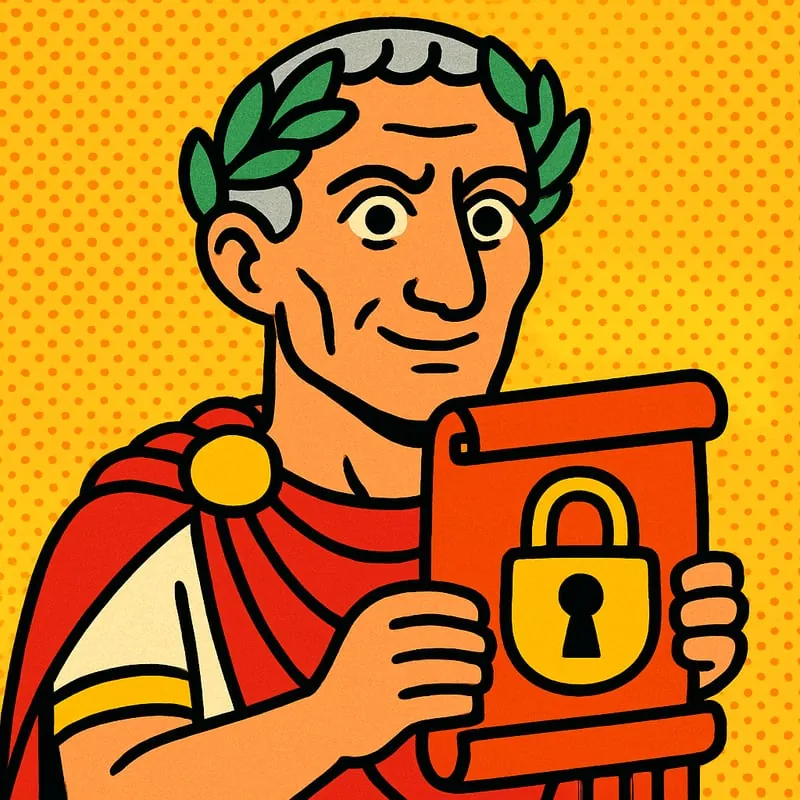
Julius Caesar smiles confidently while holding a scroll with a padlock symbol, surrounded by a bright yellow background.
DID YOU KNOW? Julius Caesar protected his messages by shifting every letter three places. It's one of the oldest known codes - simple enough for a kid to use, but it kept secrets safe for hundreds of years. 2 min read
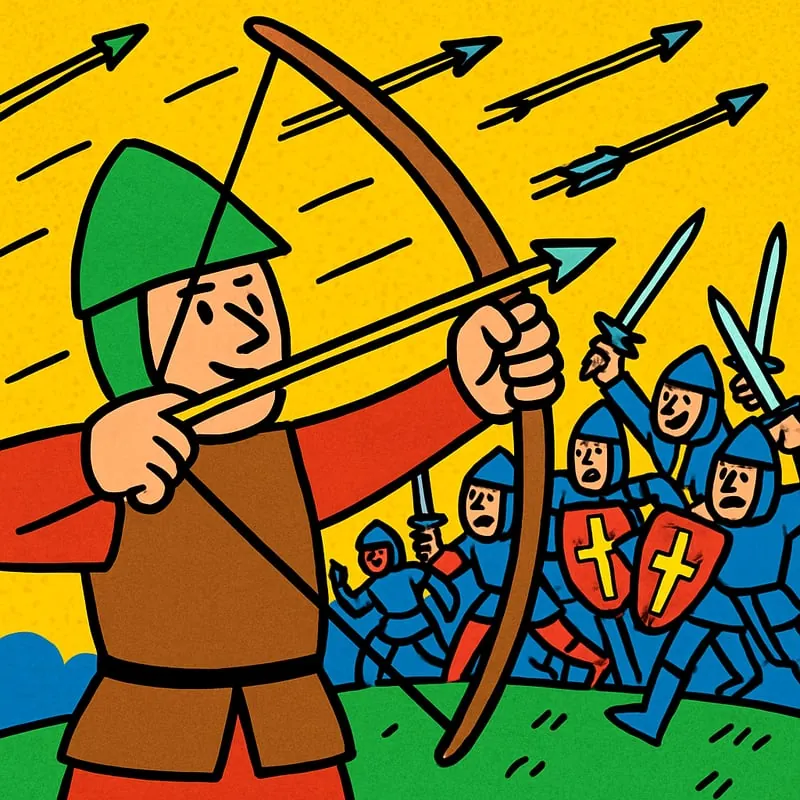
An English archer in a green cap pulls back his bowstring, aiming at a charging group of blue-armored French soldiers.
DID YOU KNOW? 5,000 English archers defeated a French army four times their size in 1415. At the Battle of Agincourt, English longbowmen fired thousands of arrows a minute and changed the rules of war. 2 min read
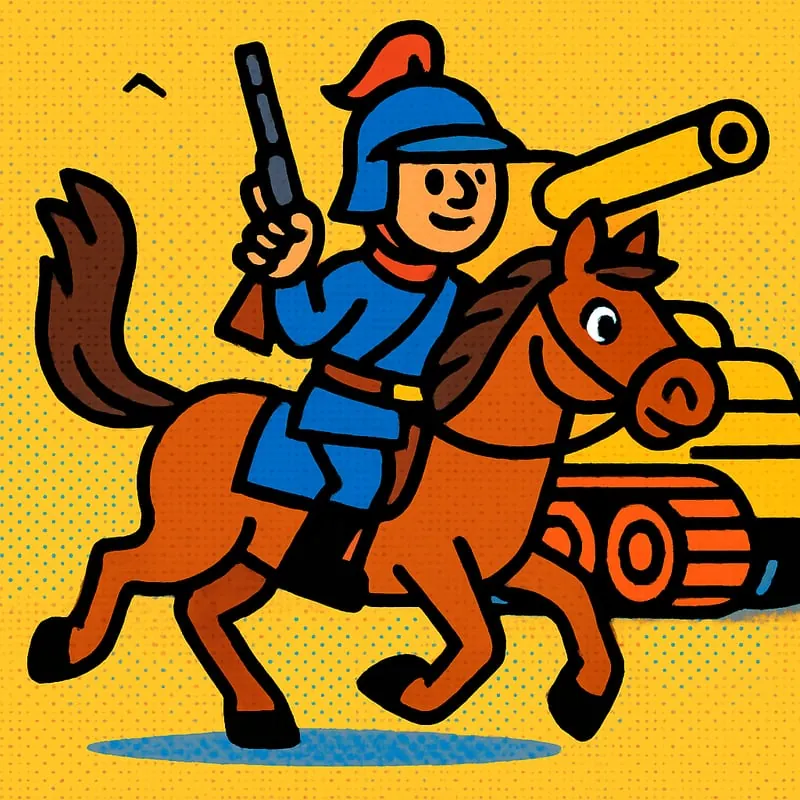
A cheerful soldier in blue rides a brown horse, holding a pistol, while a tank looms in the background on a bright yellow…
DID YOU KNOW? Armies used horse cavalry in battle for over 3,000 years before tanks took over. Horse-riding soldiers were a major weapon from ancient times until WWII - when machine guns and engines finally ended their reign. 2 min read
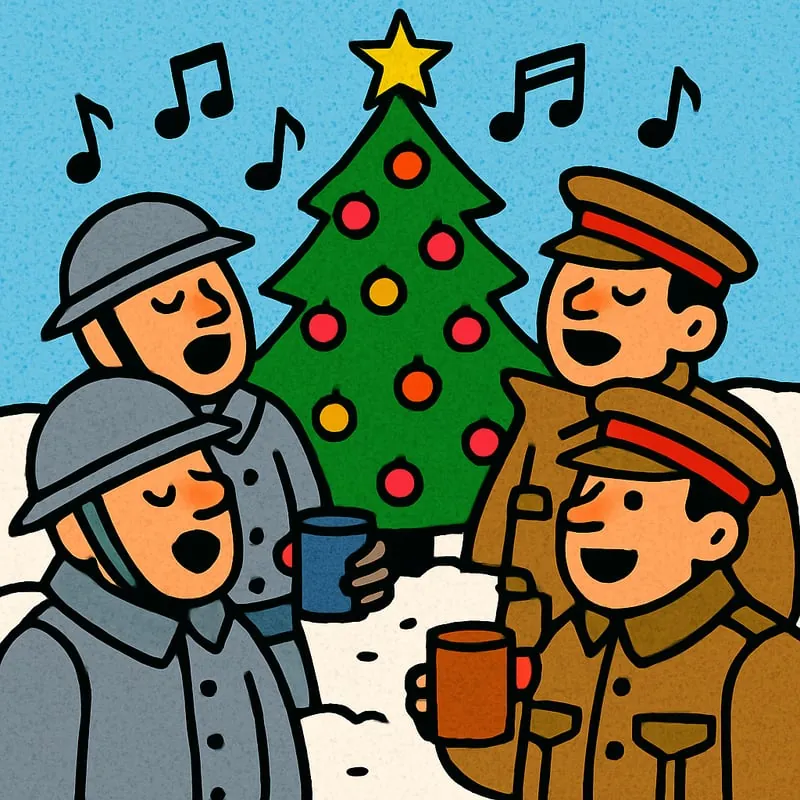
Soldiers in different uniforms gather around a decorated Christmas tree, singing carols with mugs in hand and musical notes…
DID YOU KNOW? On Christmas Eve 1914, enemy soldiers in WWI stopped fighting and sang carols together. Across parts of the Western Front, soldiers crossed no man's land to swap food, take photos and play football. 2 min read
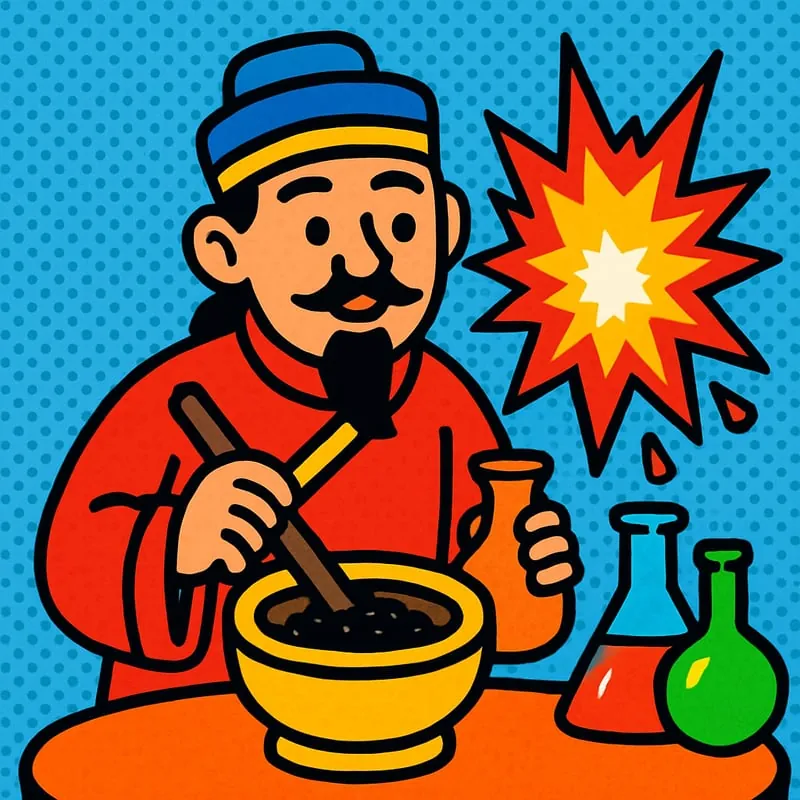
A cheerful Chinese alchemist stirs a bowl of black powder, surprised by a colorful explosion bursting from behind him.
DID YOU KNOW? Gunpowder was invented by Chinese alchemists trying to make a potion for eternal life. Around 850 CE, they mixed three chemicals - and got a powder that exploded instead of helping anyone live forever. 2 min read
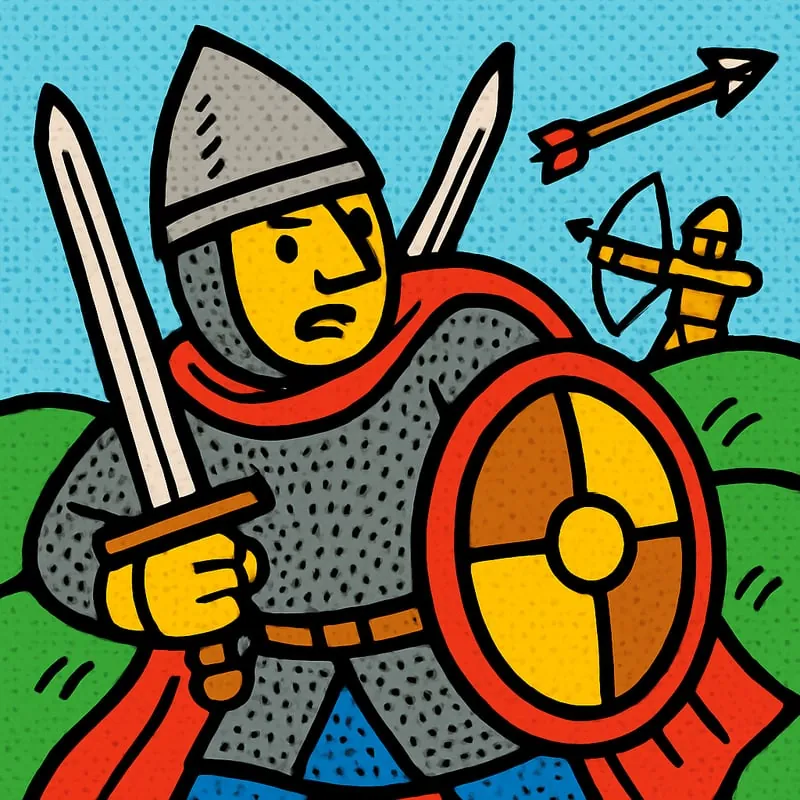
A determined knight in shining armor brandishes two swords, ready for battle, with arrows flying overhead and a castle in…
DID YOU KNOW? A single battle in 1066 changed the English language forever. When the Normans won the Battle of Hastings, French words flooded into English - and they're still everywhere today. 2 min read
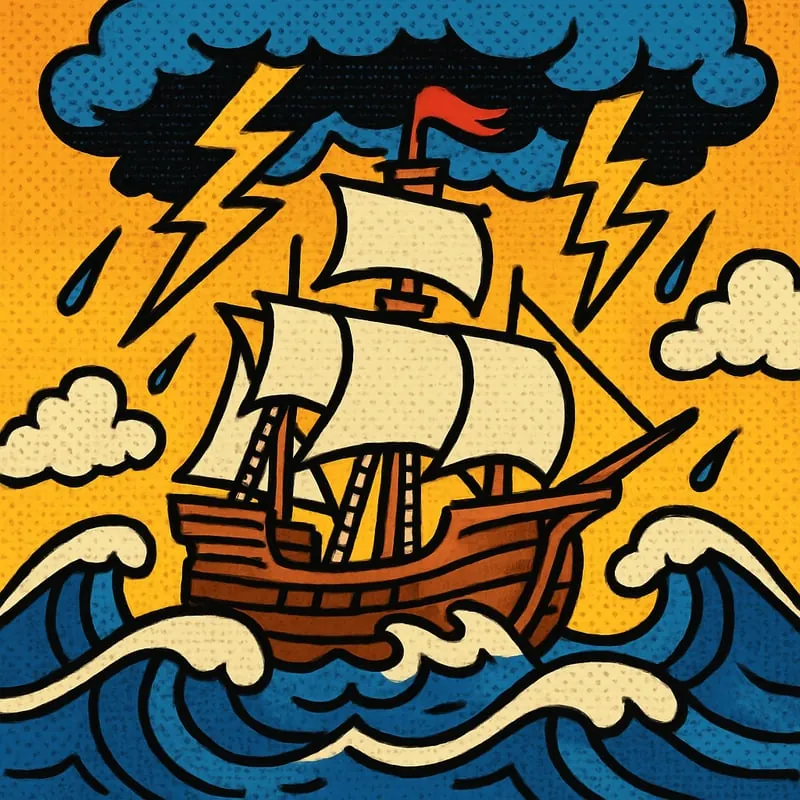
A sturdy wooden ship battles towering waves and fierce lightning under a dark stormy sky, with clouds swirling dramatically.
DID YOU KNOW? A storm helped defeat the most powerful navy in the world in 1588. Spain sent 130 huge warships to invade England - and ferocious Atlantic storms wrecked them on the way home. 2 min read
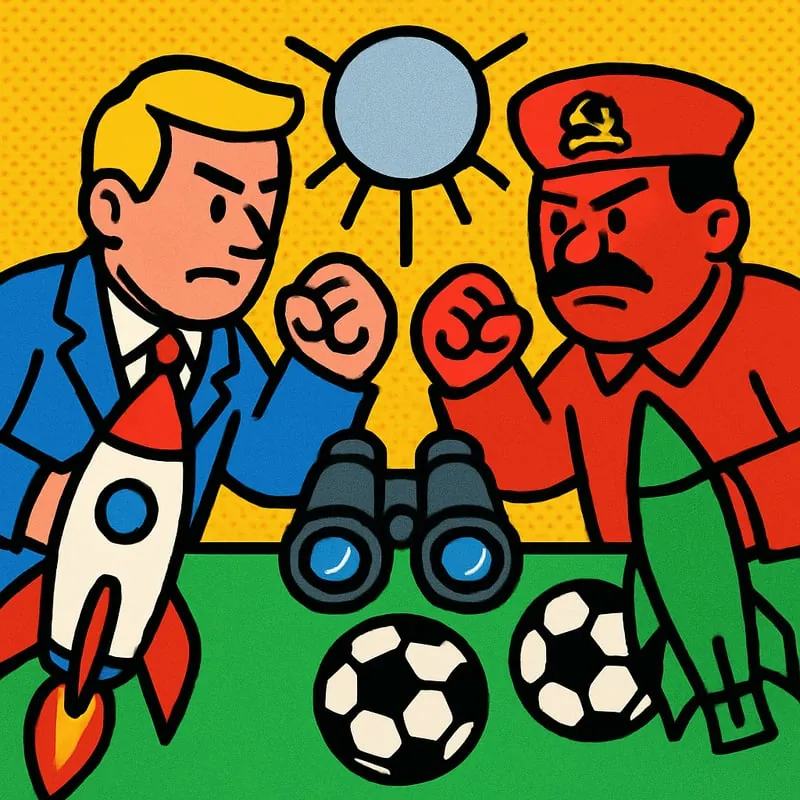
Two cartoon leaders, one in a blue suit holding a rocket and the other in a red uniform with binoculars, face off over…
DID YOU KNOW? The Cold War lasted 45 years without the two superpowers ever fighting each other directly. The U.S. and Soviet Union competed in spying, space, sports and weapons - but never in a face-to-face battle. 2 min read
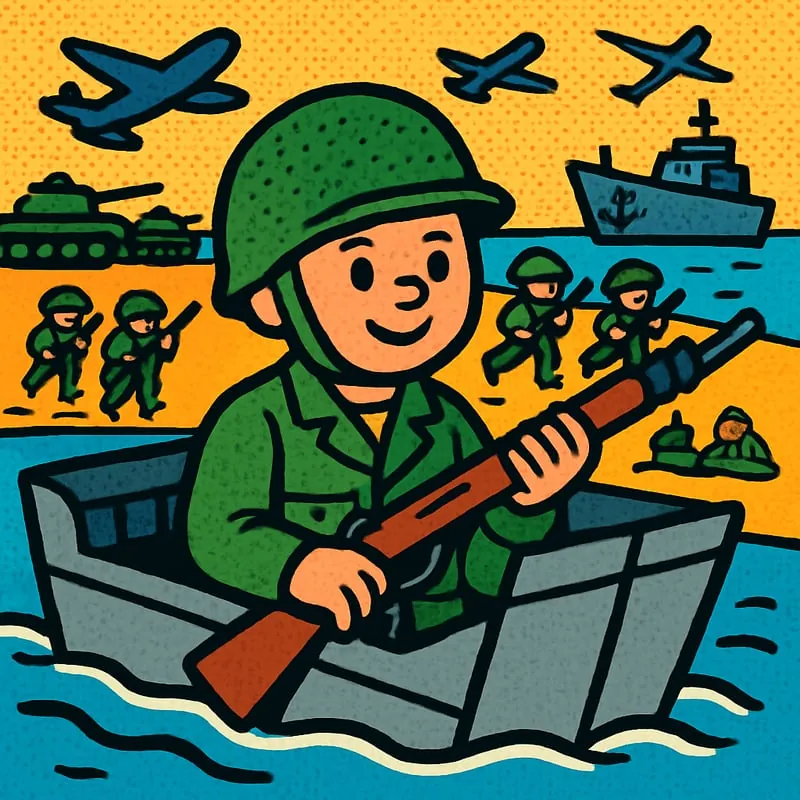
A cheerful soldier in a small boat holds a rifle, with tanks, planes, and fellow troops landing on a sandy beach behind him.
DID YOU KNOW? D-Day was the largest seaborne invasion in history. On June 6, 1944, around 156,000 Allied troops crossed the English Channel to land on the beaches of Normandy, France. 2 min read
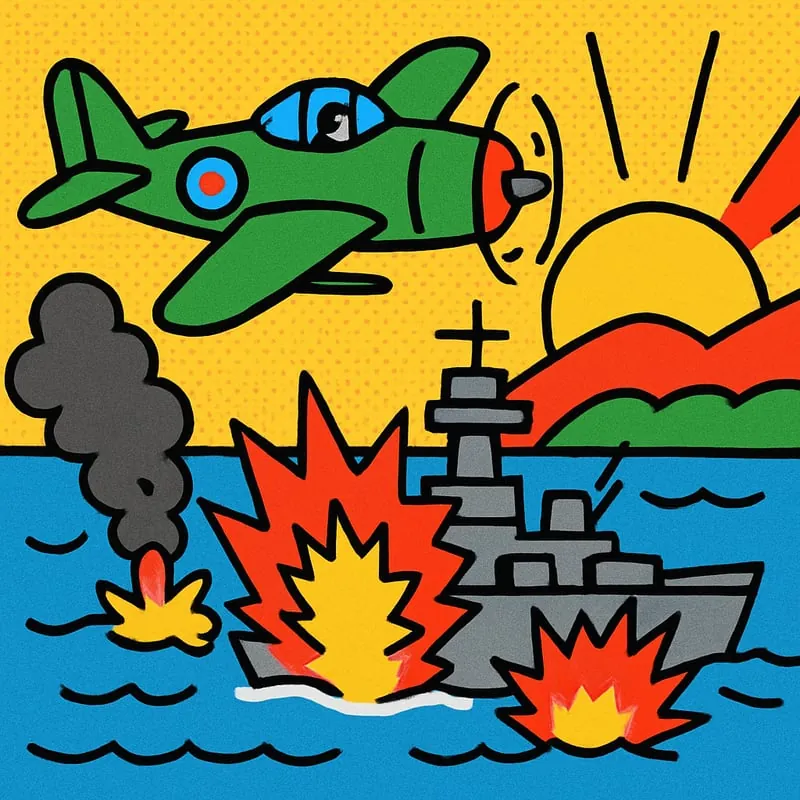
A green plane zooms overhead as explosions erupt around a battleship in the vibrant waters at dawn.
DID YOU KNOW? A surprise attack at dawn pulled the U.S. into World War II. The Pearl Harbor attack lasted just two hours on December 7, 1941 - and changed the course of the entire war. 2 min read
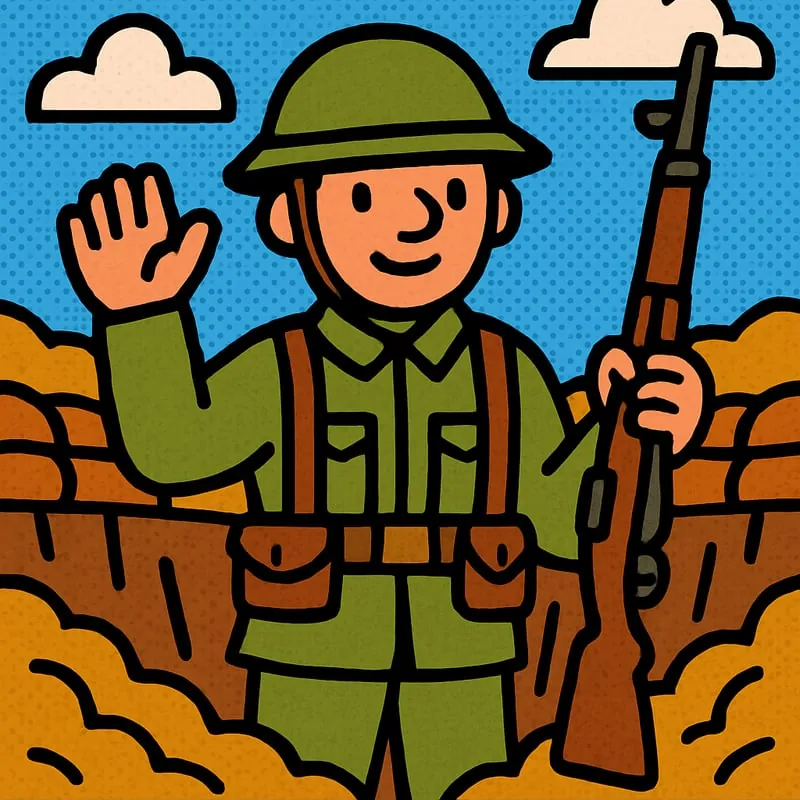
A cheerful soldier waves from a muddy trench, holding a rifle, surrounded by rolling hills and fluffy clouds in a bright…
DID YOU KNOW? WWI soldiers dug trench networks that stretched 475 miles across Europe. Front-line trenches ran from the North Sea all the way to the Swiss Alps - soldiers lived in them for years. 2 min read
The Eiffel Tower stands tall on a green hill, with an hourglass beside it and radio waves radiating from the top under a…
DID YOU KNOW? The Eiffel Tower was only supposed to stand for 20 years. Built for a world's fair in 1889, it was scheduled to be torn down in 1909 - but became too useful as a radio antenna. 2 min read
A cheerful inventor with a bushy orange beard holds a printing press handle, surrounded by colorful stacked books.
DID YOU KNOW? One inventor in the 1450s made books 1,000 times cheaper. Johannes Gutenberg's printing press meant books no longer had to be copied by hand - letter by letter, for months at a time. 2 min read
A determined woman in a green suit and purple hat raises her fist while casting her vote, a ballot with a checkmark in hand.
DID YOU KNOW? Women had to fight for over 70 years to get the right to vote. The suffrage movement marched, protested and went on hunger strikes - and eventually changed laws around the world. 2 min read
A cheerful inventor with a vintage camera stands on a tripod, capturing a sunny scene of colorful houses and trees.
DID YOU KNOW? The earliest known photograph took eight hours to expose. A French inventor pointed a camera out his window in 1826 and waited all day for the image to appear. 2 min read
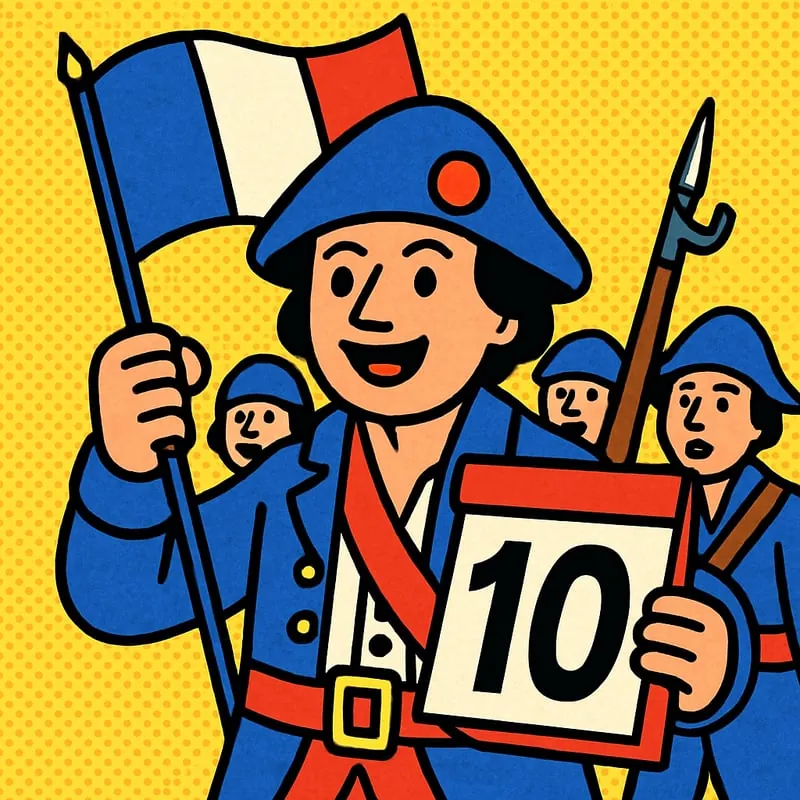
A cheerful revolutionary in a blue uniform waves a French flag and holds a calendar showing "10," surrounded by fellow…
DID YOU KNOW? French revolutionaries tried to rewrite the calendar with 10-day weeks. After overthrowing their king, France invented new month names, decimal time and 10-day weeks. It lasted just 12 years. 2 min read
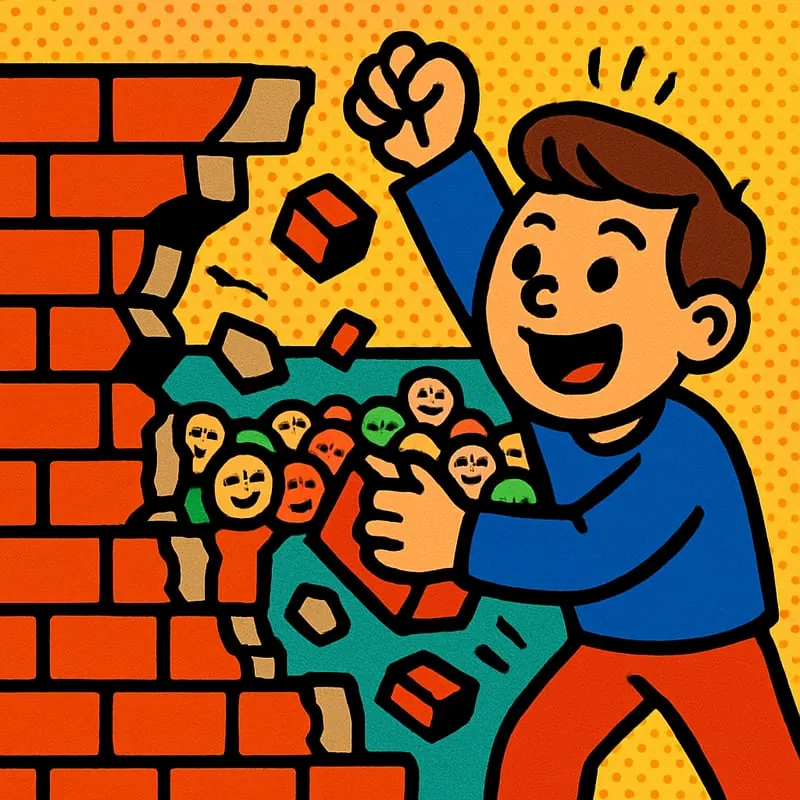
A cheerful boy breaks through a brick wall, revealing smiling faces behind the rubble, symbolizing unity and freedom.
DID YOU KNOW? The Berlin Wall came down after one accidental announcement on TV. A flustered East German official misread a memo on live television in 1989 - and a whole city poured into the streets to tear down the wall. 2 min read
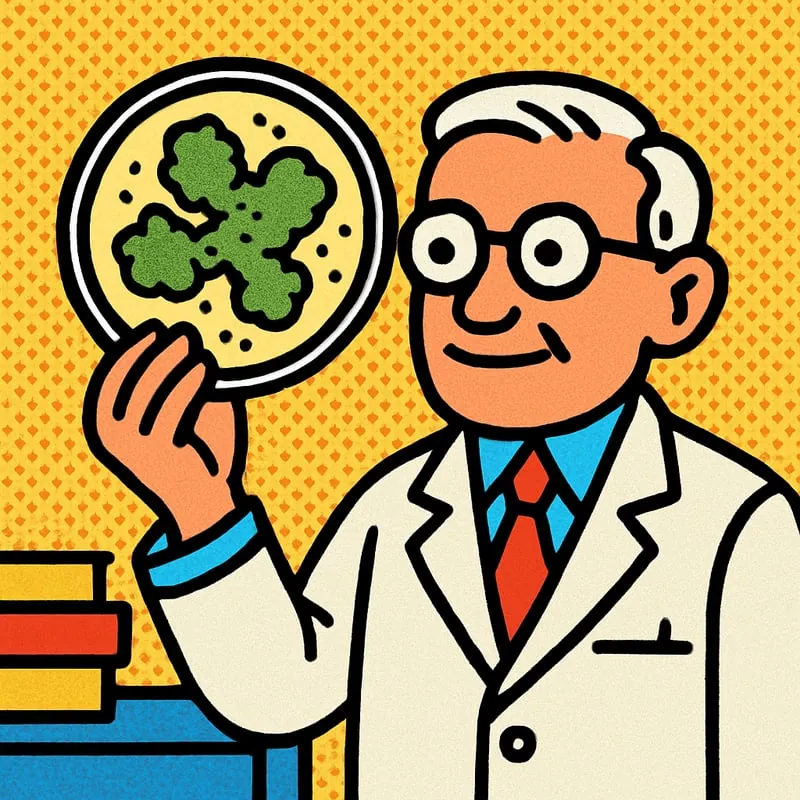
A cheerful scientist in a white lab coat holds a petri dish with green mold, smiling against a bright yellow background.
DID YOU KNOW? Penicillin - the first true antibiotic - was discovered by total accident. A scientist went on holiday, left a messy lab, and came back to find a mold that has since saved hundreds of millions of lives. 2 min read
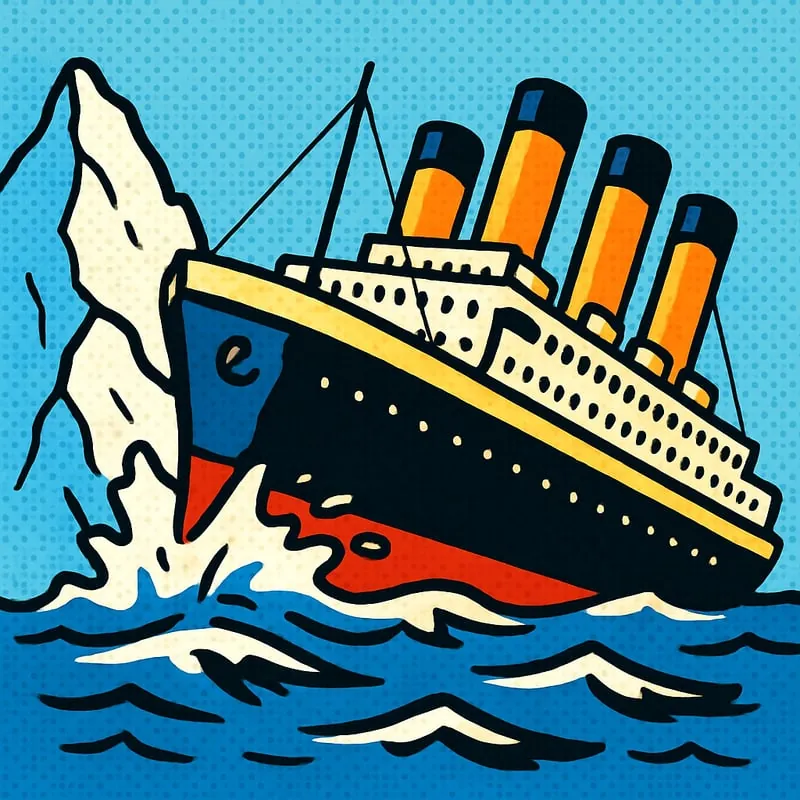
The Titanic crashes into a massive iceberg, sending waves splashing around its iconic smokestacks against a bright blue sky.
DID YOU KNOW? The Titanic took less than three hours to sink after hitting an iceberg. The "unsinkable" ship struck the iceberg at 11:40 PM and was completely under the waves by 2:20 AM. 2 min read
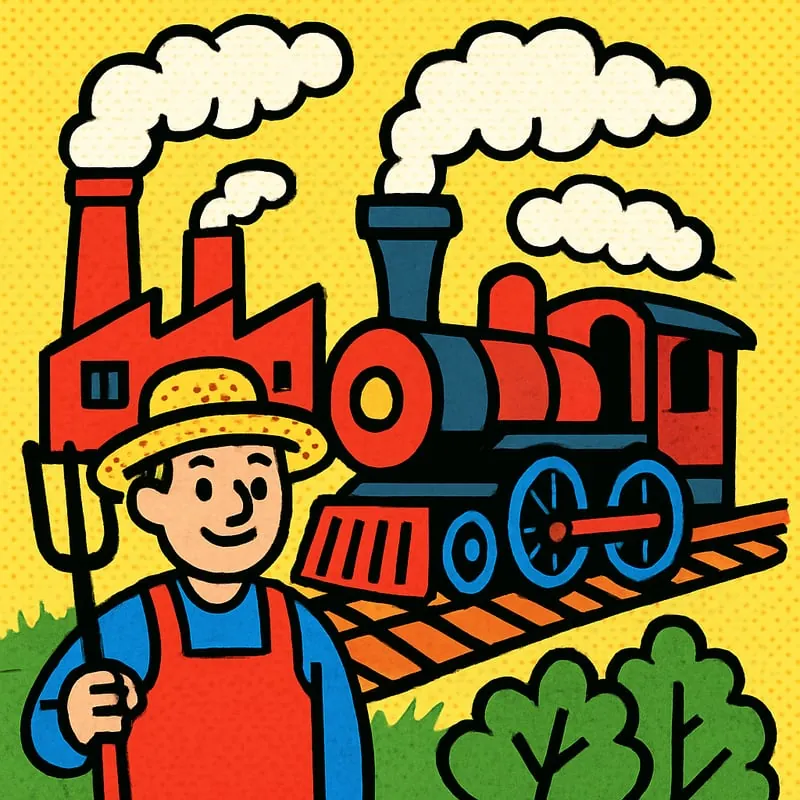
A smiling farmer in overalls holds a pitchfork as a colorful steam train chugs past factories puffing clouds of smoke.
DID YOU KNOW? The Industrial Revolution changed daily life more in 150 years than the previous 5,000. Steam engines, factories and trains turned a slow farming world into a fast machine-powered one. 2 min read
A cheerful graduate in a blue cap and gown holds a diploma, beaming with pride against a bright polka-dot background.
DID YOU KNOW? The University of Bologna has been teaching students since 1088. It's almost 1,000 years old - older than Genghis Khan, older than the Magna Carta, older than the bow and arrow longbow. 2 min read
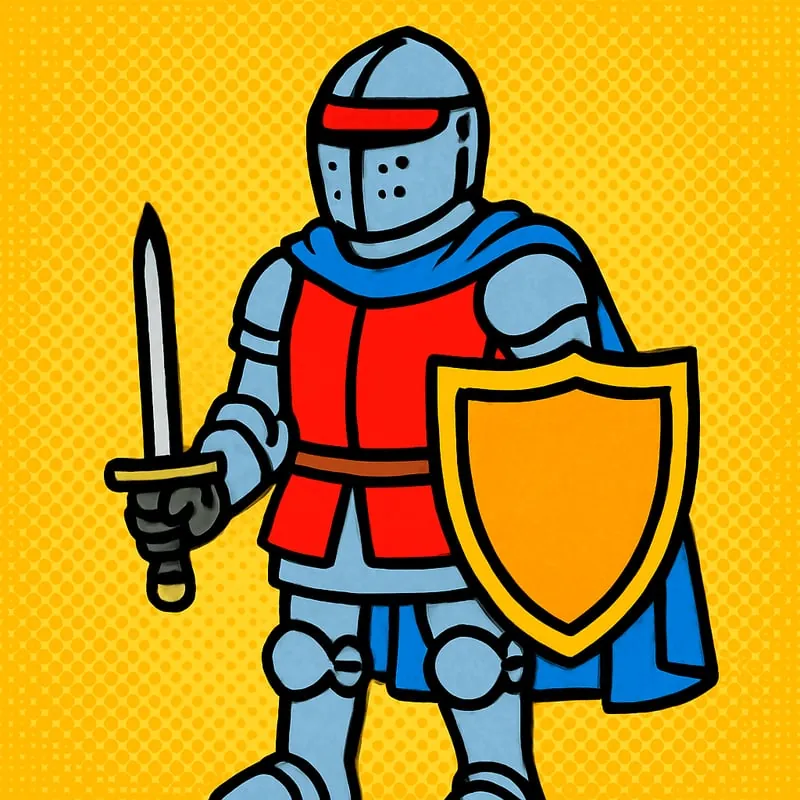
A cheerful knight in shiny armor holds a sword and a bright shield, standing confidently against a vibrant yellow background.
DID YOU KNOW? Medieval knights' armor wasn't as heavy as you might think. A full suit weighed about 45 to 55 pounds - less than a modern soldier's gear today. 2 min read
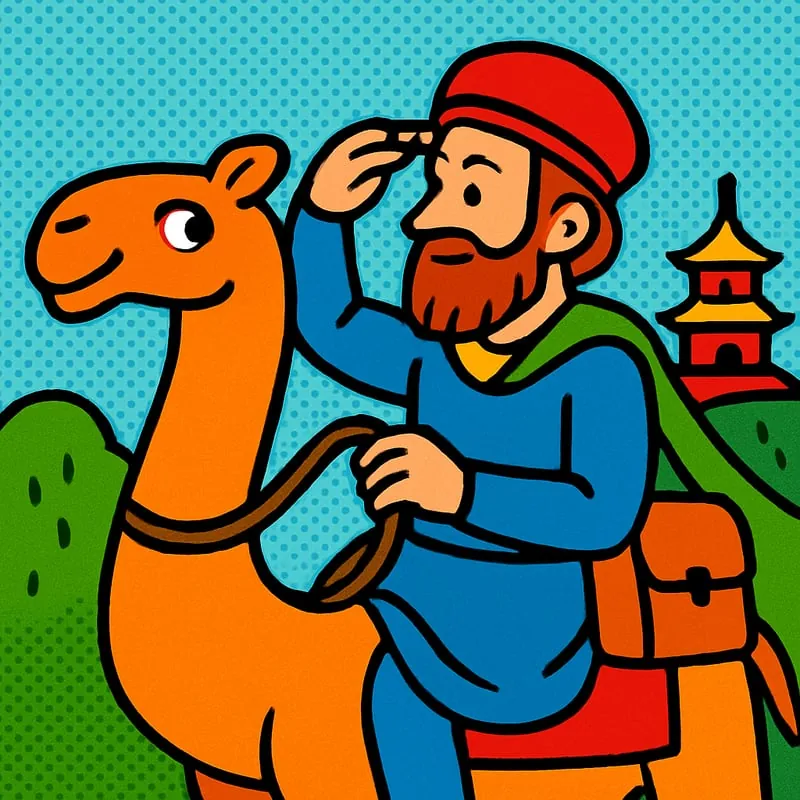
A bearded man in a red hat rides a friendly orange camel, saluting with a backdrop of green hills and a pagoda.
DID YOU KNOW? Marco Polo spent 24 years traveling from Italy to China and back. He left Venice as a teenager and returned middle-aged, with tales so wild many people refused to believe him. 2 min read
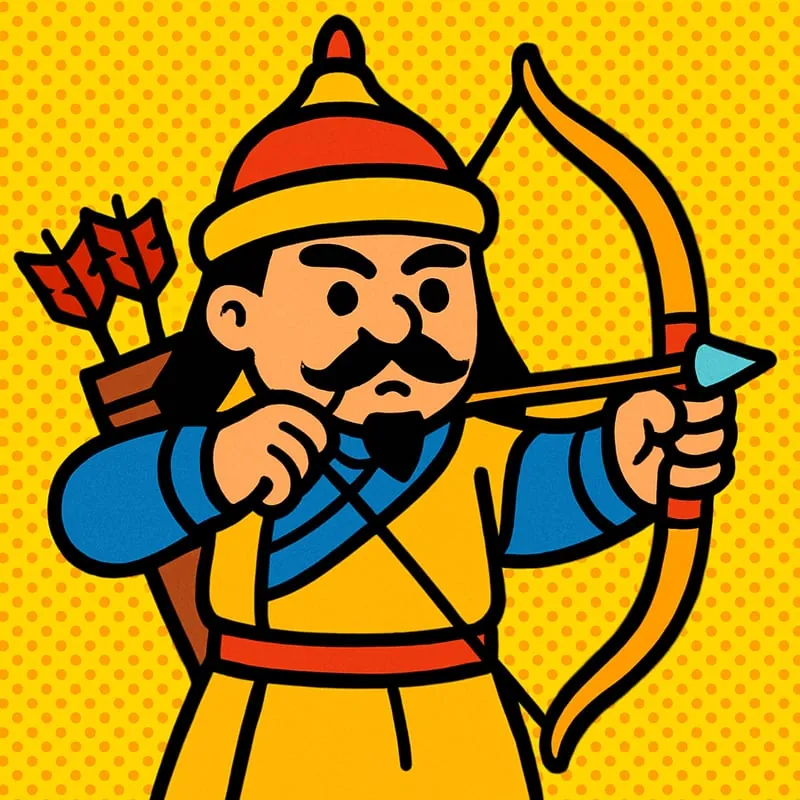
A fierce warrior in traditional Mongolian attire draws a bow, ready to shoot, with arrows slung on his back against a bright…
DID YOU KNOW? Genghis Khan built the largest connected empire in human history. At its peak the Mongol Empire stretched across most of Asia and into Europe - over 9 million square miles. 2 min read
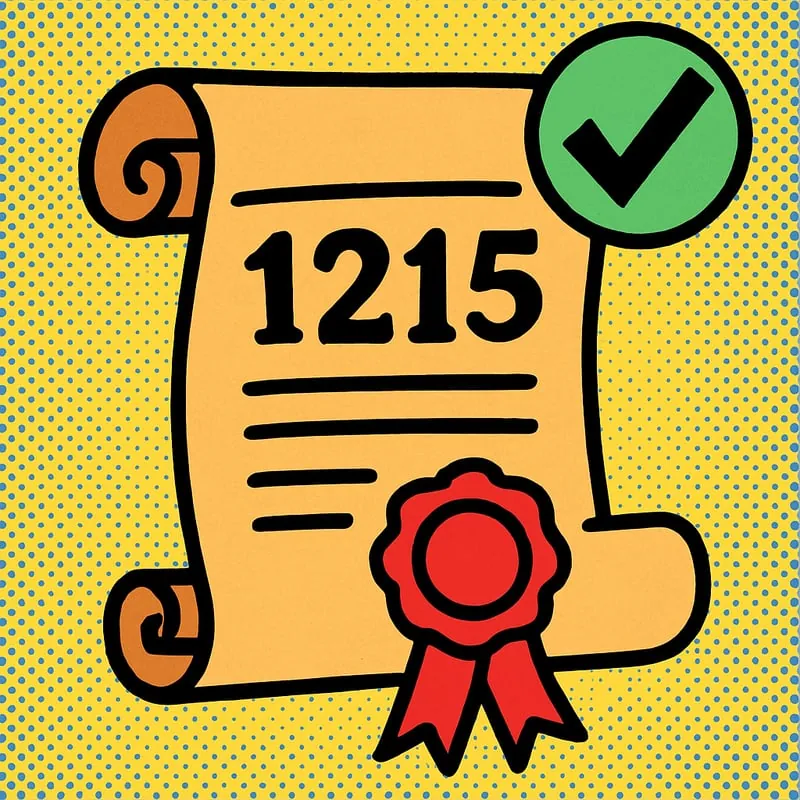
A scroll with the year 1215 prominently displayed, featuring a red wax seal and a green checkmark above it.
DID YOU KNOW? A document signed in 1215 still shapes laws around the world today. The Magna Carta forced an English king to follow the law - the same idea behind modern democracies. 2 min read
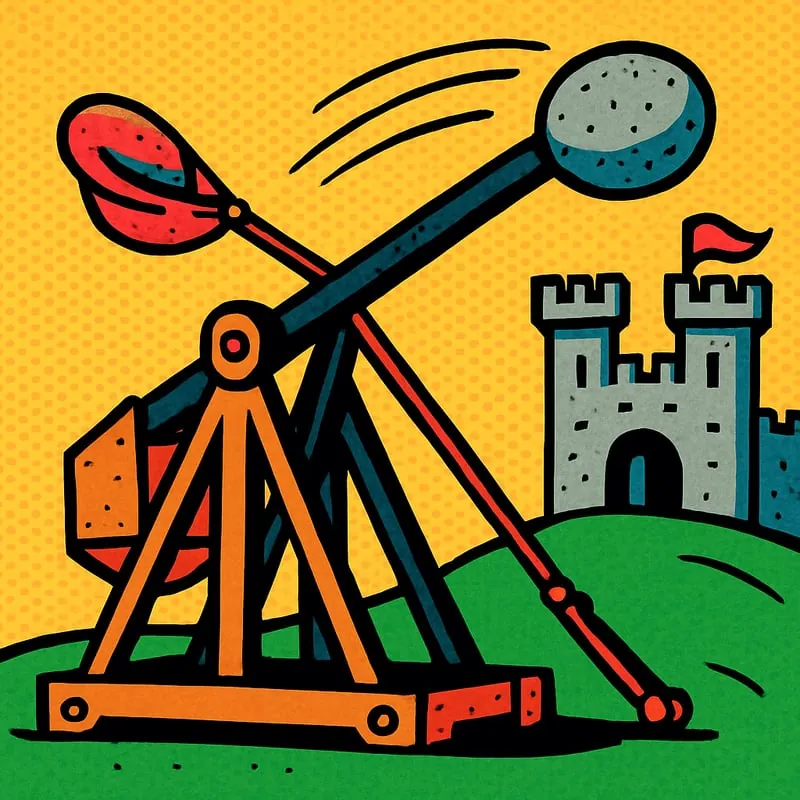
A colorful medieval trebuchet launches a massive stone towards a castle with a waving flag on a grassy hill.
DID YOU KNOW? Medieval trebuchets could fling 300-pound stones the length of a football field. These giant lever-and-counterweight machines were the biggest, scariest weapons of castle warfare. 2 min read
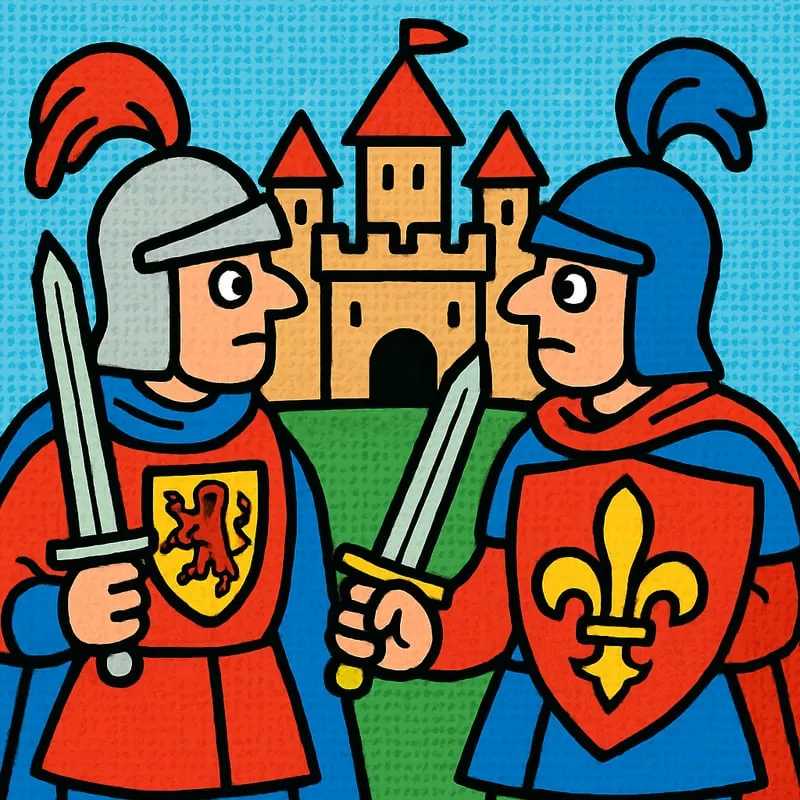
Two cartoon knights face off, one in red with a lion emblem and the other in blue with a fleur-de-lis, swords drawn, in…
DID YOU KNOW? The Hundred Years' War actually lasted 116 years. A long, on-and-off fight between England and France that involved five English kings and five French kings. 2 min read
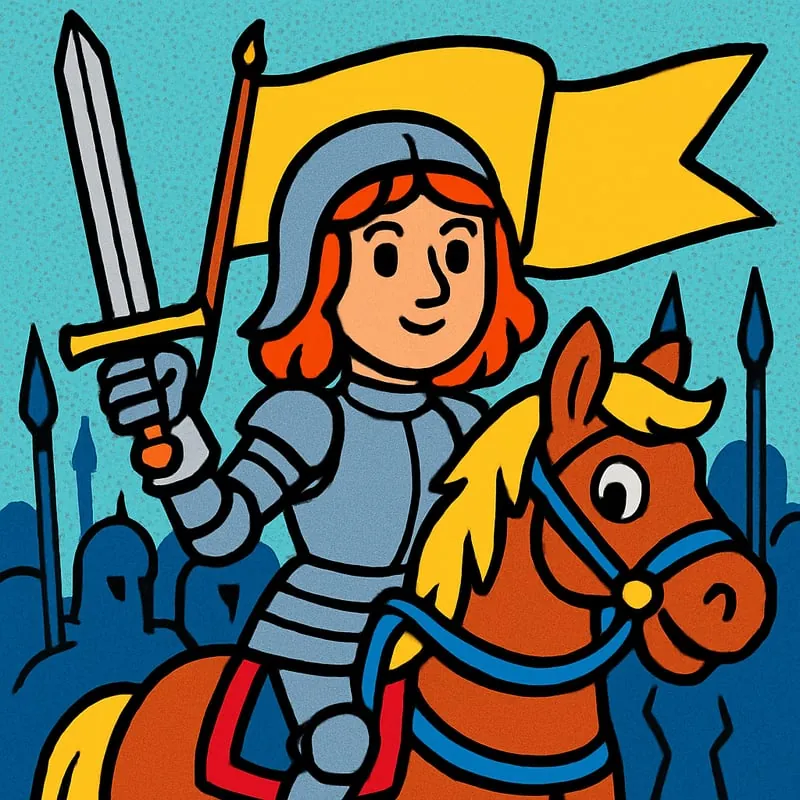
A brave teenager in shining armor rides a horse, holding a sword high and a yellow banner flapping in the wind.
DID YOU KNOW? A French teenager led an army to victory when she was just 17. Joan of Arc convinced a king to give her armor and a horse, then helped turn the tide of the Hundred Years' War. 2 min read
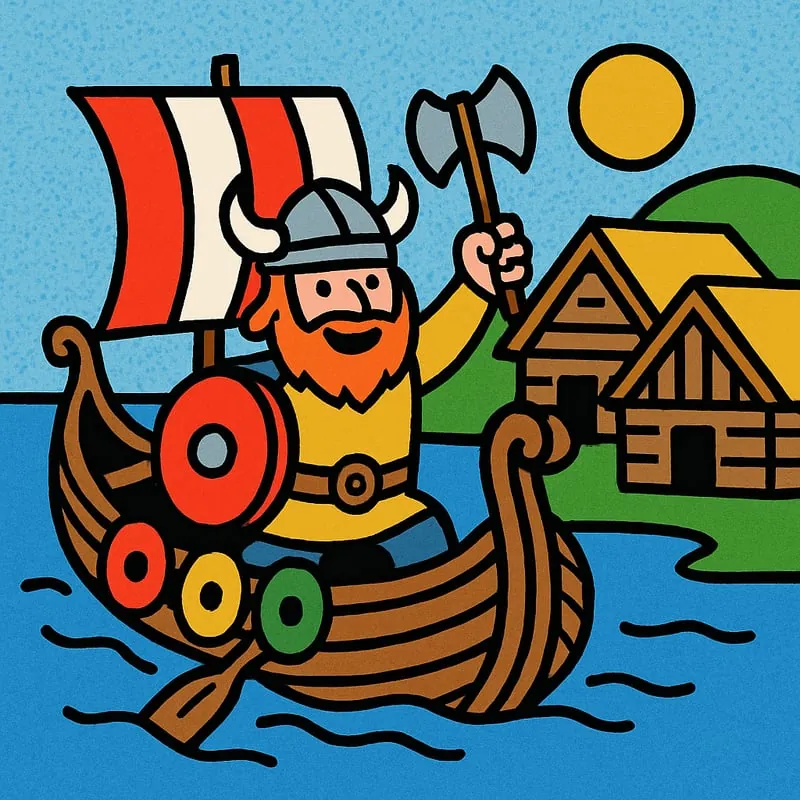
A cheerful Viking with a red beard raises an axe while sailing a colorful longship past a quaint village of wooden houses.
DID YOU KNOW? Vikings reached North America 500 years before Columbus. Around 1000 CE, Norse explorers built a small village in Newfoundland - and we have the archaeological proof. 2 min read
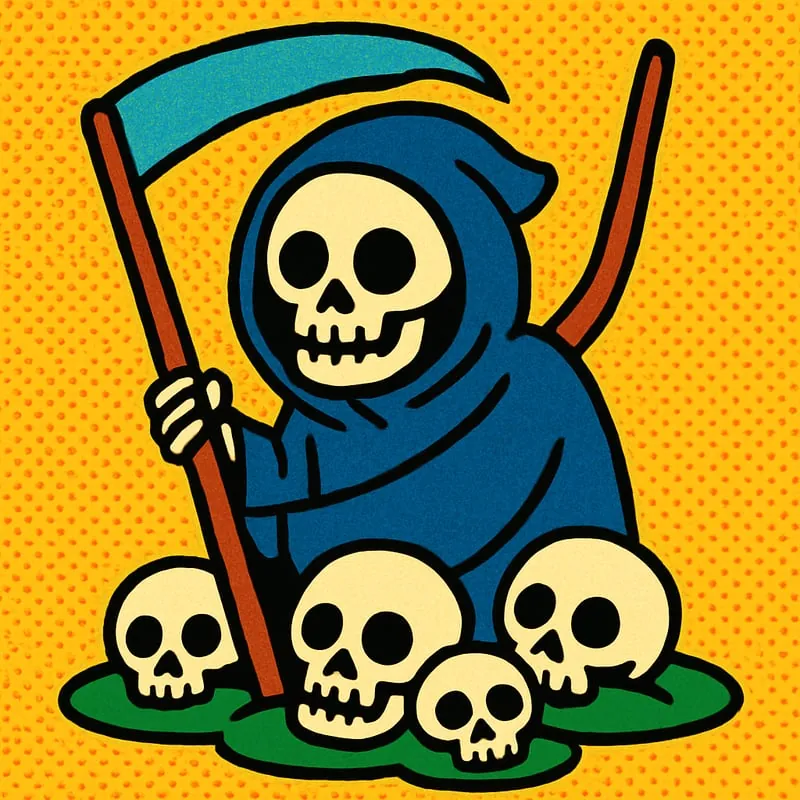
A cheerful skeleton in a blue cloak holds a scythe, surrounded by cartoon skulls on a bright yellow background.
DID YOU KNOW? The Black Death killed roughly one third of everyone in Europe. In just four years in the 1340s, a single disease wiped out around 25 million people across the continent. 2 min read
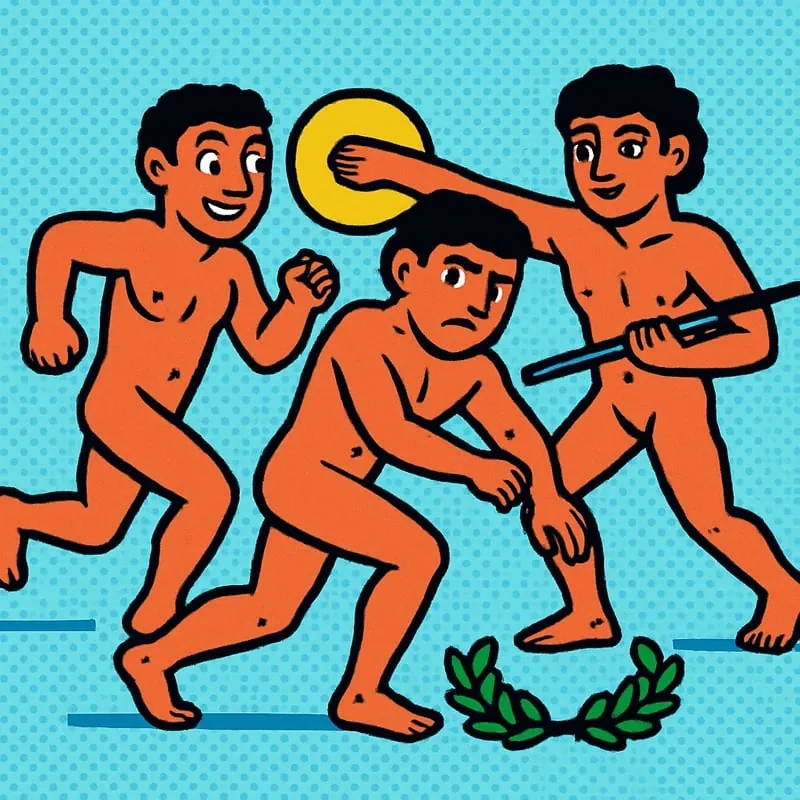
Three cheerful ancient athletes race towards a laurel wreath, completely naked, under a bright sun with playful expressions.
DID YOU KNOW? Athletes in the ancient Olympics competed completely naked. The first Olympic Games started in 776 BCE in Greece - and the word "gymnasium" comes from a Greek word meaning "to train naked." 2 min read
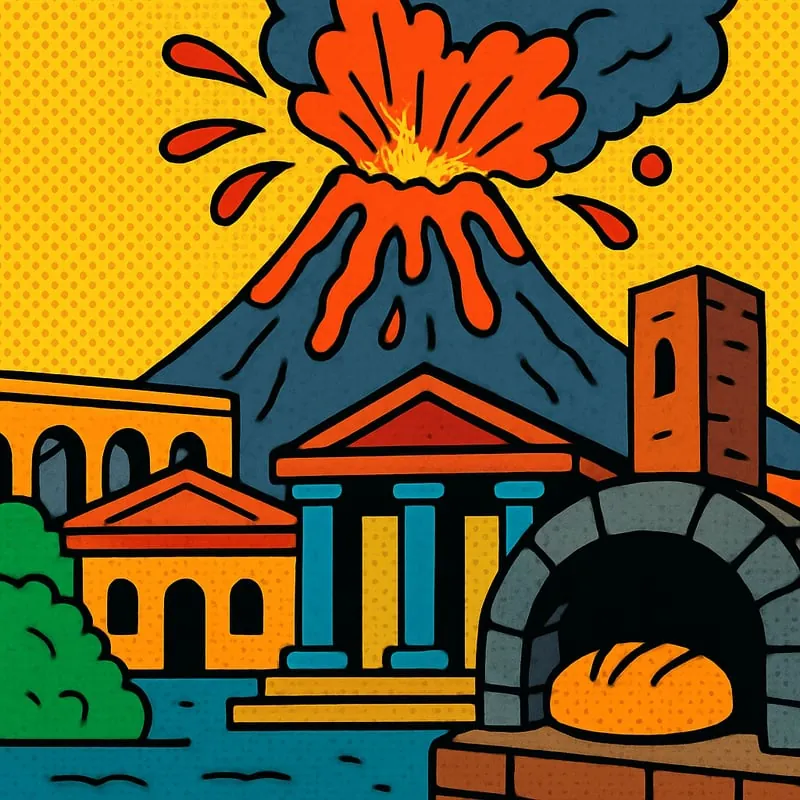
A vibrant volcano erupts, spewing red lava over ancient Roman buildings and a stone oven with a loaf of bread inside.
DID YOU KNOW? A Roman city was buried in volcanic ash and stayed perfectly preserved for 1,700 years. Pompeii was covered so quickly in 79 CE that loaves of bread were still in the ovens when archaeologists dug it up. 2 min read
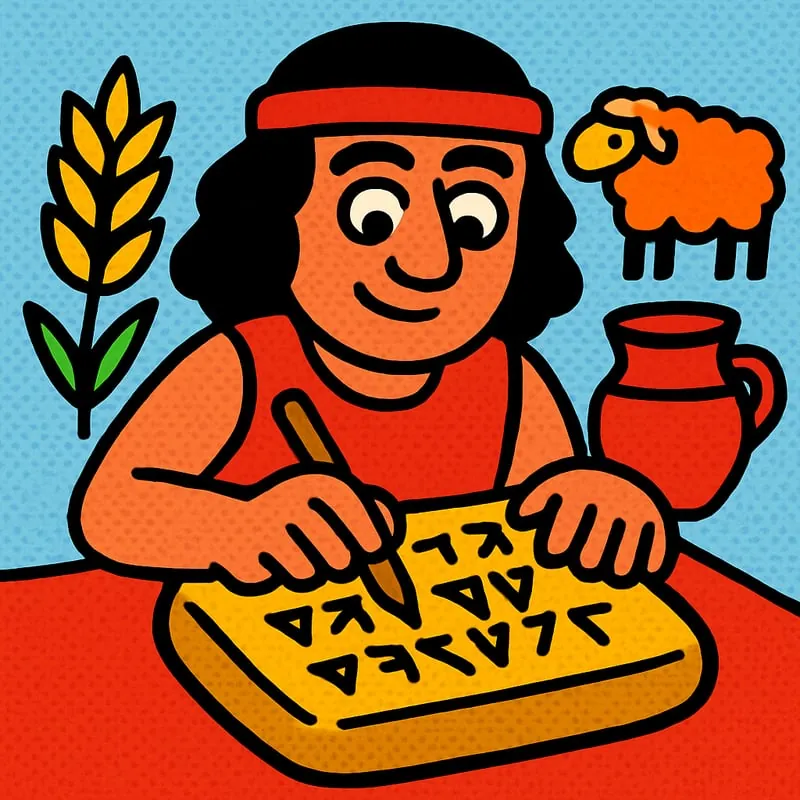
A cheerful ancient scribe presses a reed into a clay tablet, surrounded by a wheat stalk, a sheep, and a jug.
DID YOU KNOW? The oldest known writing was pressed into clay with a reed over 5,000 years ago. People in ancient Mesopotamia invented cuneiform mostly to keep track of grain, sheep and beer rations. 2 min read
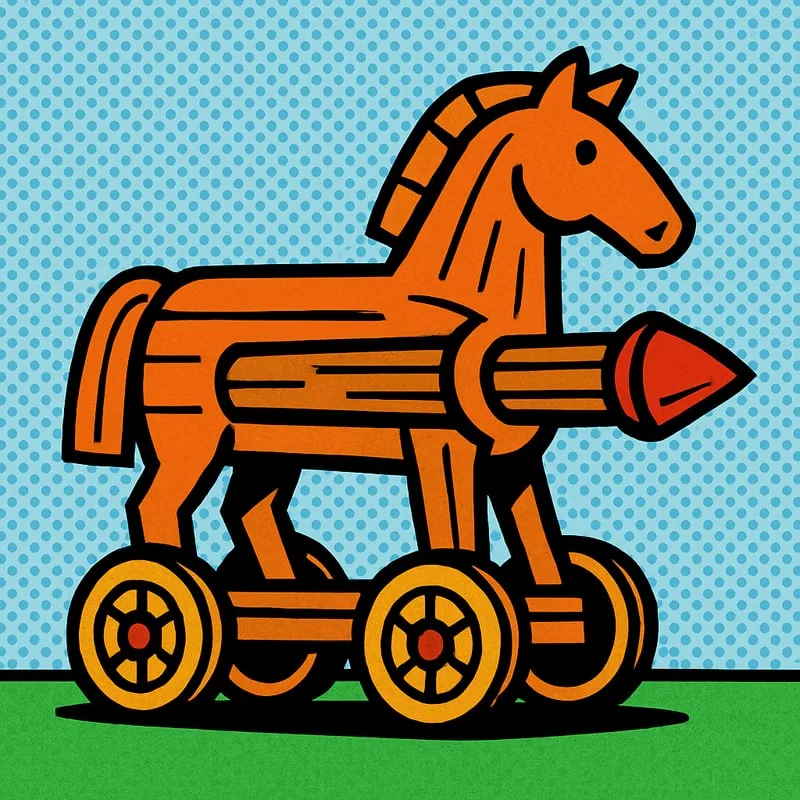
A colorful wooden Trojan Horse on wheels, featuring a pointed spear at the front, stands proudly on a bright green field.
DID YOU KNOW? The Trojan Horse may have actually been an early type of siege weapon. Greeks called wooden siege engines "horses" - so the legend might be a wild retelling of a real military machine. 2 min read
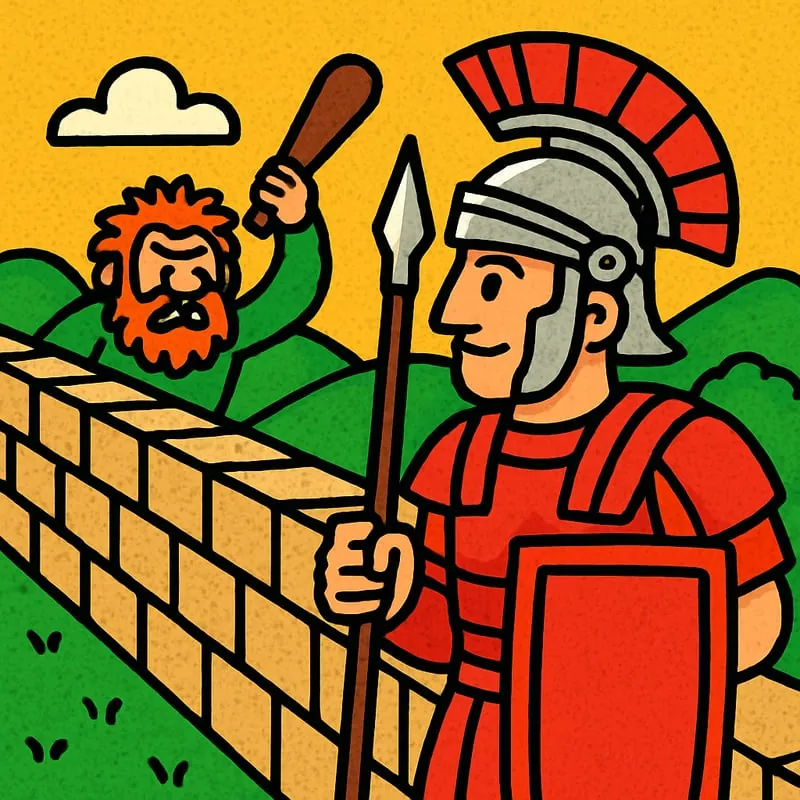
A Roman soldier in shiny armor stands confidently with a spear and shield, while a bearded tribesman raises a club behind a…
DID YOU KNOW? Romans built a 73-mile wall across Britain to keep out tribes from the north. Hadrian's Wall took about six years to build and was guarded by thousands of Roman soldiers stationed in forts along it. 2 min read
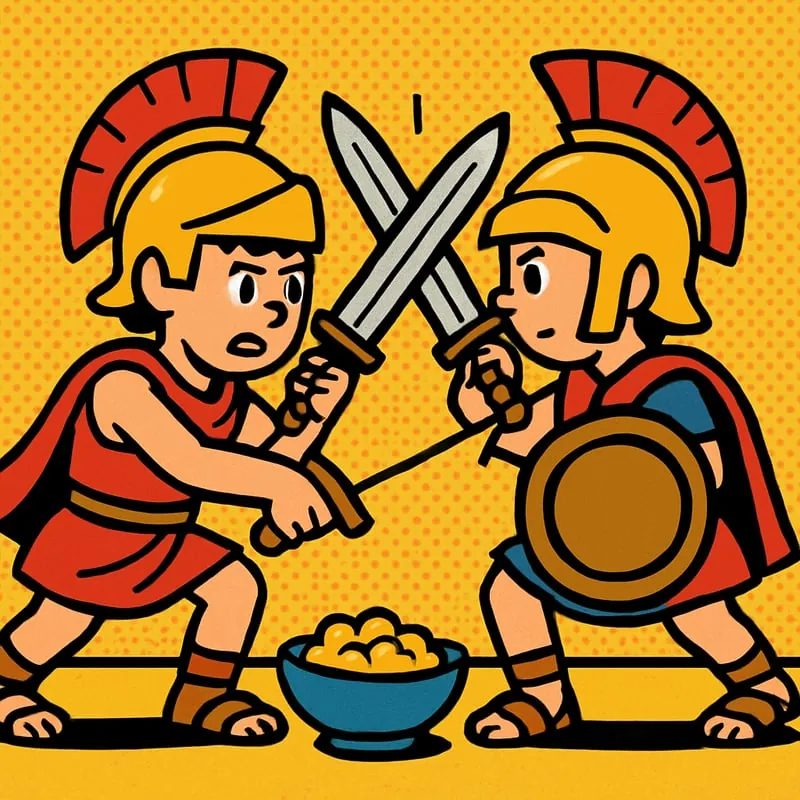
Two young Spartan boys in red tunics clash swords, one holding a shield, while a bowl of golden food sits nearby.
DID YOU KNOW? Spartan boys started warrior training at age seven. They lived in barracks, learned to fight, and were even encouraged to steal food - but never to get caught. 2 min read
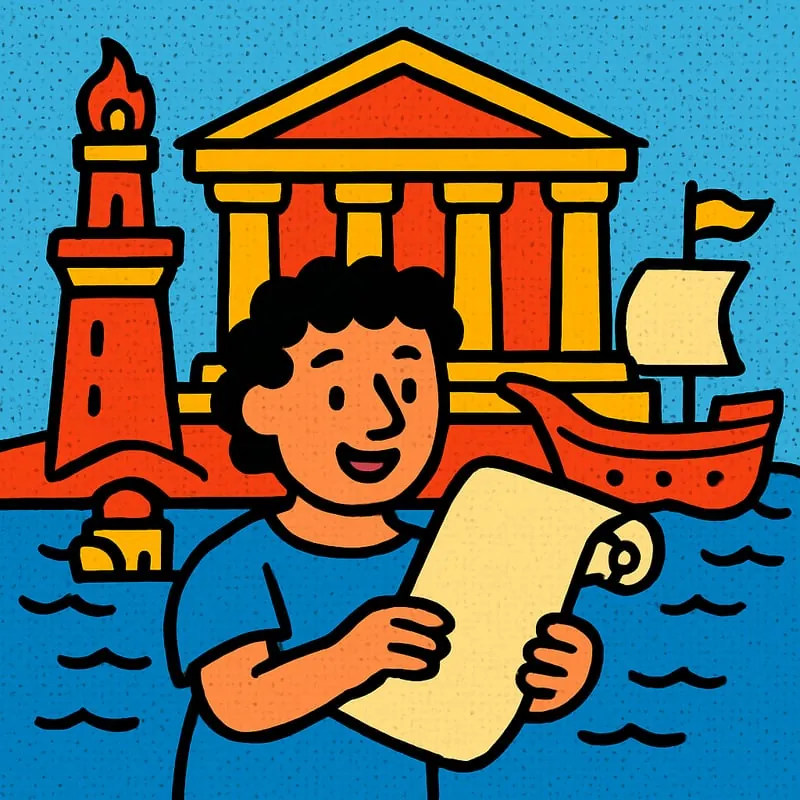
A cheerful boy holds a scroll while a ship sails by, with the grand Library of Alexandria and a lighthouse in the background.
DID YOU KNOW? The Library of Alexandria once held nearly every book in the world. Ships docking in Alexandria had to hand over any books on board so scribes could copy them - sometimes keeping the originals. 2 min read
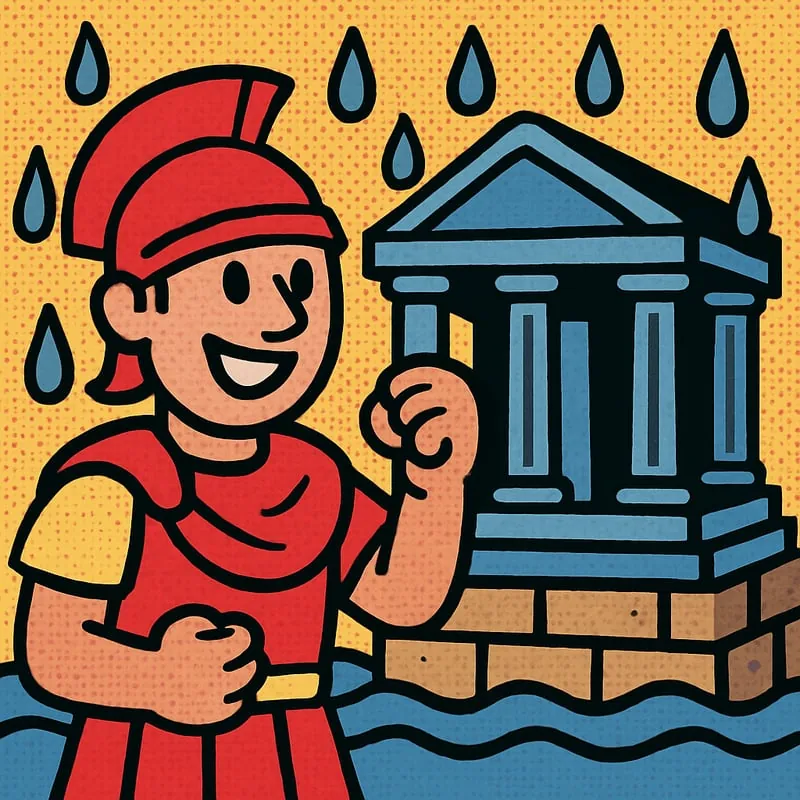
A cheerful Roman soldier in a red tunic stands proudly beside a sturdy ancient temple, raindrops falling around them.
DID YOU KNOW? Roman concrete actually gets stronger every time it gets wet. Modern concrete crumbles after about 100 years. Roman buildings made with seawater concrete have stood for 2,000. 2 min read
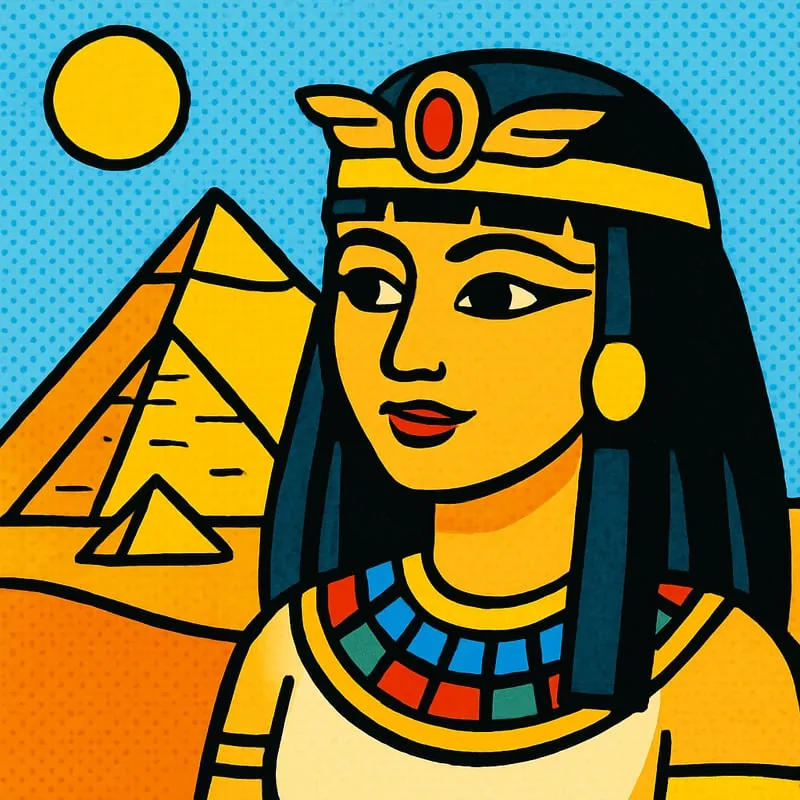
Cleopatra stands confidently in front of the golden pyramids, a bright sun shining in a vibrant blue sky.
DID YOU KNOW? Cleopatra lived closer in time to us than to the building of the pyramids. The pyramids were already over 2,000 years old by the time Cleopatra was born. 2 min read
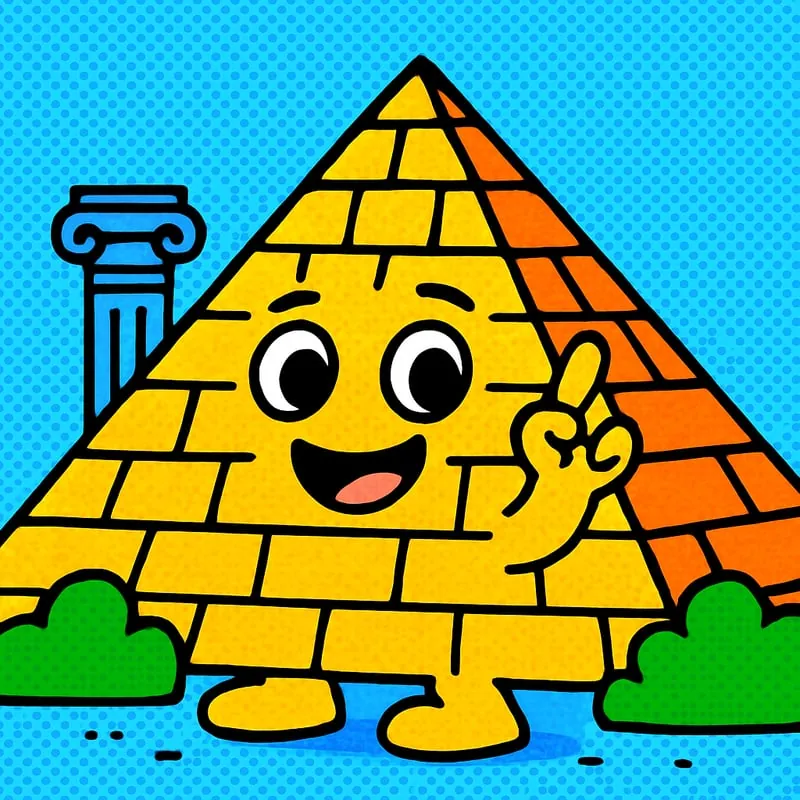
A cheerful yellow pyramid with big eyes and a friendly smile stands amidst green bushes, pointing playfully.
DID YOU KNOW? The Great Pyramid was the tallest building on Earth for 3,800 years. Built around 2560 BCE, it held the world height record until a cathedral in England finally beat it in the 1300s. 2 min read
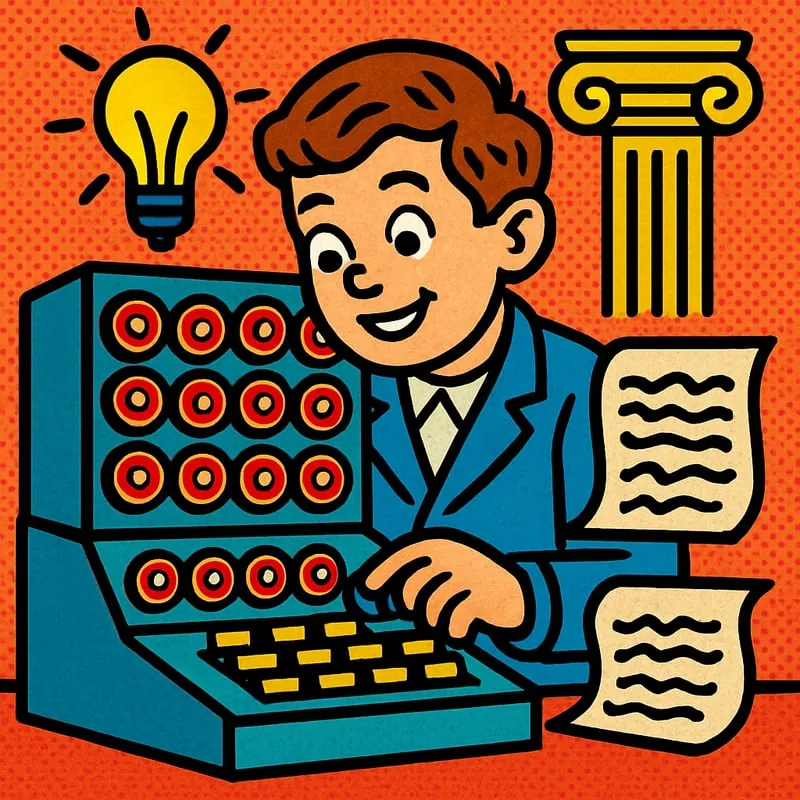
A cheerful boy in a blue suit operates an early computer with glowing buttons, surrounded by lightbulbs and scrolls of…
DID YOU KNOW? WWII codebreakers used early computers to crack secret messages. During WWII, codebreakers helped crack secret messages using early computers. 1 min read
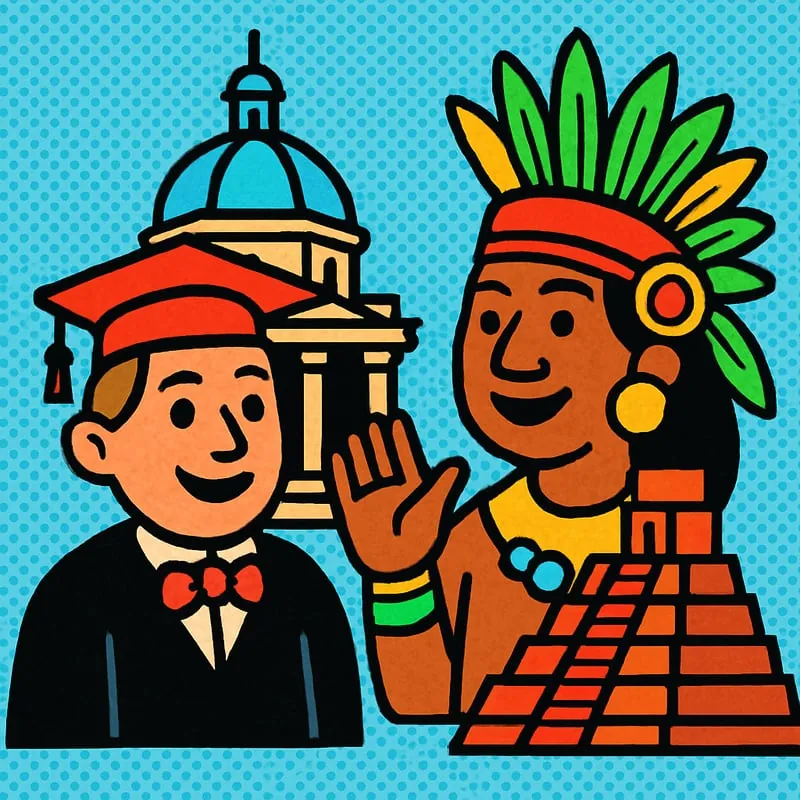
A smiling student in a graduation cap stands beside an Aztec warrior, with Oxford's dome and a pyramid in the background.
DID YOU KNOW? Oxford University is older than the Aztec Empire. Oxford University started teaching in 1096, more than 300 years before the Aztec Empire began in 1428, making it one of the oldest in the world. 1 min read
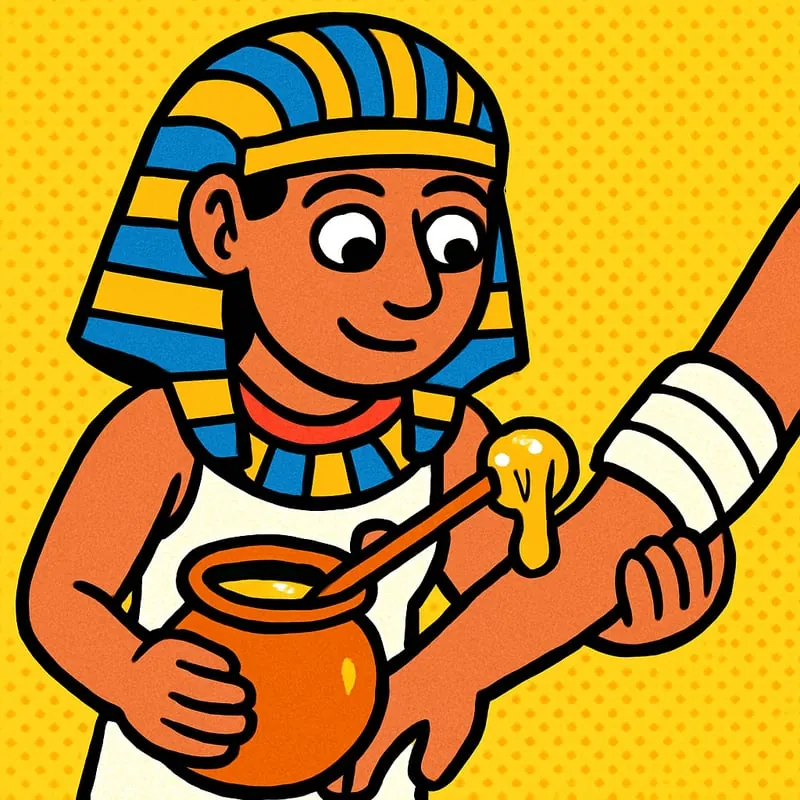
A cheerful ancient Egyptian in a striped headdress drizzles golden honey onto a bandaged arm, surrounded by a bright yellow…
DID YOU KNOW? Ancient Egyptians used honey as a bandage. Honey is naturally antibacterial, so it never spoils. Ancient Egyptians used it on wounds, and today, hospitals still rely on its healing powers. 1 min read

⚡ QUICK-FIRE HISTORY WHOAS

60 bite-sized brain-zappers. Click for another.

WHOA!

Roll the dice for an instant whoa.