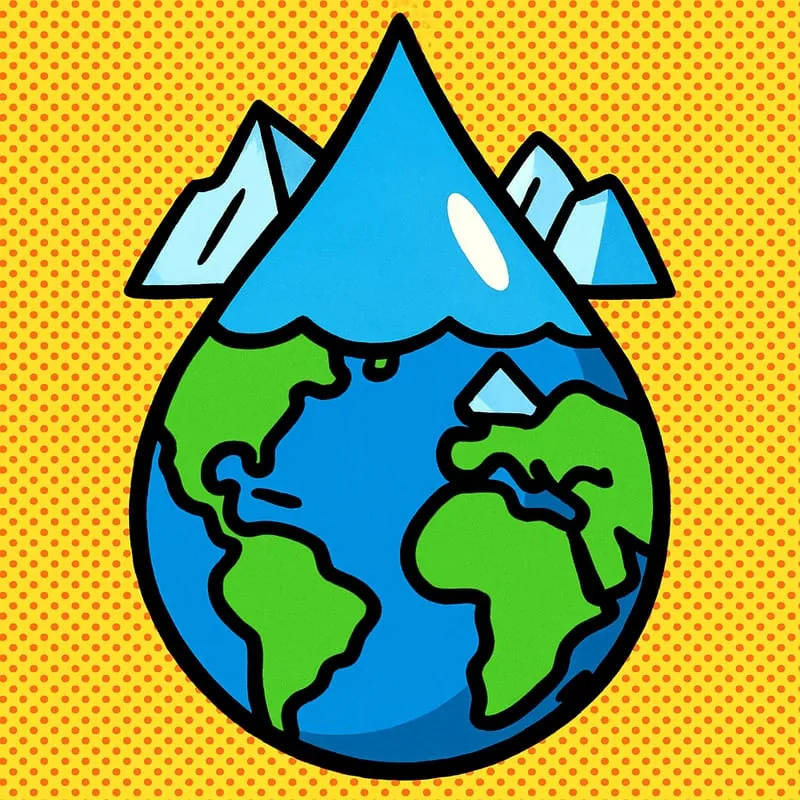
Earth is the “blue planet” for a reason: most of its surface is covered in water. But that water isn’t evenly available. About 97% of all the water on Earth is salty, sitting in the oceans. Only 3% is fresh water - and most of that fresh water isn’t easy to use.
Of the 3% fresh water, about 2/3 is frozen, locked up in glaciers, ice caps (mostly Antarctica and Greenland), and permafrost. Another big chunk is groundwater - water underground in rocks and soil, sometimes deep below the surface where it’s hard to reach. What’s left for rivers, lakes, swamps, and the atmosphere combined is less than 1% of all the water on Earth. The actual fresh, accessible water in surface reservoirs is closer to 0.007% of the planet’s total.
That’s why fresh water is so precious. Almost every human civilization formed along rivers - the Nile, the Tigris and Euphrates, the Yangtze, the Indus - because rivers were the main reliable source of fresh water. Today, water shortages are a growing issue in many parts of the world. The total water on Earth is enormous, but the water we can actually drink and use is a tiny fraction of it.