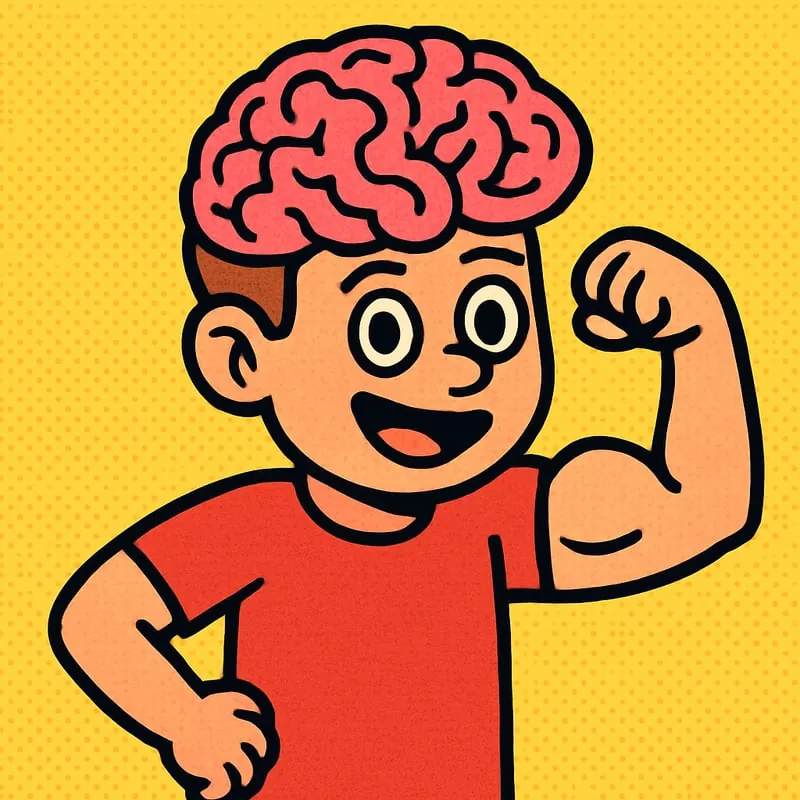
When you can play a piano piece without looking at the keys, ride a bike without thinking about pedaling, or shoot a basketball without aiming consciously, that’s “muscle memory” at work. The name is a little misleading. The memory isn’t really in your muscles - it’s in your brain, in a region called the cerebellum and in parts of your motor cortex that coordinate complex movements.
When you first try a skill, you have to think hard about every move. Your conscious brain is heavily involved. But as you practice, your brain builds a kind of pathway - repeating the same patterns of neuron firings strengthens the connections involved. Over time, the pattern becomes automatic. You don’t have to think about each piece. The “skill program” just runs.
The amazing thing is how persistent these motor programs are. You can stop playing piano for 20 years, sit down at one, and your fingers will still remember pieces you practiced as a kid. The same is true for swimming, riding a bike, throwing a ball. Once your brain has burned in a complex motor skill, it sticks. Some neurological evidence suggests these pathways are among the longest-lasting types of memory in the brain.