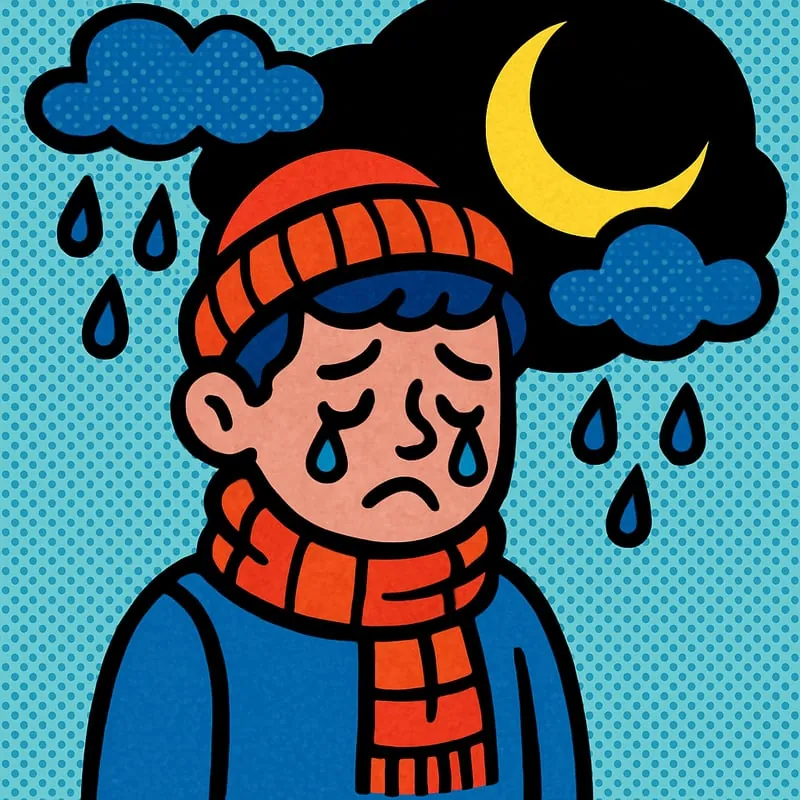
Many people feel a little sad during winter - shorter days, gray skies, less time outside. For some, the change goes much further: they experience real, clinical depression that hits in autumn and lifts in spring, year after year. It’s called Seasonal Affective Disorder (SAD for short), and it’s a recognized medical condition.
SAD is mostly tied to reduced sunlight. When days get shorter, your body’s internal clock can get thrown off, and certain brain chemicals like serotonin drop. Some people are especially sensitive to these shifts, and the result is depression that’s predictably worst in midwinter - exhaustion, low mood, loss of interest, weight gain from carb cravings.
The good news is that there’s a strikingly effective treatment: light therapy. Sitting in front of a special bright light box (about 30 minutes a day, especially in the morning) can dramatically improve symptoms for many people with SAD. It works because the bright artificial light mimics natural sunlight, helping reset the internal clock and lift mood. About 5% of US adults experience SAD severely enough to disrupt their lives. A milder version, sometimes called “winter blues,” is much more common - and reflects how much our biology is still tuned to the changing seasons.