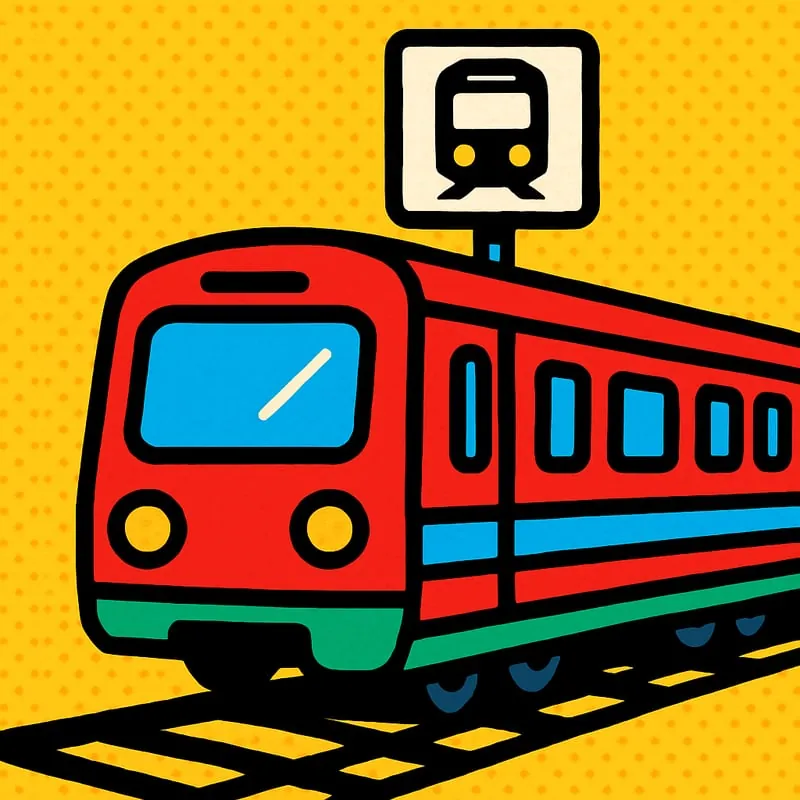
Subway systems are the buried circulatory systems of big cities. Beijing has the longest, with over 500 miles of track snaking under the Chinese capital. New York has the most stations - 472 - many of them open around the clock, which makes its subway one of the only 24-hour transit systems in the world. London’s, the oldest, has been running since 1863.
Tokyo’s subway is the busiest. Together with overlapping commuter rail, the Tokyo network moves close to 9 billion passengers a year - more than the entire population of Earth. The crush at rush hour is so intense that stations employ uniformed staff called “pushers” whose job is literally to shove riders into trains so the doors can close.
Subways are also impressive engineering. Some, like in Moscow, are buried hundreds of feet underground and decorated like palaces with chandeliers and statues. Others, like the deepest stations in Pyongyang and Kyiv, double as nuclear bomb shelters. The newest systems are run by computers, with no human drivers on the trains at all.