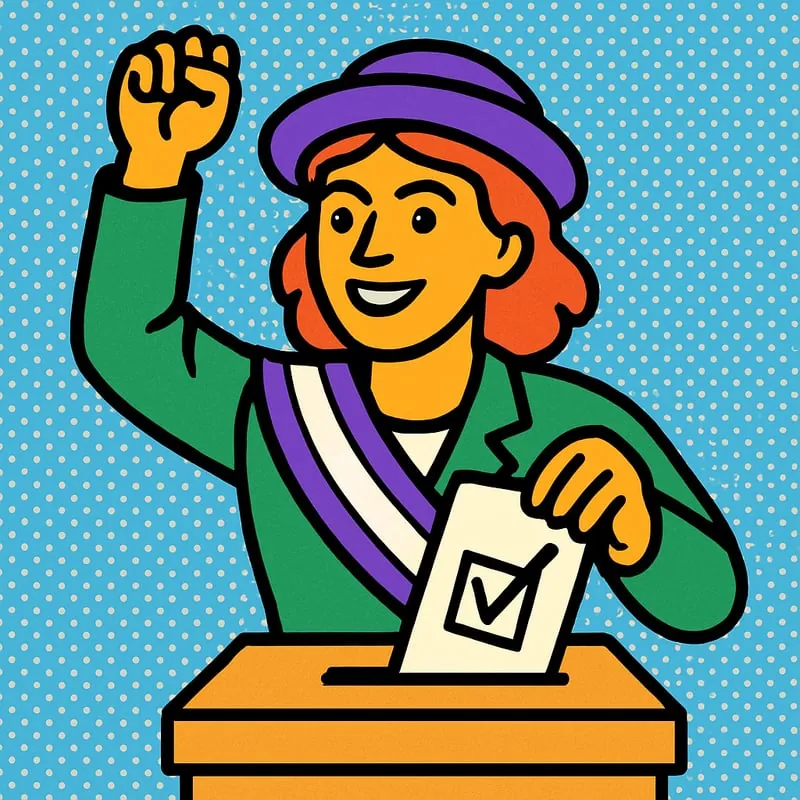
For most of human history, women in nearly every country couldn’t vote. Starting in the mid-1800s, women in places like the United States and Britain began organizing to change that. They called themselves suffragists or suffragettes, from “suffrage,” meaning the right to vote.
They didn’t just ask politely. They held huge marches, gave speeches, published newspapers, chained themselves to railings, smashed windows and went on hunger strikes in jail. New Zealand became the first country to let women vote in national elections in 1893. Australia followed in 1902. The United States passed the 19th Amendment giving women the vote in 1920.
The fight took different lengths of time in different countries. Britain only gave women the full equal vote in 1928. Switzerland waited until 1971. Some countries still don’t allow it today. But thanks to those long, brave campaigns, billions of women around the world now help choose their leaders.