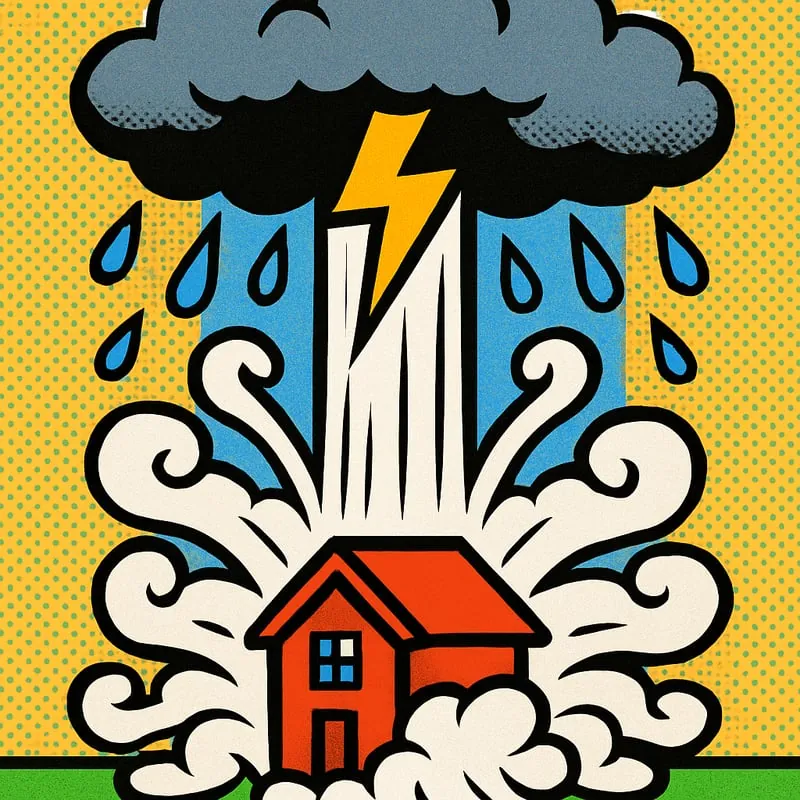
A tornado is a rotating column of air, twisting down from a thunderstorm to the ground. They’re the most concentrated and destructive winds on Earth. The strongest tornadoes - rated EF5 on the Enhanced Fujita scale - can have winds over 300 miles per hour.
For comparison, hurricane winds top out at about 200 mph. A Formula 1 race car at top speed hits around 230 mph. A tornado’s worst-case winds can outpace either. They can lift cars, hurl debris through brick walls, and uproot trees three feet thick.
Most tornadoes form in the central United States, in a region called “Tornado Alley” running from Texas up through Nebraska and Iowa. The conditions are unique: warm humid air from the Gulf of Mexico collides with cool dry air from Canada, creating powerful rotating storms. Every spring and early summer, hundreds of tornadoes touch down - though most are far weaker than EF5. The strongest ones thankfully are rare; in the U.S., only a handful of EF5 tornadoes occur per decade.