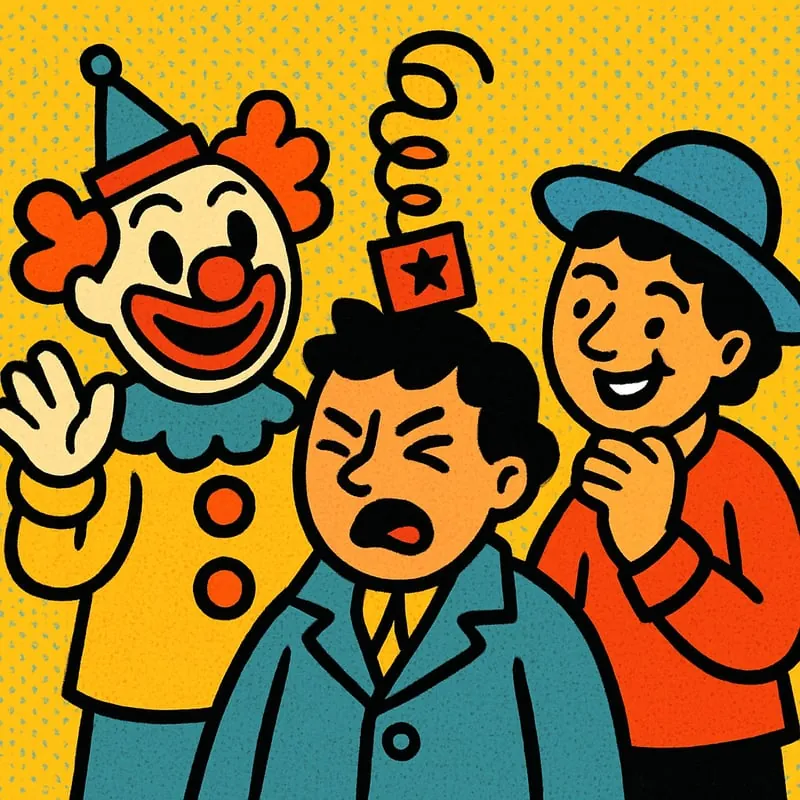
By April 1, 1700, English pranksters were having the time of their lives. Tricks like sending people on 'fool's errands' to fetch silly objects had spread across the country, and the day became a nationwide game of gotcha. Folks pinned paper fish to each other's backs, sent friends to buy pigeon's milk, and gave wrong directions just to watch the chaos unfold.
Nobody knows exactly where April Fools' Day began, but historians think it grew out of the switch from the old Julian calendar to the new Gregorian one. People who forgot - or refused - to celebrate the new year in January instead of April were called 'April fools.' By the 1700s, the joking tradition had hopped across Europe, with each country adding its own twist. In Scotland the prank lasted two whole days, and in France people stuck paper fish on each other and called it 'poisson d'avril.'
The tradition still thrives. Newspapers print fake stories, companies announce impossible products, and Google has launched dozens of made-up gadgets just for the day. The rule is simple: pranks have to stop by noon, or the joke is on you. April 1 reminds the world that laughing at ourselves is one of the oldest, most human things we do.