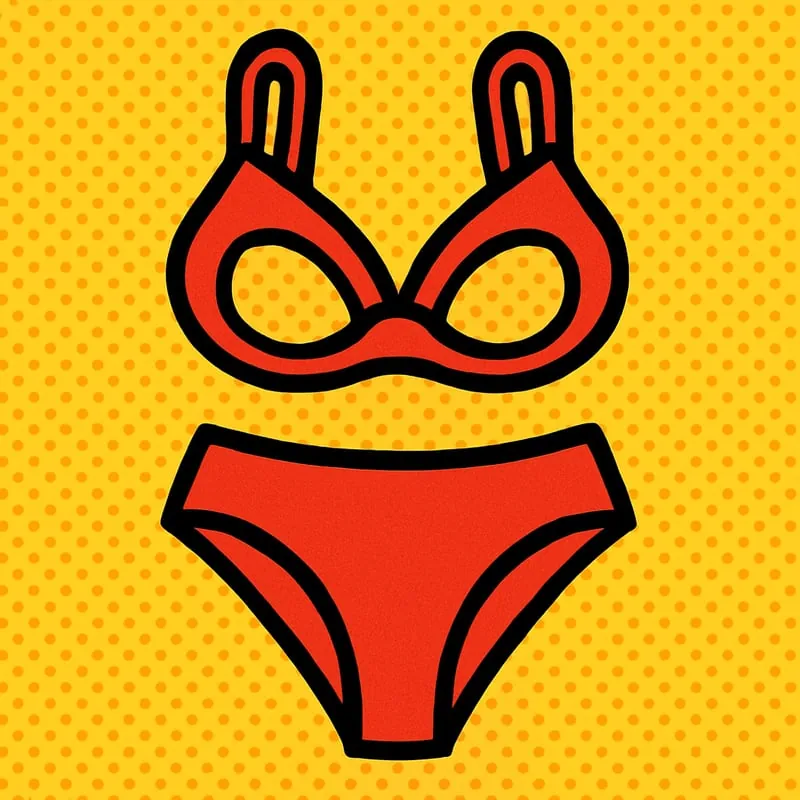
On July 5, 1946, at a glittering swimming pool in Paris called Piscine Molitor, a French fashion designer named Louis Réard unveiled a tiny new swimsuit and turned the world of fashion upside down. The suit was made of just 30 square inches of fabric printed with newspaper headlines, and Réard called it the bikini - named after Bikini Atoll, the Pacific island where the United States had just tested an atomic bomb four days earlier. He hoped his swimsuit would cause an explosion of attention too, and boy did it.
There was just one problem: no model in Paris would wear it. The two-piece was so daring that fashion houses turned Réard down flat. He finally hired a 19-year-old nightclub dancer named Micheline Bernardini, who strutted around the pool holding a small matchbox to prove the swimsuit could fit inside it. The crowd gasped, photographers snapped, and within days Micheline received around 50,000 fan letters from around the world.
The bikini was banned in Spain, Italy, Belgium, and Australia at first, and it took nearly two decades to catch on. By the 1960s, movie stars like Brigitte Bardot and Ursula Andress were wearing them on screen, and the bikini became one of the most famous fashion items ever made. Today, bikinis are sold by the millions every summer for beaches and pools worldwide. One small swimsuit shook up ideas about fashion, freedom, and what people could wear in public - all from a single afternoon by a Paris pool.