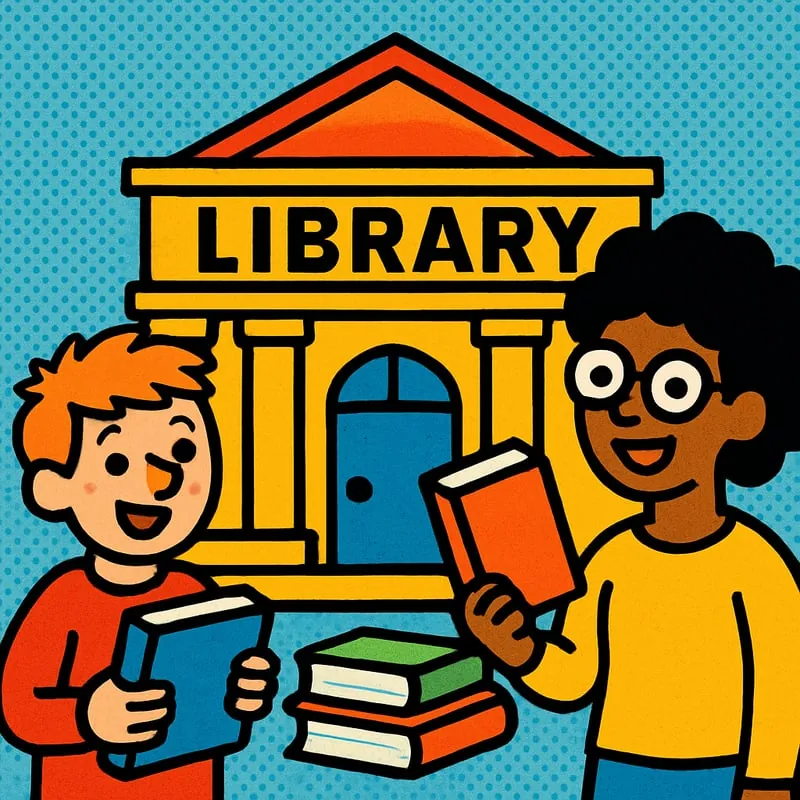
On April 9, 1833, the small town of Peterborough, New Hampshire - population about 2,000 - opened the doors of America's first free public library. Anyone in town could walk in and borrow a book without paying a cent. The collection started with about 100 books, kept on shelves inside the local general store. There were no library cards, no librarians in fancy buildings - just a community deciding that knowledge should be free.
Before Peterborough, libraries existed but they cost money. You had to pay a subscription fee to use them, which meant only wealthy people could read widely. The Reverend Abiel Abbot pushed Peterborough's town meeting to use state money - originally meant for a college that never got built - to buy books that everyone could share. The town agreed, and a quiet revolution began.
The idea caught fire. Other towns copied Peterborough, and by the late 1800s, free public libraries had spread across the United States. Steel tycoon Andrew Carnegie eventually funded over 2,500 of them. Today the U.S. has more than 17,000 public libraries lending books, hosting story time, offering free Wi-Fi, and helping people find jobs. It all traces back to one tiny town that decided a story was too important to lock behind a price tag.