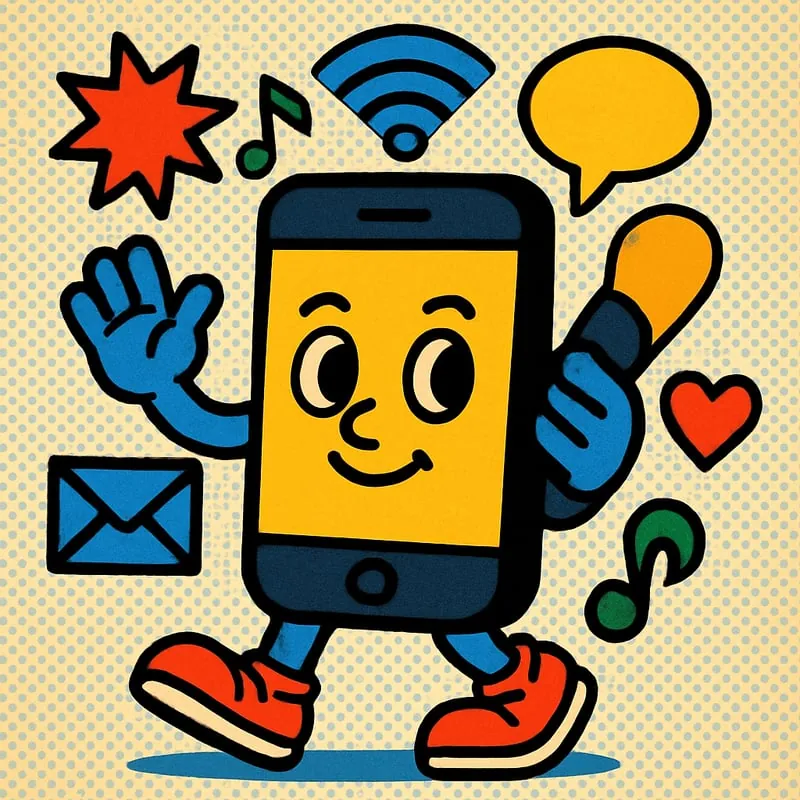
On 9 January 2007, a man in jeans and a black turtleneck walked onto a stage in San Francisco and said he had three new products to show - a widescreen iPod, a phone, and an internet device. The crowd cheered politely. Then Steve Jobs grinned and said, 'These are not three separate devices. This is one device.' He held up a small black-and-silver rectangle. It was the iPhone.
Before that morning, most mobile phones had tiny plastic keypads and screens the size of a sticky note. To go online you usually had to open a laptop. The iPhone scrapped the buttons entirely. You tapped a glass screen with your fingers. You pinched to zoom photos. You scrolled with a flick. Apple had been working on it in secret for nearly five years, in a locked lab where engineers were not even allowed to tell their families what they were building. Jobs spent hours rehearsing the demo because the prototype kept crashing.
The first iPhone went on sale that June for 499 dollars. Within ten years Apple had sold over a billion of them. The App Store, launched in 2008, turned phones into cameras, maps, music players, video studios, game consoles, and bedside flashlights all at once. Almost every smartphone you see today - Samsung, Pixel, anything - copies ideas from that 2007 demo. The way people text friends, watch videos, hail taxis, and even pay for snacks all changed because of one black rectangle and one quiet 'one more thing.'