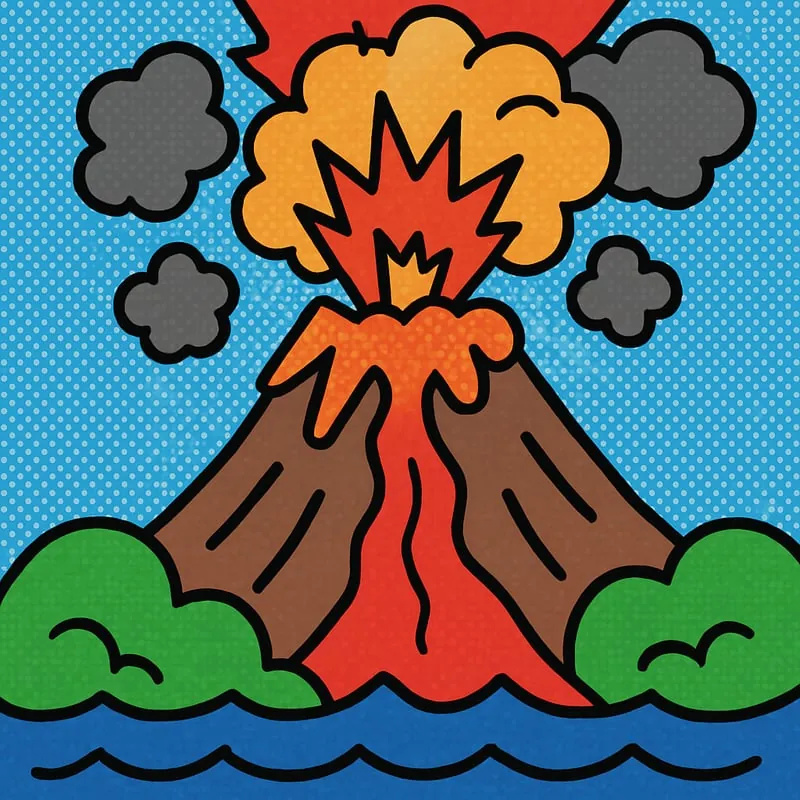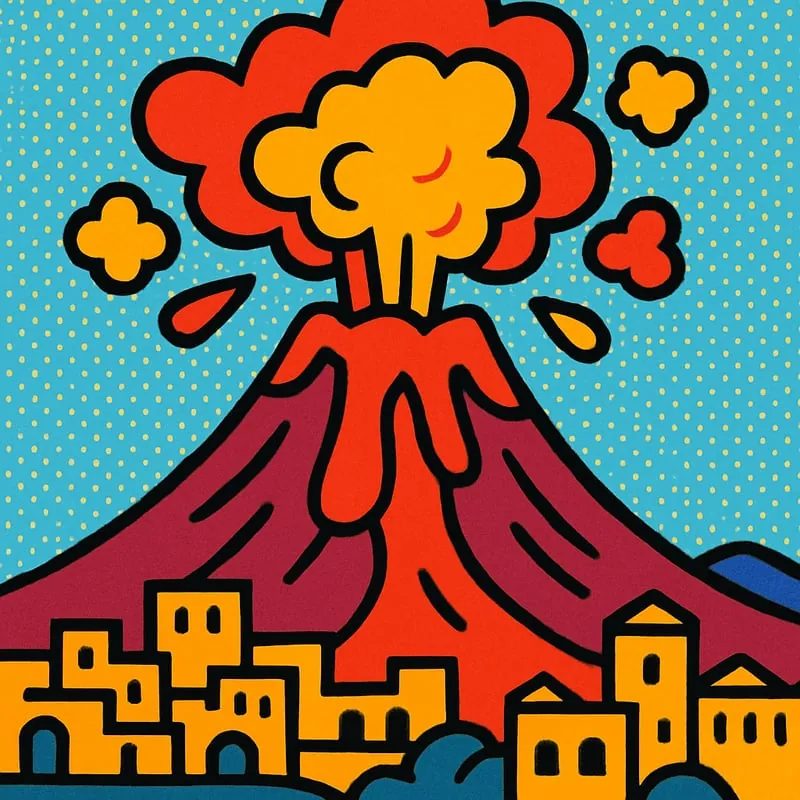
On the morning of August 24 in the year 79 AD, the people of the bustling Roman city of Pompeii looked up and saw something terrifying: a giant cloud shaped like a pine tree rising from the mountain in the distance. That mountain was Mount Vesuvius, and it had been quiet for so long that most Pompeiians didn't even know it was a volcano. By the end of the next day, two thriving Roman cities and thousands of people would be sealed in time beneath layers of ash.
A Roman writer named Pliny the Younger watched the eruption from across the Bay of Naples and wrote down everything he saw, which is how historians know the date and many details. He described a sky black as midnight at noon, hot ash raining for two days, and earthquakes shaking the ground. His uncle, Pliny the Elder, sailed toward the disaster to rescue people and never came back. The cities of Pompeii and nearby Herculaneum were buried under up to 20 feet of volcanic material.
The ash actually preserved Pompeii like a time capsule. When archaeologists started carefully digging in the 1700s, they found bakeries with bread still in the ovens, paintings on walls, scribbled graffiti, even loaves of carbonized bread. Today over 2.5 million visitors a year wander the ancient streets, peeking into Roman homes that haven't changed since that long-ago August. Mount Vesuvius is still there, towering over the modern city of Naples, quiet for now but never truly asleep.