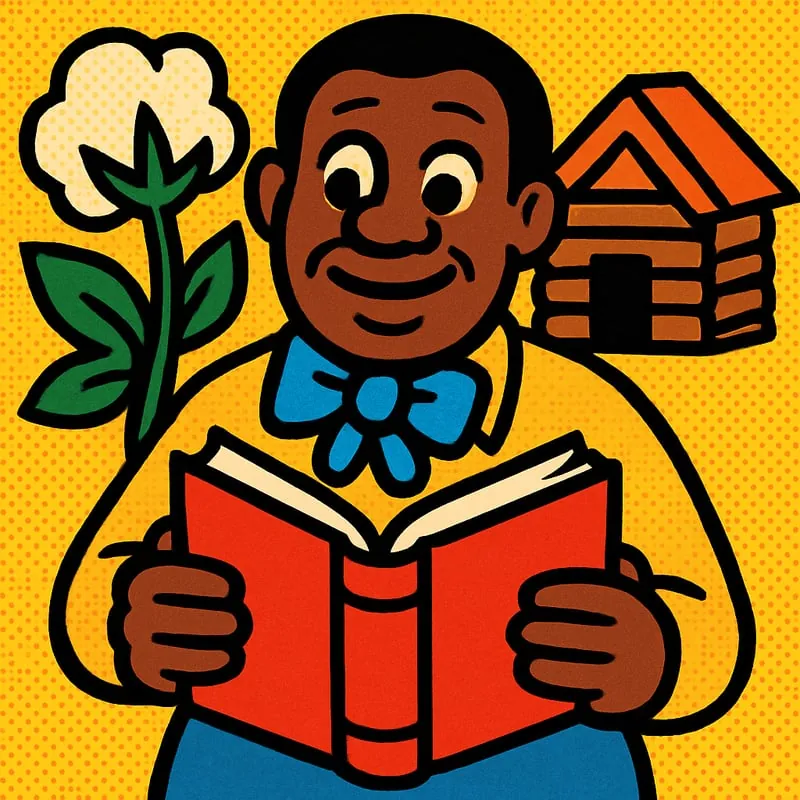
On March 20, 1852, a slim novel by a New England mother of seven named Harriet Beecher Stowe was published in book form and instantly changed the conversation about slavery in America. Uncle Tom's Cabin had already appeared as a weekly serial in an anti-slavery newspaper, where readers had been gobbling up each new chapter for almost a year. The full book sold 10,000 copies in its first week and 300,000 in its first year - gigantic numbers for the 1850s, when books were expensive and many people couldn't read.
Harriet had been horrified by the Fugitive Slave Act of 1850, which forced people in free Northern states to help capture escaped enslaved people. She channeled her anger into a story about Tom, an enslaved man sold away from his family, and Eliza, a mother who escapes across an icy river with her baby in her arms. Stowe gathered real stories from formerly enslaved people, including Josiah Henson, whose autobiography helped inspire Tom's character.
The book was banned in much of the South and devoured in the North. It was translated into more than 60 languages and turned into plays performed across Europe. When President Abraham Lincoln finally met Harriet Beecher Stowe during the Civil War, he reportedly said, "So you're the little woman who wrote the book that started this great war." Whether or not he actually said it, the line captures something true: Uncle Tom's Cabin didn't just describe injustice. It made millions of people feel it, and feelings have a way of changing history.