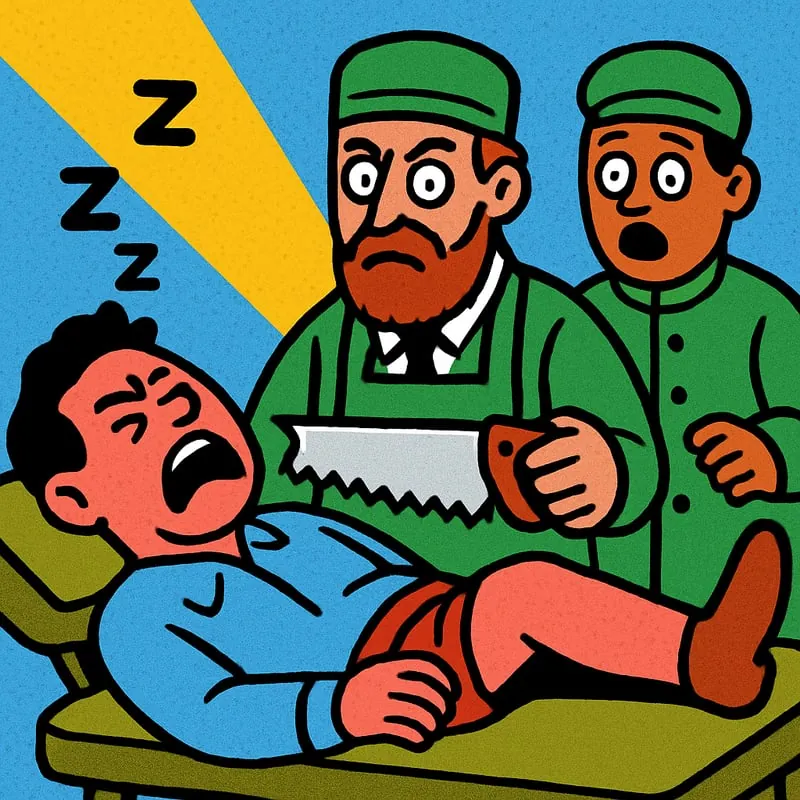
In the early 1800s, surgery was a horror show. There was no anesthesia. Patients were wide awake - sometimes held down by burly assistants - while surgeons sawed through bone. The most famous surgeon in Britain, Robert Liston, was nicknamed “the fastest knife in the West End.” He could remove a leg in less than 30 seconds. Speed wasn’t bragging. It was mercy.
Then in October 1846, an American dentist named William Morton brought a glass flask of ether gas into Massachusetts General Hospital in Boston. He had a young patient breathe the fumes until he was unconscious, then a surgeon removed a tumor from his neck. The patient woke up and said he had felt nothing at all.
That single demonstration changed medicine overnight. Surgeons could now take their time, doing careful, complicated operations that simply couldn’t be done on a screaming patient. The lecture hall where it happened is still part of the hospital today, and it’s still called the Ether Dome.