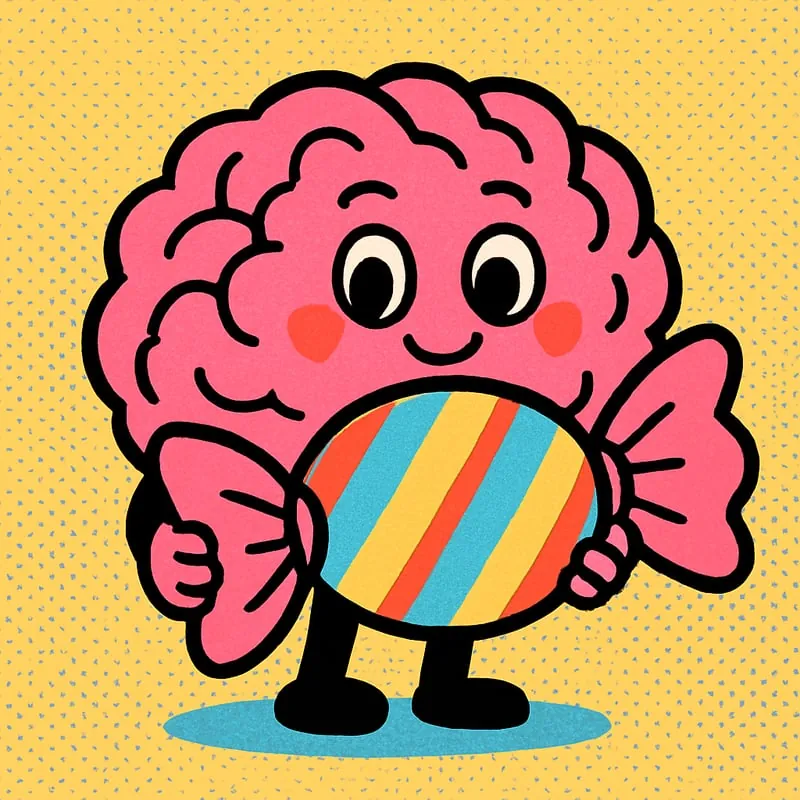
Most of your body is metabolically flexible. Muscles can burn fat. The liver can convert proteins into energy. Even your heart will happily use whatever fuel is around. The brain is the exception. Under normal conditions, it runs almost exclusively on glucose - a simple sugar - and it uses a lot of it.
The brain burns through about 120 grams of glucose every day, which is around 60% of your body’s total glucose consumption at rest. If your blood sugar drops too low, your brain notices fast: thinking slows, you feel shaky, you get irritable, and you can even pass out.
There’s one backup fuel. During extended fasting or very low-carb diets, your liver starts making ketones - energy molecules made from fat - and the brain can use these instead. It’s a fallback, not a preference. Whenever glucose is available, your brain prefers it. That’s why long stretches without food can make schoolwork suddenly feel impossible.