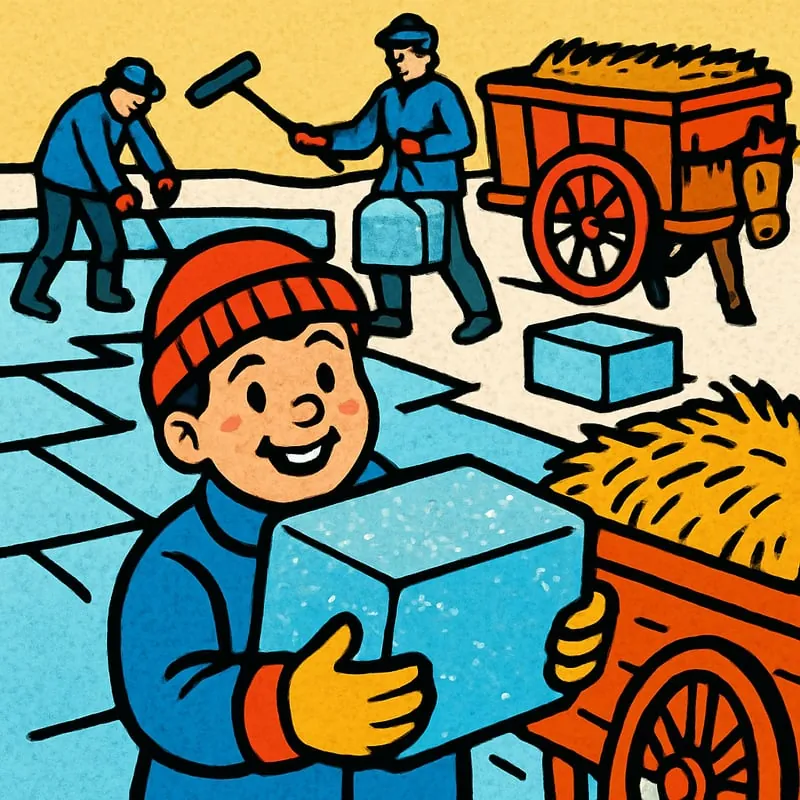
For most of human history, keeping food cold was a serious problem. In the 1800s a huge industry grew up around cutting blocks of ice out of frozen lakes in places like New England, packing them in straw and sawdust, and shipping them by boat and train. Homes had an “ice box” - basically a wooden cabinet with a chunk of ice inside.
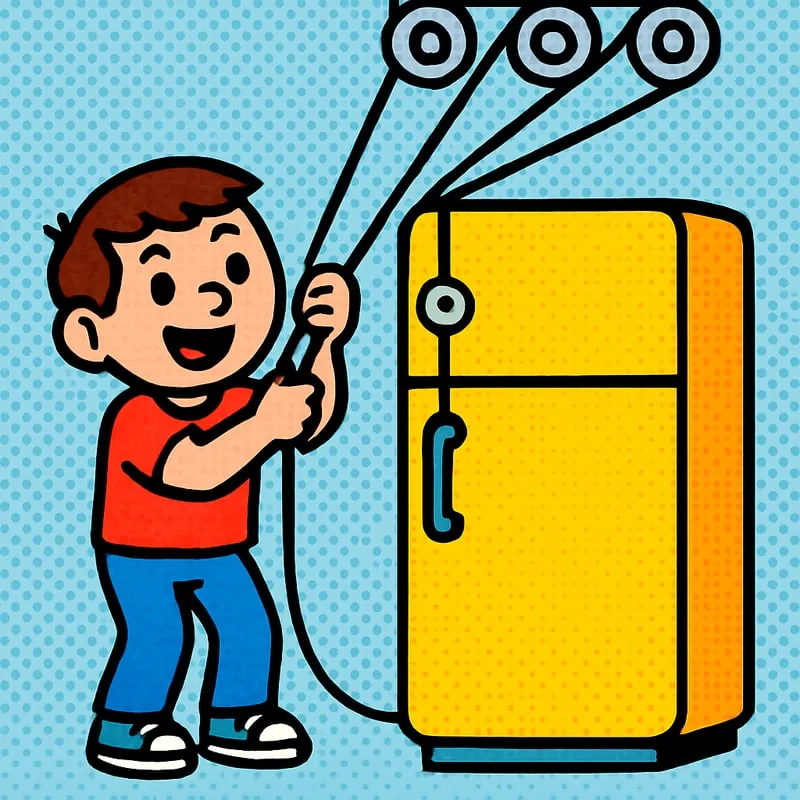
The first mechanical refrigerators used a clever trick called the vapor-compression cycle. A liquid is squeezed by a pump, gets cold when it expands again, and pulls heat out of the air inside the fridge. Engineers had figured this out by the late 1800s, but the machines were huge, dangerous and used poison gases.
Safe home fridges arrived in the 1920s and slowly took over. They cost as much as a small car at first, but they meant families could keep milk for a week, save leftovers and freeze food. The way we shop, cook and eat changed completely.