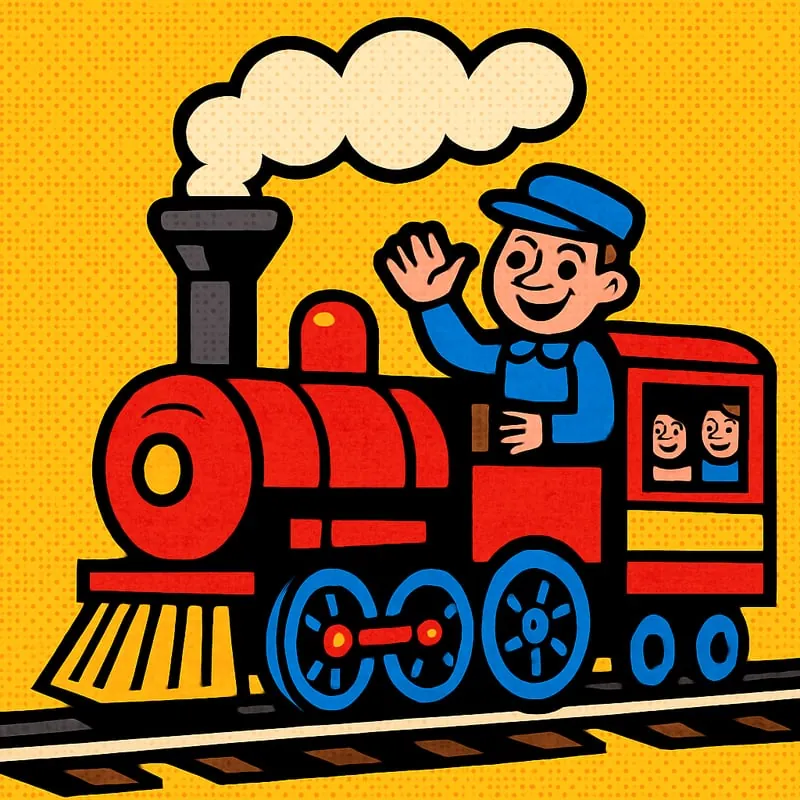
In September 1825, engineer George Stephenson drove a steam locomotive called Locomotion No. 1 along a new railway in northeast England, pulling wagons with about 450 passengers. It topped out around 15 mph - faster than most people had ever traveled in their lives. The Stockton and Darlington Railway became the first public railway to use steam locomotives for passenger trains.
Steam engines work by burning coal to boil water, producing high-pressure steam that pushes pistons connected to the wheels. Stephenson’s later locomotive, the Rocket, hit nearly 30 mph in 1829 - a speed that genuinely scared people. Doctors of the era warned that human bodies couldn’t survive traveling so fast, and that passengers would suffocate or melt.
They didn’t, of course. By the late 1800s, railways crisscrossed continents, hauling people, mail, and cargo at speeds steam pioneers could only dream of. Diesel and electric trains eventually replaced steam in most countries by the mid-20th century, but you can still ride preserved steam trains today on heritage railways.